
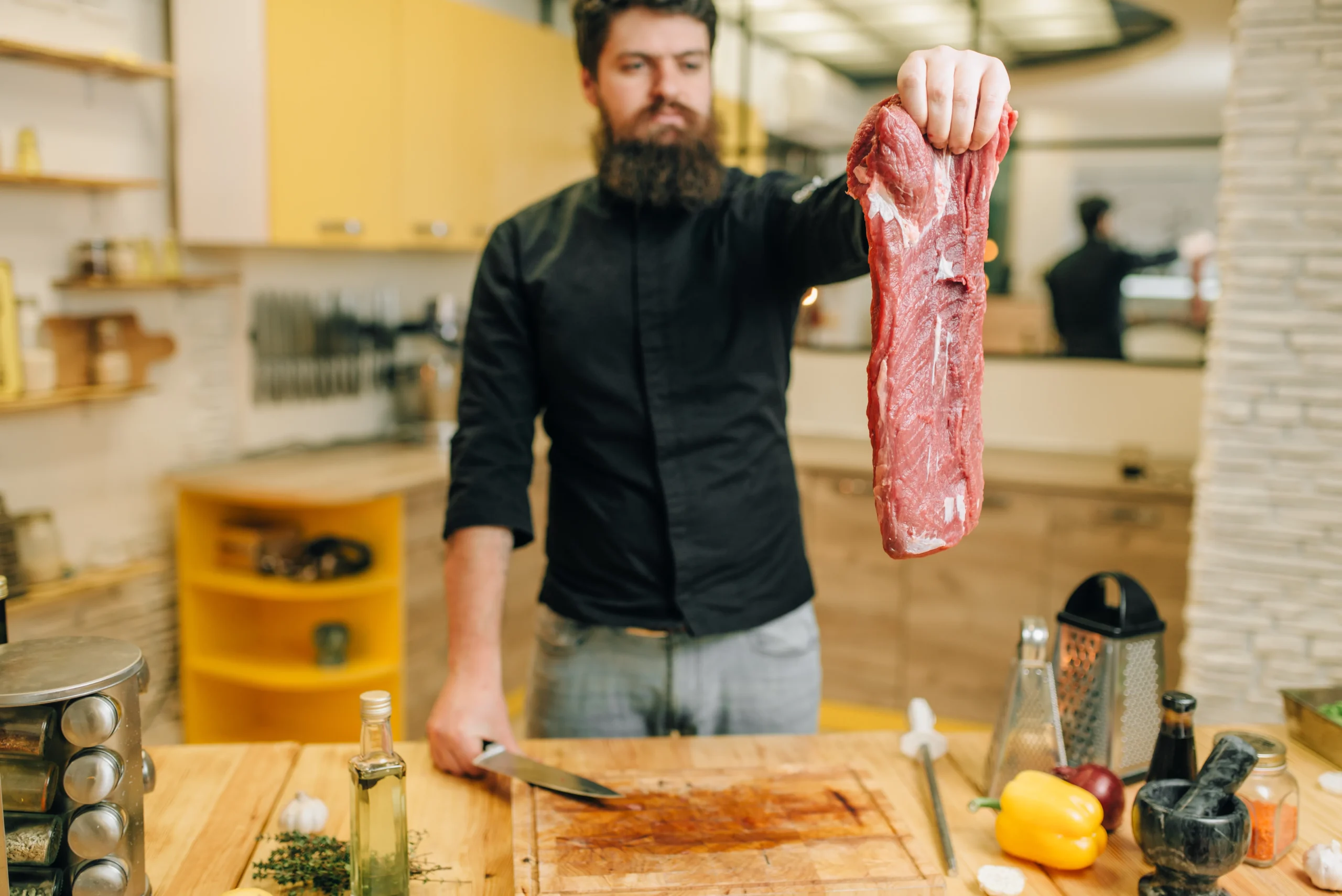
Why Your Flank Steak Hasn’t Been Turning Out the Way You Want
Tender Flank Steak
You’ve probably been there before—standing in your kitchen, excited about dinner, only to slice into your flank steak and realize it’s tougher than you expected. The flavor might be fine, but the texture? Chewy. Dry. A little disappointing.
Here’s the truth you need to hear: it’s not your fault.
Flank steak is one of those cuts that looks simple but behaves differently from more forgiving cuts like ribeye or filet. If you treat it like a regular steak, it will push back. But once you understand how it works, you can turn it into something unbelievably tender, juicy, and restaurant-worthy.
This guide is going to show you exactly how to master tender flank steak at home—without fancy tools or complicated steps. Just real techniques that actually work.
What Makes Flank Steak Tough or Tender? (The Truth Behind the Texture)
If you want to cook a perfect tender flank steak, you need to understand what you’re working with first.
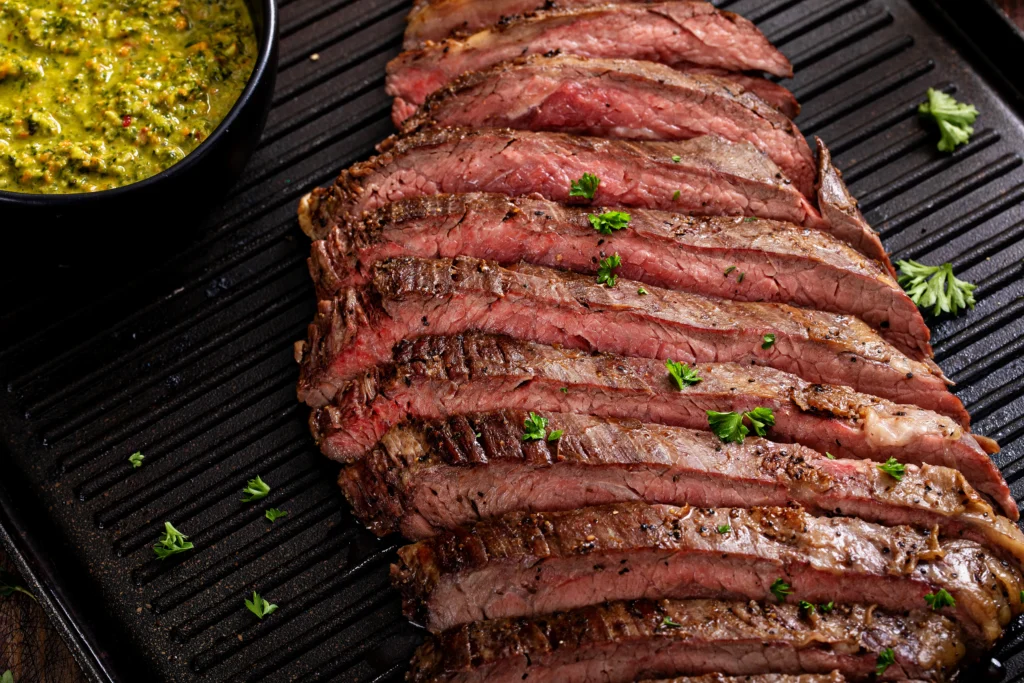
Flank steak comes from the abdominal area of the cow. That means it’s naturally lean and packed with long muscle fibers that do a lot of work during the animal’s life.
Why it turns tough easily:
- Long, tight muscle fibers
- Very low fat content
- Overcooking dries it out quickly
- Cutting it incorrectly ruins the texture
Think of it like a bundle of tightly packed strings. If you cook it wrong, those strings tighten up even more. But if you handle it right, they relax and become easy to chew.
Key takeaway:
Tenderness isn’t about luck—it’s about controlling heat, time, and cutting technique.
The Secret Behind Tender Flank Steak Starts With Marination
If there’s one step you should never skip, it’s this one.
A good marinade doesn’t just add flavor—it actively changes the texture of the meat.
When you combine acid, oil, salt, and aromatics, something powerful happens: the muscle fibers begin to loosen.
The Science of a Great Marinade
You don’t need to be a chef to understand this:
- Acid (lemon juice, vinegar): gently breaks down tough fibers
- Salt (soy sauce, kosher salt): helps the meat retain moisture
- Oil (olive oil): locks in juiciness during cooking
- Sugar (honey or brown sugar): balances flavor and promotes caramelization
- Garlic & spices: build depth and aroma
Best Marinade for Tender Flank Steak
Here’s a simple formula you can rely on every time:
| Ingredient | Purpose |
|---|---|
| Soy sauce | Salt + umami tenderizing |
| Olive oil | Moisture protection |
| Lemon juice | Fiber breakdown |
| Garlic | Flavor depth |
| Honey | Balances acidity |
| Black pepper | Heat and aroma |
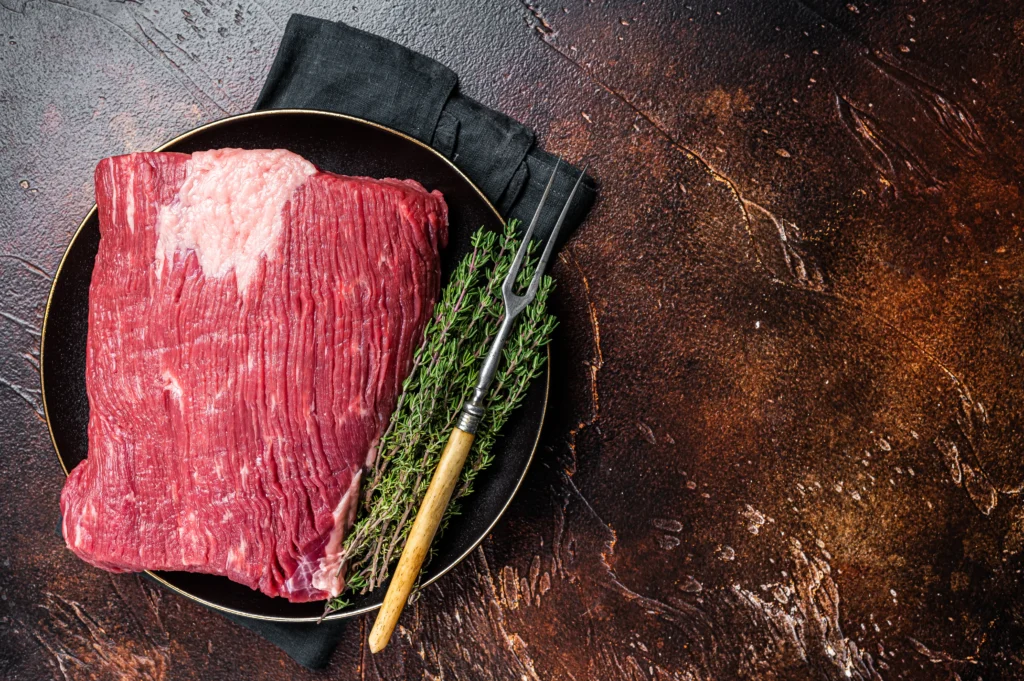
Pro tip you shouldn’t skip:
Let your steak sit in the marinade for at least 2 hours, but if you really want that melt-in-your-mouth texture, give it 8–12 hours in the fridge.
Cooking Methods That Guarantee Tender Flank Steak
Now comes the part where most people go wrong—they overcook it or use the wrong heat.
Flank steak loves high heat and short cooking time. Think fast, not slow.
Grilling (Best Flavor Option)
If you want smoky, bold flavor, grilling is your best friend.
Steps:
- Preheat grill until very hot
- Remove steak from marinade and pat slightly dry
- Cook 3–5 minutes per side
- Don’t move it too much
- Let it rest after cooking
You’re looking for a nice sear outside while keeping the inside juicy.
Cast Iron Pan (Best Indoor Method)
If you’re cooking inside, this is your strongest option.
Steps:
- Heat cast iron pan until smoking hot
- Add a small amount of oil
- Sear steak 3–4 minutes per side
- Avoid overcrowding the pan
- Let it rest before slicing
The pan locks in heat better than most cookware, which gives you that restaurant-style crust.
Oven Broiling (Fast and Reliable)
When you need speed and consistency, broiling works well.
Steps:
- Set oven to high broil
- Place steak on a rack or tray
- Cook 4–6 minutes per side
- Watch closely to avoid overcooking
The Most Important Step: How You Slice Your Flank Steak
This is where everything either comes together—or falls apart.
Even if you cook your steak perfectly, slicing it wrong will ruin the texture.
Always Slice Against the Grain
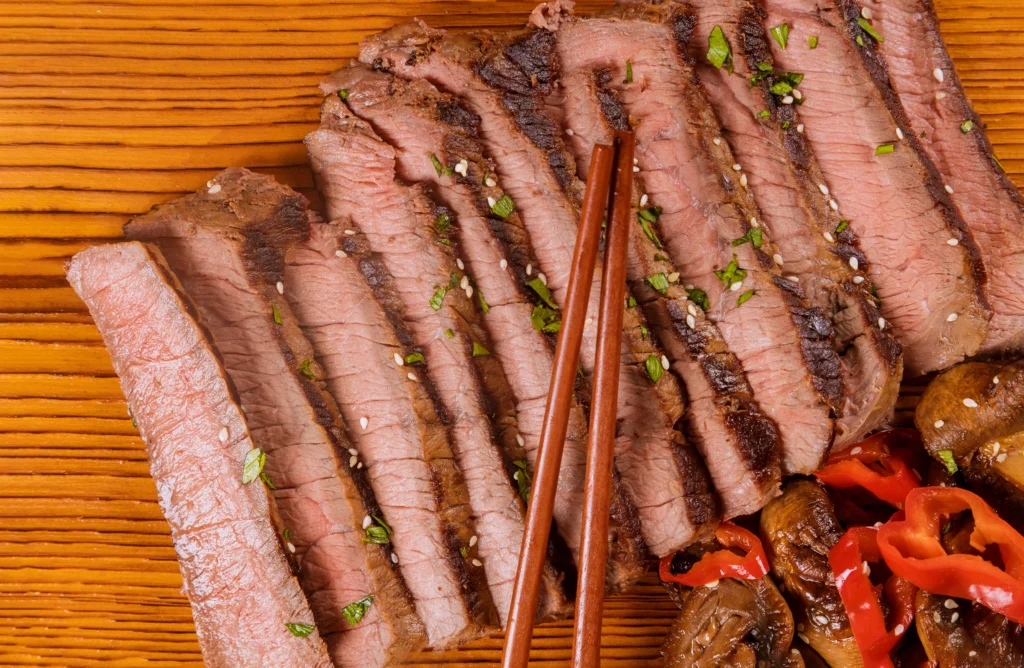
The “grain” refers to the direction of the muscle fibers. You want to cut across them, not along them.
Why it matters:
- Shortens muscle fibers
- Makes chewing easier
- Creates a softer bite
Slicing Technique Tips
- Let the steak rest 5–10 minutes
- Use a sharp knife
- Slice thinly at a slight angle
- Never rush this step
Think of it as unlocking tenderness after cooking.
Complete Tender Flank Steak Recipe (Step-by-Step Guide)
Now let’s put everything together.
Ingredients
| Ingredient | Quantity |
|---|---|
| Flank steak | 1–1.5 lbs |
| Soy sauce | ¼ cup |
| Olive oil | 2 tbsp |
| Lemon juice | 2 tbsp |
| Garlic (minced) | 3 cloves |
| Honey | 1 tbsp |
| Black pepper | 1 tsp |
Instructions
- Mix all marinade ingredients in a bowl
- Place steak in a sealed bag or dish
- Refrigerate for 2–12 hours
- Heat grill or skillet to high heat
- Cook steak 3–5 minutes per side
- Remove and rest for 10 minutes
- Slice thinly against the grain
- Serve immediately
Pro Tips for Ultra Tender Flank Steak
If you want next-level results, these small details make a big difference:
Do this:
- Always cook over high heat
- Always rest before slicing
- Always slice thin
Avoid this:
- Overcooking (even by 2 minutes matters)
- Skipping marinade
- Cutting too thick
Extra upgrade tips:
- Add butter at the end for richness
- Use a meat thermometer for precision
- Try a quick garlic butter finish
Common Mistakes That Ruin Tender Flank Steak
Even experienced home cooks make these mistakes:
- Cooking too long → dries out instantly
- No marinade → tough texture
- Slicing with the grain → chewy result
- Not resting meat → juices escape
Fix these, and your results improve immediately.
FAQ – Tender Flank Steak Recipe
How do I make tender flank steak every time?
You need three things: marinade, high heat cooking, and slicing against the grain.
How long should I marinate flank steak?
At least 2 hours, but 8–12 hours gives the best tenderness.
Can flank steak become too tender?
Yes, if you over-marinate with strong acid for too long, it can become mushy.
What’s the best doneness for flank steak?
Medium-rare to medium (130–140°F) keeps it juicy and tender.
You Now Control the Outcome of Your Flank Steak
Once you understand how flank steak behaves, everything changes. You’re no longer guessing—you’re cooking with intention.
The real secret to tender flank steak isn’t a single trick. It’s a combination of smart steps: a balanced marinade, fast high-heat cooking, and precise slicing.
When you bring those together, you turn an inexpensive cut into something that feels premium every single time.
Now it’s your turn—try it once, and you’ll never look at flank steak the same way again.
Table of Contents
Game Day Favorite: Easy Rotel Dip Recipe Everyone Loves – labelrecipes.com