
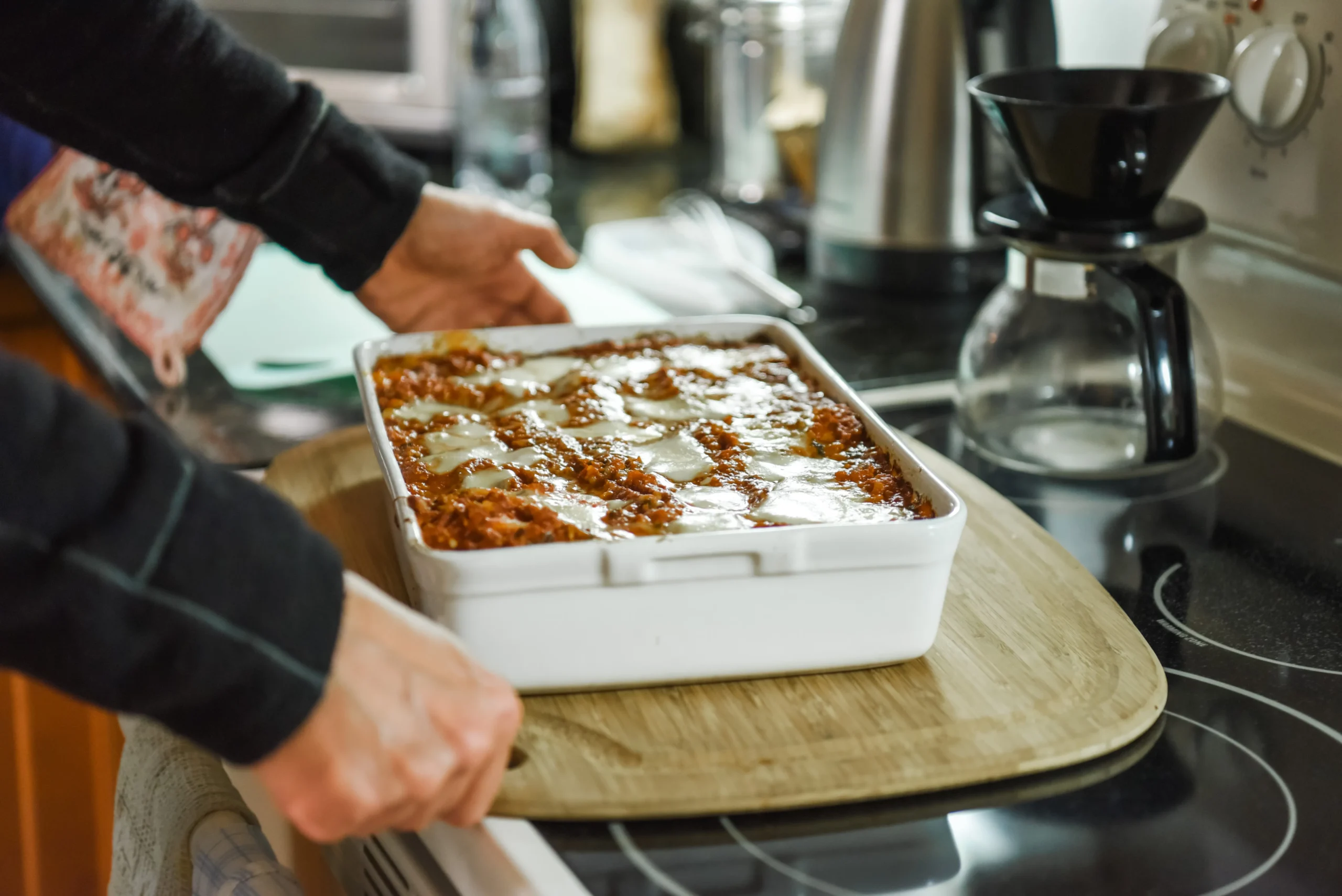
Some evenings call for lasagna—the bubbling cheese, tomato-rich sauce, and soft ricotta tucked between savory layers. What you may not want is the long assembly, slippery noodles, and stack of dishes left behind. This Lasagna Beans Recipe gives you those deeply comforting flavors in a simpler form.
Instead of pasta sheets, you use tender cannellini beans. They soak up the garlicky marinara, hold their shape beneath creamy ricotta, and turn an ordinary jar of sauce into a substantial dinner. Once the mozzarella melts and browns, the whole skillet looks generous and inviting, as though you spent far more time on it than you did.
What Are Lasagna Beans?
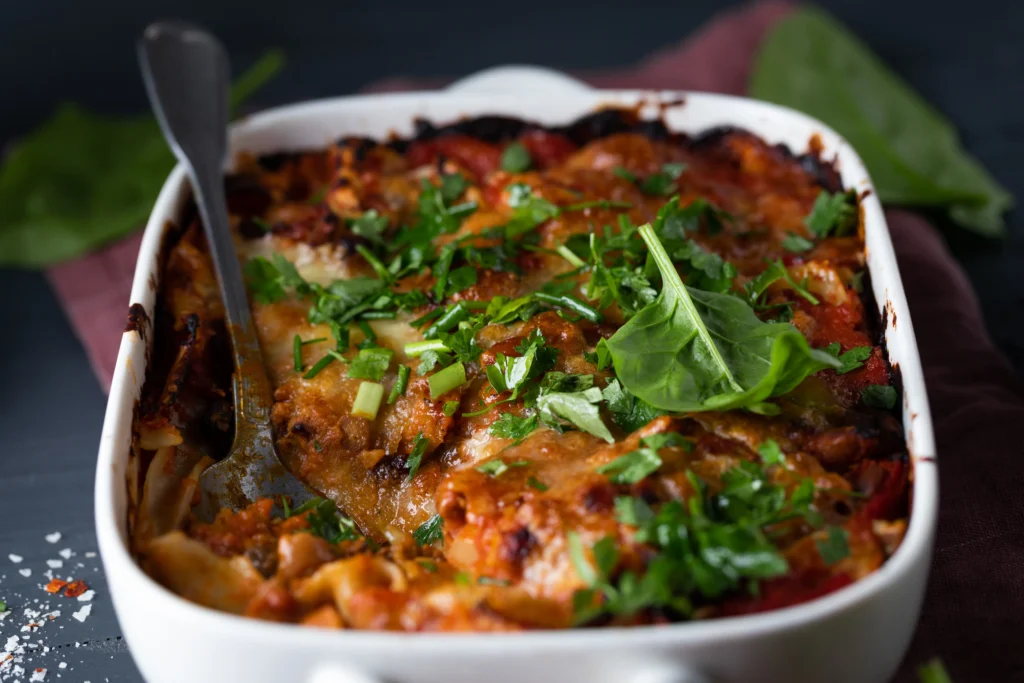
Lasagna beans are a pasta-free, lasagna-inspired casserole made with beans, tomato sauce, ricotta, mozzarella, Parmesan, garlic, and Italian herbs. You build the dish in a skillet or baking dish, then bake it until the sauce bubbles and the cheese develops golden spots.
Cannellini beans are especially well suited to this recipe because their mild flavor does not compete with the marinara and cheese. Their creamy centers also echo the softness you expect from baked pasta.
Although the finished dish tastes indulgent, the beans give it real substance. USDA MyPlate includes beans, peas, and lentils in the Protein Foods Group and also recognizes them within the vegetable group because of their nutrient profile.
Why You Will Love This Cheesy Lasagna Beans Recipe
You get the best qualities of classic lasagna without boiling noodles or building precise layers.
This recipe works particularly well because it is:
- Quick enough for a weeknight: Most of the work happens in one oven-safe skillet.
- Made with familiar ingredients: Canned beans, jarred marinara, onion, garlic, and cheese are easy to find.
- Easy to adapt: You can add vegetables, cooked meat, extra spice, or different cheeses.
- Good for meal preparation: The flavors become even more settled after a night in the refrigerator.
- Comforting without being fussy: You still get browned cheese, creamy ricotta, and a rich tomato base.
Lasagna Beans Recipe Ingredients
The ingredient list is short, but each item has a clear job. Use a marinara you already enjoy because its flavor will shape the finished dish.
| Ingredient | Amount | Why You Need It | Easy Substitute |
|---|---|---|---|
| Cannellini beans | 3 x 15-ounce cans | Forms the hearty, creamy base | Great Northern or butter beans |
| Olive oil | 1 tablespoon | Softens the onion and carries flavor | Avocado oil |
| Yellow onion | 1 small, diced | Adds sweetness and depth | Shallot |
| Garlic | 3 cloves, minced | Gives the sauce a savory backbone | ¾ teaspoon garlic powder |
| Marinara sauce | 3 cups | Creates the tomato-rich lasagna flavor | Homemade tomato sauce |
| Italian seasoning | 2 teaspoons | Adds basil, oregano, and herb notes | Separate dried basil and oregano |
| Red pepper flakes | ¼ teaspoon | Adds gentle heat | Black pepper or cayenne |
| Ricotta cheese | 1 cup | Creates creamy pockets | Small-curd cottage cheese |
| Mozzarella | 2 cups, shredded | Makes the bubbling, stretchy topping | Provolone or Italian cheese blend |
| Parmesan | ½ cup, finely grated | Adds saltiness and savory depth | Pecorino Romano |
| Fresh basil | ¼ cup, chopped | Brightens the baked dish | Parsley |
| Salt and pepper | To taste | Balances the final flavor | Adjust according to your sauce |
Choosing the Best Beans
Cannellini beans give you the creamiest, most lasagna-like result. Great Northern beans are slightly firmer, while butter beans create larger, softer bites.
Chickpeas also work, but they produce a nuttier flavor and firmer texture. The result will still be satisfying, though it may feel less like traditional lasagna.
Canned Beans or Dried Beans?
Canned beans keep this recipe fast. Drain them in a colander and rinse them well before adding them to the sauce. Rinsing removes the thick packing liquid and gives you better control over the seasoning.
Dried beans are an option when you have more time. Cook them fully before starting the recipe; the tomato sauce will not reliably soften undercooked beans during the short baking period. You will need approximately 4½ cups of cooked beans to replace three standard cans.
Why Beans Work So Well Here
Beans are not simply a substitute for noodles. They change the rhythm of the dish in a useful way. Instead of cutting through stacked layers, you scoop up tender beans coated in sauce, with ricotta and mozzarella stretching through each serving. Their mild flavor gives the tomato, garlic, basil, and Parmesan room to stand out.
They also make the recipe easier to portion. You can serve a small bowl beside salad, spoon a larger helping over toast, or divide the skillet into lunch containers without worrying about neat slices.
That flexibility is one reason cheesy lasagna beans work equally well for a family dinner, casual gathering, or meal-preparation session.
Equipment You Need
Use a 10- to 12-inch oven-safe skillet or a 9-by-13-inch baking dish, plus a knife, colander, spoon, measuring tools, and cheese grater.
When your skillet is not oven-safe, prepare the sauce and beans on the stovetop. Transfer the mixture to a casserole dish before adding the ricotta, mozzarella, and Parmesan.
How to Make Lasagna Beans
Lasagna Beans Recipe at a Glance
| Detail | Information |
|---|---|
| Preparation time | 15 minutes |
| Cooking time | 30 minutes |
| Total time | 45 minutes |
| Servings | 6 |
| Oven temperature | 375°F/190°C |
| Difficulty | Easy |
Step 1: Prepare the Beans and Oven
Heat your oven to 375°F/190°C. Drain and rinse the beans, dice the onion, mince the garlic, grate the cheeses, and chop the basil.
Having everything ready before you start keeps the sauce from sitting unattended while you prepare the remaining ingredients.
Step 2: Build the Tomato Base
Warm the olive oil in an oven-safe skillet over medium heat. Cook the onion with a pinch of salt for five to six minutes, stirring occasionally, until it looks soft and translucent.
Add the garlic, Italian seasoning, and red pepper flakes. Stir for approximately 30 seconds. The garlic should smell fragrant but should not become dark or bitter.
Pour in the marinara, bring it to a gentle simmer, and taste before adding more salt. Many prepared sauces already contain enough seasoning.
Step 3: Add the Beans
Fold the drained beans into the sauce and simmer for three to five minutes. Stir carefully so the beans stay mostly intact.
The mixture should look saucy rather than soupy. Add a splash of water or vegetable broth when it appears too thick. When it looks thin, let it simmer uncovered for a few more minutes.
Step 4: Add the Ricotta
Drop spoonfuls of ricotta across the surface. Press some of the cheese into the beans while leaving several creamy pockets visible.
Those ricotta pockets create a mild, rich contrast against the tangier tomato sauce.
Step 5: Cover With Cheese
Scatter the mozzarella evenly over the skillet, followed by the grated Parmesan. Take the cheese close to the edges so it meets the bubbling sauce as the dish bakes.
Step 6: Bake Until Bubbling
Bake the lasagna beans for 20 to 25 minutes. The sauce should bubble around the edges, while the mozzarella should look fully melted.
For a darker top, broil the dish for one to three minutes. Use broiler-safe cookware and watch it continuously because cheese can brown quickly.
Step 7: Rest and Finish
Let the baked beans rest for five to ten minutes. This short waiting period allows the sauce to settle and makes the dish easier to serve.
Finish with chopped basil, freshly ground black pepper, and extra Parmesan.
Tips for the Best Lasagna Beans
Use a Marinara You Would Eat on Its Own
Choose a marinara with a clean tomato flavor, noticeable garlic, balanced herbs, and enough acidity to cut through the cheese.
A bland or excessively sweet sauce will affect the entire dish, so this is not the place to use a jar you already know you dislike.
Drain the Beans Thoroughly
Too much canning liquid dilutes the marinara and can leave the casserole watery. Let the rinsed beans sit in the colander while you prepare the onion and garlic.
Season in Stages
Marinara, mozzarella, and Parmesan may already contain plenty of salt. Taste the sauce after the beans go in, then season only when necessary.
You can always add more salt at the table, but you cannot easily remove it after baking.
Do Not Overbake
Stop baking when the center bubbles and the cheese melts. Extra time can dry out the sauce, soften the beans too much, and make the mozzarella rubbery.
Grate the Cheese Fresh When Practical
Freshly grated mozzarella and Parmesan tend to melt smoothly and give you a fuller flavor. Pre-shredded cheese is still perfectly practical when you need to get dinner ready quickly.
Easy Lasagna Beans Recipe Variations
Add Vegetables
Fold in sautéed mushrooms, spinach, roasted eggplant, zucchini, kale, or bell peppers. Cook watery vegetables before adding them so they do not release excess moisture into the casserole.
For spinach, stir two large handfuls into the marinara and let them wilt before adding the beans.
Add Meat
Brown Italian sausage, ground beef, or ground turkey before cooking the onion. Drain excessive fat, then continue with the recipe.
You can also fold shredded cooked chicken into the sauce with the beans.
Make It Spicy
Increase the red pepper flakes, stir in Calabrian chile paste, or place sliced pickled peppers beneath the mozzarella.
Spicy Italian sausage is another easy way to bring more heat and savory flavor to the dish.
Make White Lasagna Beans
Replace the marinara with a creamy garlic sauce or loose béchamel. Add spinach, mushrooms, artichoke hearts, thyme, or lemon zest.
This variation is richer and milder, with flavors similar to a traditional white lasagna.
Make It Vegan
Use plant-based ricotta and mozzarella, plus nutritional yeast or dairy-free Parmesan. Check every packaged ingredient when strict vegan preparation matters, including the sauce and seasoning blend.
What to Serve With Lasagna Beans
Fresh and crisp side dishes balance the rich beans and melted cheese.
Try serving your lasagna beans with:
- A lemony arugula salad
- Roasted broccoli or asparagus
- Garlic bread or warm focaccia
- A tomato and cucumber salad
- Shaved fennel with olive oil and citrus
A simple green salad and garlic bread make the easiest complete meal. The salad brings freshness, while the bread gives you something to drag through the remaining tomato sauce.
Make-Ahead Instructions
You can assemble the entire dish one day before baking. Prepare the sauce and beans, add the ricotta and shredded cheeses, cover the baking dish, and refrigerate it.
When dinner approaches, bake it directly from the refrigerator. Allow roughly five to ten additional minutes because the center starts cold.
For the best texture, keep the fresh basil separate and add it after baking. When using a glass casserole dish, follow the manufacturer’s temperature guidance and avoid exposing cold glass to abrupt, intense heat.
How to Store and Reheat Lasagna Beans
Let leftovers cool briefly, then transfer them to shallow, airtight containers and refrigerate them promptly. FoodSafety.gov advises refrigerating perishable leftovers within two hours and using refrigerated leftovers within three to four days.
Refrigerator Storage
Keep the lasagna beans covered in the refrigerator for up to three to four days. Dividing the leftovers into individual portions can make weekday lunches easier to reheat.
Freezer Storage
Freeze cooled portions in labeled, freezer-safe containers. The beans may soften slightly, and the ricotta can become somewhat grainier after thawing.
Thaw frozen lasagna beans overnight in the refrigerator before reheating.
Reheating Lasagna Beans
Oven Method
Place the beans in a covered baking dish and reheat them at 350°F/175°C. Add a spoonful of water or marinara when the sauce looks dry.
Uncover the dish for the final few minutes when you want to refresh the cheese topping.
Microwave Method
Cover one portion loosely and heat it in short intervals. Stir around the edges when possible so the center warms evenly.
Are Lasagna Beans Healthy?
Whether a recipe is healthy for you depends on your nutritional needs, serving size, and chosen ingredients. Beans can contribute protein and dietary fiber, while the sauce and cheese determine much of the dish’s final sodium and fat content.
To reduce the sodium, choose no-salt-added beans, rinse them thoroughly, select a lower-sodium marinara, and use a lighter hand with Parmesan.
You can also add spinach, mushrooms, zucchini, or roasted eggplant to bring more vegetables into each serving.
For precise nutrition figures, calculate the recipe using the exact brands and quantities in your kitchen. Values can vary considerably between different sauces, cheeses, and canned beans.
Frequently Asked Questions About Lasagna Beans Recipe
What Is a Lasagna Beans Recipe?
A Lasagna Beans Recipe is a baked, lasagna-inspired dish that replaces pasta layers with beans. It usually contains marinara, ricotta, mozzarella, Parmesan, garlic, and Italian herbs.
Which Beans Are Best for Lasagna Beans?
Cannellini beans are the best all-around choice because they are mild, creamy, and sturdy. Great Northern beans and butter beans are reliable alternatives.
Can You Make Lasagna Beans Without Ricotta?
Yes. Cottage cheese is the easiest substitute. You can also use mascarpone, a thick white sauce, or a plant-based ricotta alternative.
Can You Cook Lasagna Beans Entirely on the Stovetop?
Yes. Prepare the sauce and beans in a skillet, add the cheeses, reduce the heat, and cover the pan until the mozzarella melts.
The top will not develop the same browned finish, but you will still get the creamy texture and familiar lasagna flavors.
Can You Add Pasta to This Lasagna Beans Recipe?
Yes. Add cooked small pasta shapes or pieces of cooked lasagna noodles. Include a little extra sauce to prevent the dish from becoming dry.
Avoid adding uncooked pasta unless you have adjusted the liquid and cooking time specifically for it.
Are Lasagna Beans Gluten-Free?
The basic ingredients can be gluten-free, but you should check the labels on marinara, broth, seasoning blends, and cheese alternatives.
Cross-contact warnings are especially important when you are cooking for someone with celiac disease or a serious gluten sensitivity.
How Do You Keep Lasagna Beans From Becoming Watery?
Drain the beans thoroughly, reduce thin marinara before baking, and cook high-moisture vegetables separately.
Letting the finished dish rest for five to ten minutes also gives the sauce time to thicken.
Can You Prepare Lasagna Beans Ahead?
Yes. Assemble the beans, sauce, ricotta, and cheese in a baking dish, cover it, and refrigerate it until needed.
Allow additional baking time because the center will be cold.
Conclusion: Put This Cheesy Lasagna Beans Recipe on Your Dinner List
This Lasagna Beans Recipe earns its place in your kitchen because it solves a familiar problem: you want a warm, cheese-covered dinner, but you do not want a complicated cooking project.
In approximately 45 minutes, you can bring tomato sauce, creamy beans, ricotta, mozzarella, and fragrant herbs together in one bubbling pan. You still get the browned cheese and satisfying flavors associated with lasagna, but you skip the pasta boiling and detailed layering.
Make the original version first, then adjust it to suit your table. Add spinach for color, sausage for extra richness, chile peppers for heat, or white sauce when you want a break from marinara.
Once you try the recipe, leave a comment explaining which beans you used and how you customized the dish. Rate it, share it with someone who appreciates easy comfort food, and save it for the next evening when traditional lasagna feels like too much work.
Table of Contents
Fresh Summer Corn Salad with Tomatoes and Avocado – labelrecipes.com