
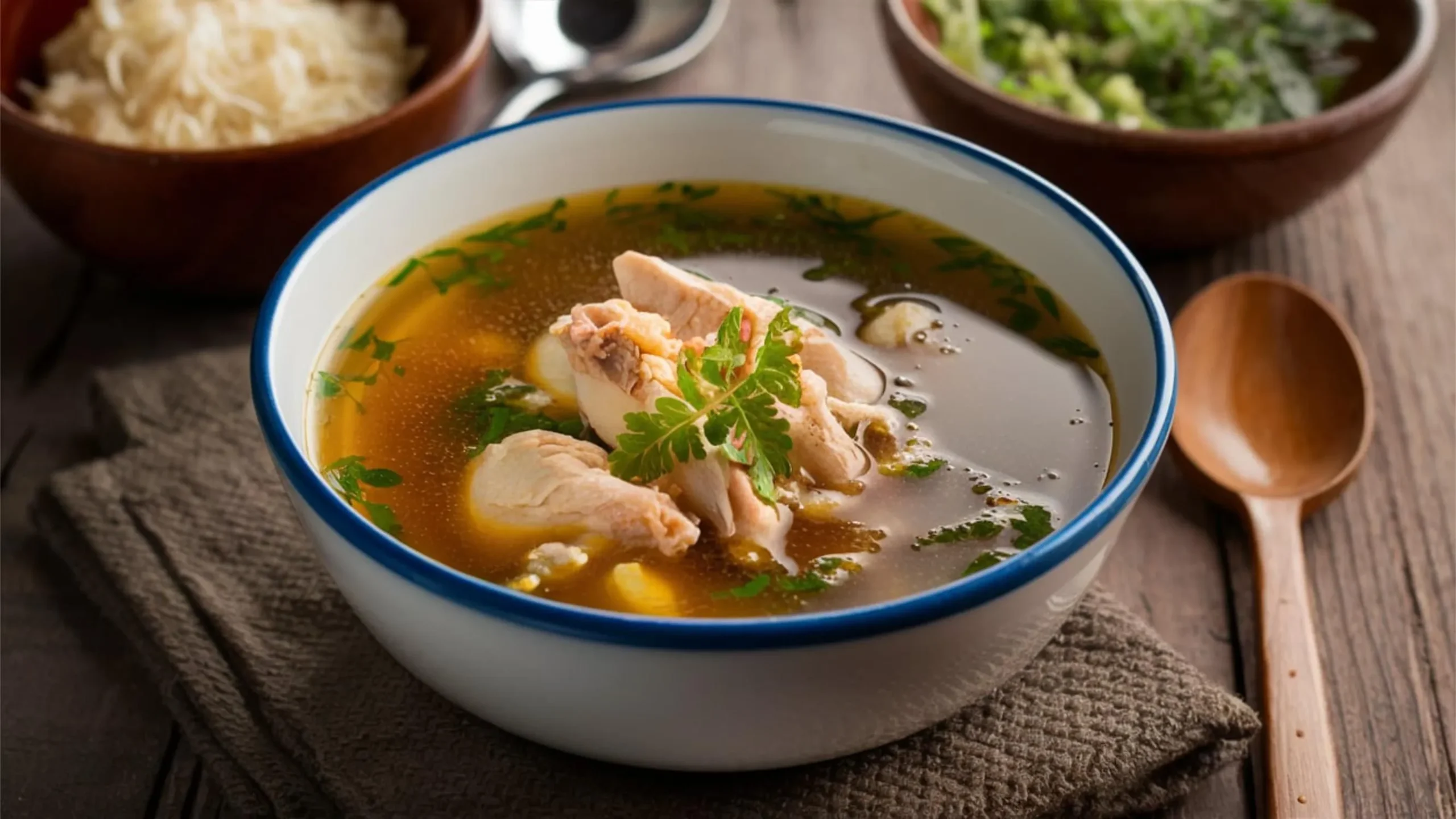
When you want something warm and comforting without spending a lot on dinner, a big bowl of homemade soup can be hard to beat. This Miso Chicken Soup combines tender chicken, sweet butternut squash, pasta, garlic, ginger, and savory miso in one cozy pot. It is filling enough for dinner, simple enough for a weeknight, and designed to cost less than $8 for the entire recipe.
What makes this soup especially satisfying is the balance of flavors. The squash adds natural sweetness, the chicken brings hearty protein, and the miso gives the broth a deep umami character. Small pasta shapes make the soup more substantial, while ginger and garlic add warmth without requiring a complicated spice cabinet.
You also do not need fancy cooking equipment or hard-to-find ingredients. With a few affordable grocery staples and a container of miso paste, you can have a flavorful homemade dinner on the table in about 45 minutes.
Whether you are cooking for your family, preparing lunches for the week, or simply looking for an inexpensive comfort food recipe, this soup gives you plenty of flavor for your grocery budget.
Recipe Overview
This recipe takes the familiar comfort of chicken noodle soup and gives it a flavorful twist with miso and winter squash.
Instead of relying on a long list of seasonings, the broth gets most of its character from chicken broth, white miso, garlic, and fresh ginger. Butternut squash adds color, texture, and a gentle sweetness that works surprisingly well with the savory miso.
Quick recipe details
| Category | Details |
|---|---|
| Servings | 4 |
| Prep time | 15 minutes |
| Cook time | 30–35 minutes |
| Total time | About 45–50 minutes |
| Difficulty | Easy |
| Cuisine style | Japanese-inspired comfort food |
| Main protein | Chicken |
| Main vegetable | Butternut squash |
| Estimated total cost | About $7.78 |
| Estimated cost per serving | About $1.95 |
The recipe is particularly useful when you want a complete meal without buying numerous ingredients. Chicken provides protein, pasta adds carbohydrates, and squash contributes vegetables and fiber.
Ingredients You’ll Need
You only need a handful of ingredients to make this cozy dinner.
Main ingredients
| Ingredient | Quantity |
|---|---|
| Boneless skinless chicken thighs | 8 oz |
| Butternut squash, peeled and diced | 2 cups |
| Small pasta or elbow macaroni | 4 oz |
| Chicken broth | 4 cups |
| White miso paste | 3 tablespoons |
| Garlic | 1 clove |
| Fresh ginger | 1 teaspoon |
| Green onion | ½ bunch |
| Black pepper | To taste |
| Water | As needed |
Choosing your ingredients
Chicken thighs: Thigh meat is affordable and remains tender in soup. You can substitute chicken breast if that is what you already have.
Butternut squash: Fresh squash gives the soup a naturally sweet flavor and soft texture. If peeling and cutting squash feels like too much work, frozen cubed squash is a convenient alternative.
Pasta: Elbow macaroni is inexpensive and easy to find, but you can use ditalini, small shells, or another small pasta shape.
White miso: White miso has a mild, slightly sweet flavor that works particularly well with the squash. It also makes the broth taste richer without requiring a lot of additional ingredients.
Ginger and garlic: These aromatics add warmth and depth and help keep the soup from tasting one-dimensional.
Ingredient Prices & Where to Find the Best Deals
Keeping a recipe under $8 requires looking at both package prices and the actual amount used.
For this recipe, current Walmart listings were used as the primary pricing reference. Grocery prices can change, and online prices may differ depending on your location.
Walmart currently lists Great Value boneless skinless chicken thighs at approximately $3.29 per pound for a 3-pound frozen package. Great Value elbow pasta is listed at approximately $1.24 for 16 ounces, while Great Value chicken broth is around $1.50 for a 32-ounce carton.
A 300-gram package of Fusion Select Organic White Miso Paste is currently listed around $8.99. Although that package costs more than the amount used in this recipe, only approximately 45 grams is needed.
Estimated ingredient cost
| Ingredient | Quantity Used | Package Price | Best Retailer | Recipe Cost |
|---|---|---|---|---|
| Boneless skinless chicken thighs | 8 oz | About $9.87 / 3 lb | Walmart | $1.65 |
| Butternut squash | 2 cups | About $4.54 each | Walmart | $2.27* |
| Elbow pasta | 4 oz | $1.24 / 16 oz | Walmart | $0.31 |
| Chicken broth | 4 cups | $1.50 / 32 oz | Walmart | $1.50 |
| White miso paste | 3 tbsp | $8.99 / 300 g | Walmart | $1.35 |
| Garlic | 1 clove | About $0.72 / bulb | Walmart | $0.10 |
| Fresh ginger | 1 tsp | About $1.39 / 0.35 lb | Walmart | $0.05 |
| Green onion | ½ bunch | About $0.73–$1.10 | Walmart | $0.55 |
Estimated total recipe cost: approximately $7.78
Estimated cost per serving: approximately $1.95
*The squash calculation represents the estimated portion used from a whole squash. Actual usable yield varies depending on the size of the squash and how much is trimmed.
Prices may vary by location, store, brand, promotions, package size, and date. Produce prices can change particularly quickly, so check your local retailer before shopping.
One important point about this calculation: the recipe cost is not the same as the checkout total. You may need to spend more than $8 at the register because you are purchasing full packages. However, you will have leftover pasta, miso, chicken, garlic, and ginger for future meals.
That makes this recipe even more practical for budget-conscious cooking.
How to Make Miso Chicken Soup
Once your ingredients are prepared, the cooking process is straightforward.
1. Prepare the ingredients
Start by peeling and cutting your butternut squash into small cubes.
Try to keep the pieces similar in size. Cubes around ½ to ¾ inch work well because they cook relatively quickly and are easy to eat with a spoon.
Cut the chicken into bite-sized pieces.
Then mince the garlic, grate the ginger, and slice the green onions.
Keep the miso paste separate for later.
2. Build the broth
Pour the chicken broth into a large pot and bring it to a gentle simmer.
Add the minced garlic and grated ginger.
Let them simmer for about 2–3 minutes.
You should begin to smell the aromatics as their flavor moves into the broth.
3. Cook the squash
Add the diced butternut squash.
Partially cover the pot and let the squash simmer for approximately 8–10 minutes.
You want the squash to begin softening without completely falling apart.
Some pieces will naturally break down later, which helps give the broth a slightly richer texture.
4. Add the chicken
Add the bite-sized chicken pieces to the pot.
Continue cooking for approximately 6–8 minutes, depending on the size of your pieces.
The chicken should reach an internal temperature of 165°F.
Avoid cooking it much longer than necessary, particularly if you are using chicken breast.
5. Add the pasta
Stir in the pasta.
Cook according to the package directions, usually around 7–10 minutes.
Stir occasionally so the pasta does not settle on the bottom of the pot.
If the soup becomes thicker than you like, add a little water or additional broth.
6. Incorporate the miso
This step makes a big difference.
Do not simply drop large spoonfuls of miso directly into the soup.
Instead, scoop several tablespoons of hot broth into a small bowl. Add the miso paste and whisk until smooth.
Pour this mixture back into the pot.
Keep the heat low and stir gently.
Taste the broth before adding salt. Miso and chicken broth can both contribute plenty of sodium.
7. Finish the soup
Add black pepper to taste.
Stir in the sliced green onion or use it as a garnish.
Give the soup one final taste.
If you want more miso flavor, dissolve a small additional amount in warm broth and add it gradually.
Serve hot.
Cooking Tips for the Best Results
Cut everything into manageable pieces
Soup is easiest to eat when the ingredients are spoon-sized.
Small squash cubes and chicken pieces also cook faster and more evenly.
Avoid overcooking the pasta
Pasta continues absorbing liquid after it is cooked.
If you know you will have leftovers, consider cooking the pasta separately and adding it to individual portions.
Taste before seasoning
This is especially important with miso.
Because miso and packaged broth can both be salty, adding salt automatically may make the finished soup too salty.
Keep the miso gentle
Once you add the miso, there is no reason to boil the soup aggressively.
A gentle finish is all you need.
Adjust the consistency
Prefer a brothier soup? Add more water or chicken broth.
Want something closer to a stew? Let it simmer slightly longer and use a little more squash or pasta.
The recipe is flexible.
Variations and Substitutions
One of the best things about this soup is how easily you can adapt it.
Chicken breast
Replace the thighs with an equal amount of boneless, skinless chicken breast.
Because breast meat is leaner, avoid overcooking it.
Different squash
Butternut squash is convenient, but you can use:
- Acorn squash
- Kabocha squash
- Delicata squash
- Pumpkin
- Frozen winter squash
The cooking time may vary depending on the type and size of the pieces.
Different pasta
Use whatever small pasta you have available.
Good choices include:
- Ditalini
- Small shells
- Orzo
- Elbow macaroni
- Small bow ties
- Broken spaghetti
Add vegetables
You can easily increase the vegetable content with spinach, kale, bok choy, carrots, mushrooms, or cabbage.
Add quick-cooking vegetables toward the end so they retain some texture.
Make it spicy
For a little heat, add red pepper flakes, chili oil, or a small spoonful of chili crisp.
The combination of spicy heat, sweet squash, and savory miso is particularly flavorful.
Use another miso
White miso is mild, but yellow or red miso can also work.
Red miso has a stronger flavor, so start with a smaller amount and add more if needed.
Storage and Meal Prep
This soup is convenient for meal prep, although the pasta requires a little consideration.
Refrigerator storage
Allow leftovers to cool appropriately before transferring them to airtight containers.
Store refrigerated leftovers for approximately 3–4 days.
For the best texture, store pasta separately when possible.
Reheating
Reheat individual portions gently on the stovetop or in the microwave.
If the soup has thickened overnight, add a splash of water or broth.
Taste before serving because the pasta may have absorbed some of the liquid and seasoning.
Freezer storage
The chicken, squash, and broth freeze well.
Pasta is less ideal because it can become softer after thawing.
For freezer meal prep, prepare the soup without pasta. Freeze individual portions, then add freshly cooked pasta when reheating.
Nutrition Information
Nutrition will depend on the exact brands and quantities you use, so the following figures are estimates rather than laboratory-tested values.
Estimated nutrition per serving
| Nutrient | Estimated amount |
|---|---|
| Calories | 330–370 |
| Protein | 20–24 g |
| Carbohydrates | 45–50 g |
| Fat | 7–10 g |
| Fiber | 4–6 g |
| Sodium | Varies by ingredients |
The sodium content can vary significantly between brands of miso and chicken broth.
If you want greater control over sodium, choose a lower-sodium broth and add the miso gradually.
How to Keep This Dinner Under $8
Budget cooking does not necessarily mean choosing the cheapest possible ingredients. It means getting as many meals as possible from what you buy.
Buy larger chicken packages
If chicken thighs are available at a lower price per pound in a larger package, portion the leftovers into freezer bags.
You can use them for tacos, stir-fries, rice bowls, or another soup later.
Choose store-brand staples
Store-brand pasta and broth are particularly useful for budget recipes.
You generally do not need a premium pasta product for soup, and inexpensive broth works perfectly well when combined with flavorful ingredients such as miso, ginger, and garlic.
Buy whole squash
Pre-cut squash is convenient, but you usually pay more for that convenience.
A whole squash can provide enough for this recipe plus another meal.
Think beyond one dinner
Miso paste is an excellent example of an ingredient that becomes cheaper with repeated use.
Once you have it, you can use it in:
- Salad dressings
- Glazes
- Noodle bowls
- Marinades
- Vegetable sauces
- Broths
- Stir-fries
That $8.99 package can therefore contribute flavor to many future meals.
Frequently Asked Questions
What makes this Miso Chicken Soup different from regular chicken soup?
The main difference is the miso-based flavor. Instead of relying primarily on herbs and traditional chicken-soup seasonings, this recipe uses fermented miso, ginger, and garlic to create a savory, umami-rich broth.
Can you make this recipe with leftover cooked chicken?
Yes. If you already have cooked chicken, add it toward the end rather than cooking it from raw. This can make the recipe even faster.
Can you use frozen butternut squash?
Yes. Frozen cubed squash is a convenient substitute and can save preparation time.
What type of miso should you use?
White miso is recommended because its mild, slightly sweet flavor works well with the squash. Yellow miso is another good option.
Can you make the soup vegetarian?
Yes. Replace the chicken with additional vegetables, tofu, or beans and use vegetable broth instead of chicken broth. Make sure the miso and broth you choose fit your dietary requirements.
How do you stop the pasta from absorbing all the broth?
For leftovers, cook the pasta separately and add it to each serving. This keeps the soup much more brothy after refrigeration.
Can you freeze Miso Chicken Soup?
Yes, but the texture is better if you freeze the chicken, squash, and broth without the pasta. Add freshly cooked pasta after reheating.
Is this recipe spicy?
No. The basic version is mild. If you prefer heat, add chili flakes, chili oil, or chili crisp.
How much does the recipe cost?
Using the current ingredient pricing framework above, the estimated cost is approximately $7.78 for four servings, or about $1.95 per serving. Actual costs will vary by retailer and location.
Final Thoughts
A satisfying homemade dinner does not have to require expensive ingredients or hours of preparation. This Miso Chicken Soup brings together affordable chicken, sweet squash, pasta, and a flavorful miso broth to create a meal that feels much more elaborate than its price suggests.
You can prepare it for a weeknight dinner, portion it for lunches, or adapt it around ingredients already sitting in your pantry and refrigerator. Change the pasta, add more vegetables, use chicken breast, or adjust the miso to suit your taste.
The recipe also gives you an opportunity to make your grocery budget work harder. Ingredients such as pasta, chicken broth, ginger, garlic, and miso can all be used across multiple meals, while the squash adds inexpensive bulk and natural sweetness.
If you make this soup, try your own variation and see which combination you like best. Share your favorite additions or substitutions in the comments—especially if you find another way to make this cozy dinner even more budget-friendly.
Table of Contents
Crispy Tofu with Peanut Sauce Under $7 – Easy 30-Minute Dinner – labelrecipes.com