
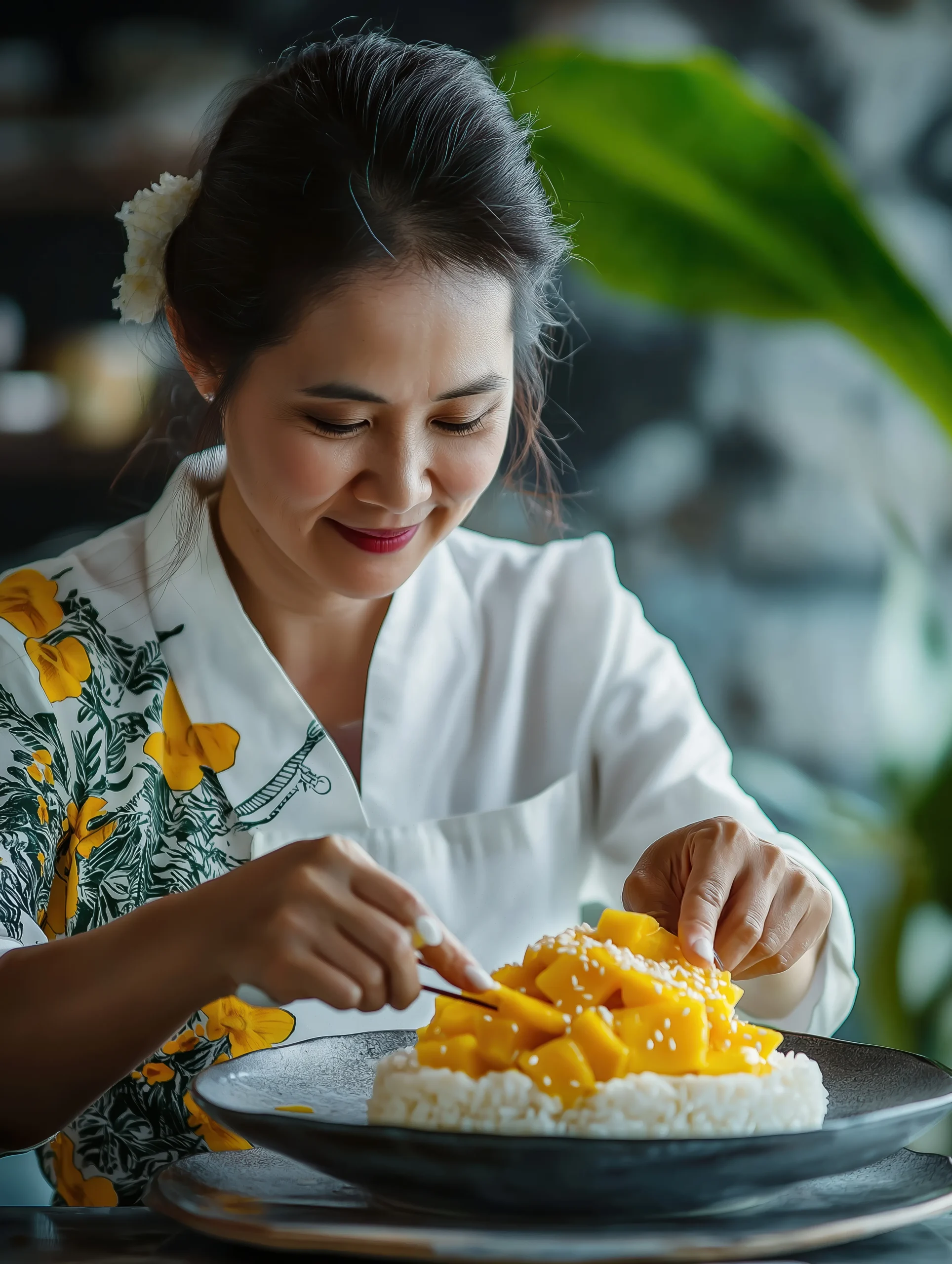
Sticky rice has a way of slowing you down. Maybe it’s the patience it demands, or maybe it’s the memories it stirs up—shared meals, warm hands, simple food that feels deeply satisfying. When you learn an authentic sticky rice recipe, you’re not just cooking rice. You’re learning a method that has been passed down across Thai and Asian kitchens for generations.
If you’ve ever wondered why restaurant or street-market sticky rice tastes different from what you make at home, you’re in the right place. This guide walks you through everything you need to know, step by step, so you can get the same soft, fragrant, perfectly clinging texture every single time.
What Is Sticky Rice, Really?
Sticky rice, often called glutinous rice, is a special variety of rice used widely across Thailand, Laos, Vietnam, and other parts of Asia. Despite the name, it contains no gluten at all. The “sticky” quality comes from its starch makeup, not from wheat or gluten.
What makes it unique is its high amylopectin content. When cooked correctly, the grains hold together gently, allowing you to pinch small portions with your fingers or dip them into sauces without falling apart.
Key characteristics you should know:
- Naturally sticky when cooked properly
- Short-grained and opaque when raw
- Mild, slightly nutty aroma
- Designed for steaming, not boiling
Understanding this difference is essential before you even begin cooking. Sticky rice follows its own rules.
Why This Sticky Rice Recipe Is Truly Authentic
If you’ve tried cooking sticky rice like regular rice—boiling it in excess water or tossing it into a rice cooker—you’ve probably ended up disappointed. Authentic sticky rice is made using a soak-and-steam method, and that’s non-negotiable.
This recipe sticks closely to how sticky rice is made in Thai and Asian households:
- You soak the rice for hours, not minutes
- You steam it instead of boiling it
- You allow airflow during cooking
- You flip the rice to ensure even texture
There are no shortcuts here, but the payoff is worth it. Once you taste sticky rice made this way, you’ll immediately notice the difference.
Ingredients for an Authentic Sticky Rice Recipe
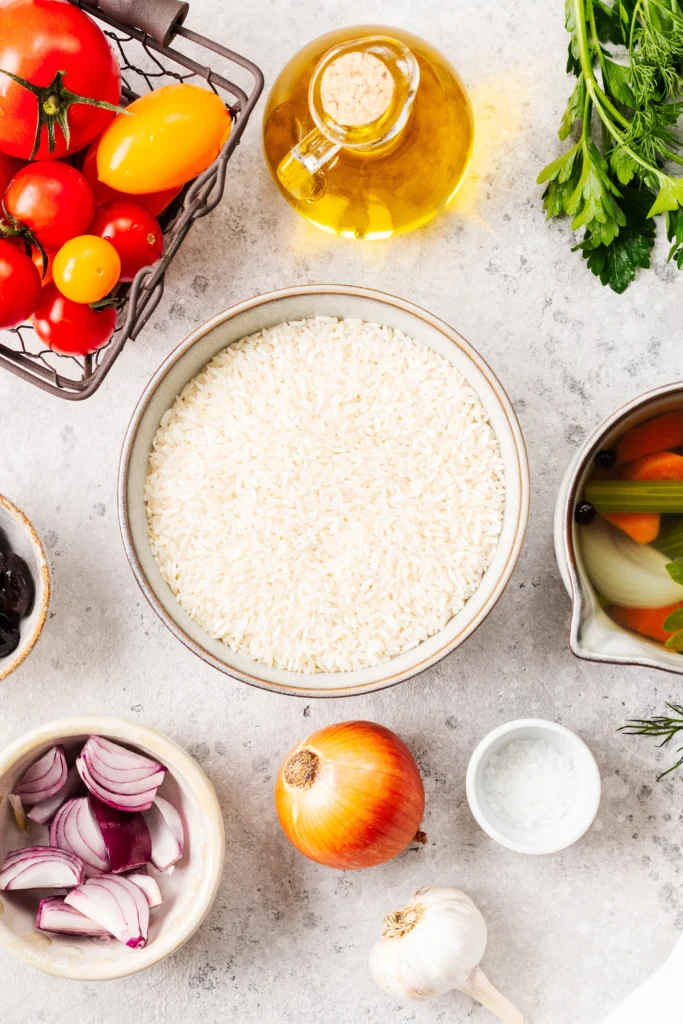
One of the best things about sticky rice is its simplicity. You don’t need a long shopping list or fancy seasonings.
Sticky Rice Ingredients Table
| Ingredient | Quantity | Notes |
|---|---|---|
| Glutinous (Sticky) Rice | 2 cups | Thai or Asian brand preferred |
| Water | As needed | For soaking only |
That’s it. No salt. No oil. No sugar. Authentic sticky rice relies on technique, not additives.
Choosing the Right Rice for Sticky Rice Recipe Success
Your results depend heavily on the rice you choose. This step matters more than most people realize.
Best Rice Options
- Thai glutinous rice
- Lao sticky rice
- Asian-labeled “sweet rice” (not dessert rice)
Rice You Should Avoid
- Jasmine rice
- Basmati rice
- Long-grain white rice
- Sushi rice
Even though some of these may look similar once cooked, they won’t produce the same texture or aroma. If the bag doesn’t say “glutinous” or “sticky,” it’s not the right rice for this recipe.
How to Make Sticky Rice: Step-by-Step Traditional Method
This is where everything comes together. Follow these steps carefully, and you’ll get sticky rice that’s soft, cohesive, and fragrant.
Step 1: Washing the Rice
Place the rice in a bowl and rinse it gently with cold water. Swirl it lightly and drain. Repeat until the water looks mostly clear. Don’t scrub or crush the grains—you want them intact.
Step 2: Soaking the Rice (Essential Step)
Cover the rice fully with water and let it soak for 6 to 12 hours. Overnight soaking works perfectly.
Why this matters:
- Softens the grain evenly
- Allows proper steaming
- Prevents a chalky center
Skipping or shortening this step is the most common reason sticky rice fails.
Step 3: Steaming the Sticky Rice
Drain the soaked rice completely. Line a bamboo steamer or metal steamer with a clean cloth or cheesecloth. Spread the rice evenly.
Steam over boiling water for 20 to 30 minutes. Around the halfway point, gently flip the rice to ensure even cooking.
You’ll know it’s ready when:
- The grains look glossy
- The texture feels tender, not mushy
- The rice holds together without being wet
Step 4: Resting and Fluffing
Remove the rice from the steamer and gently fold it using a wooden spoon or spatula. Cover it with a cloth to keep it warm and prevent drying.
Common Sticky Rice Mistakes You’ll Want to Avoid
Even small missteps can affect your final result. Keep these in mind:
- Skipping the soaking step
- Boiling instead of steaming
- Using the wrong rice variety
- Overpacking the steamer
- Letting cooked rice sit uncovered
Sticky rice is forgiving, but only if you respect the process.
How Sticky Rice Is Used in Thai and Asian Dishes
Sticky rice is incredibly versatile. Once you master this recipe, you’ll find endless ways to enjoy it.
Savory Uses
- Served with grilled chicken or pork
- Paired with spicy dipping sauces
- Eaten alongside papaya salad
- Used as a base for northern Thai meals
Sweet Uses
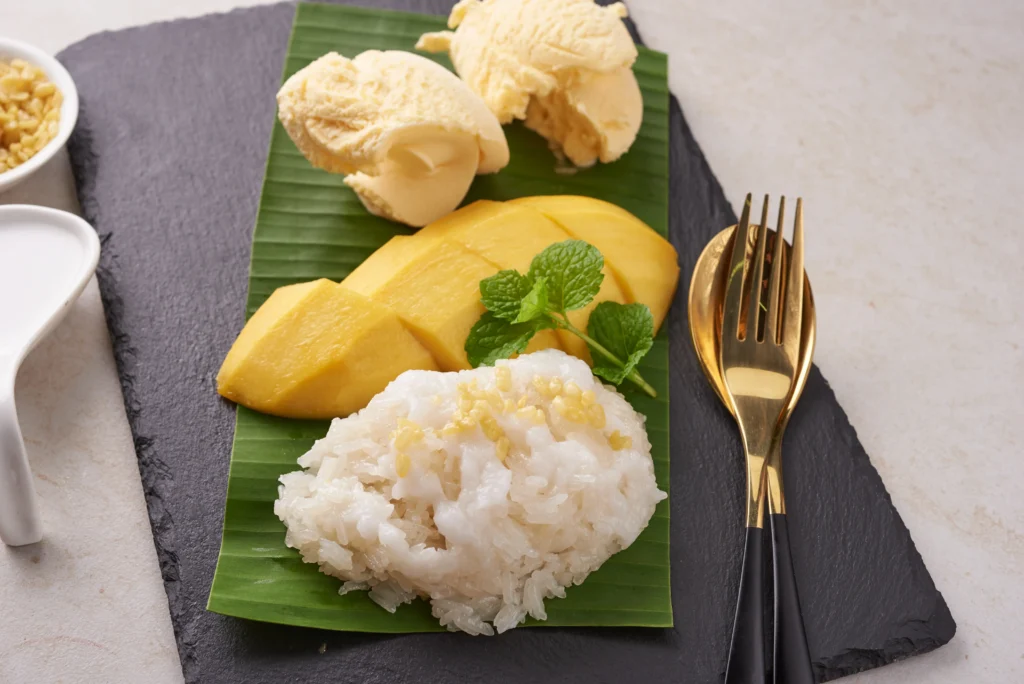
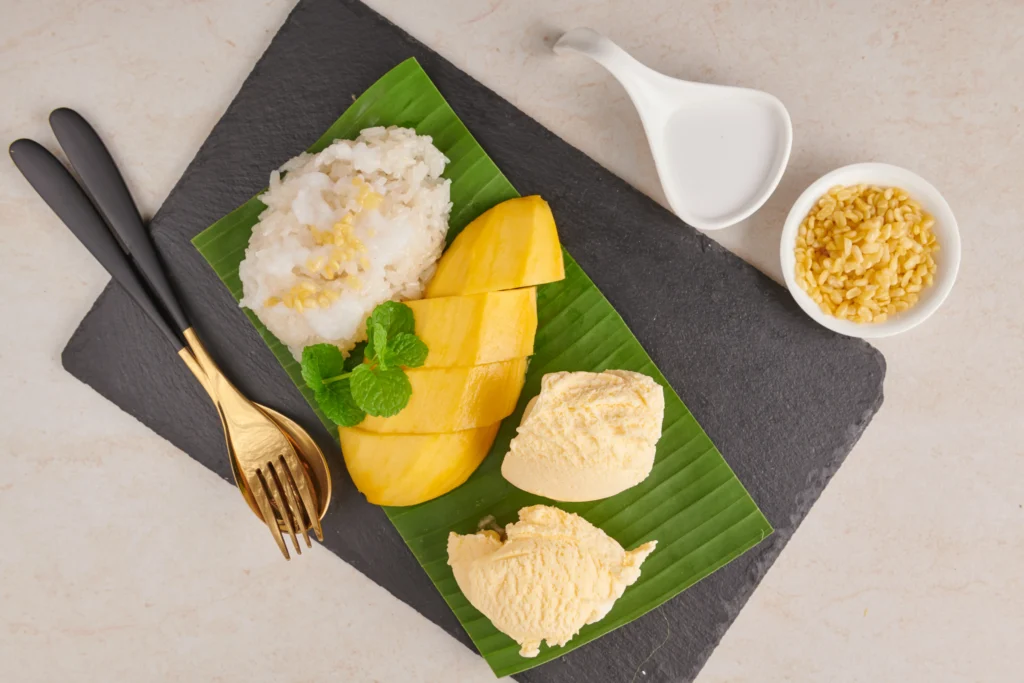
- Mango sticky rice with coconut sauce
- Sticky rice wrapped in banana leaves
- Coconut-infused rice desserts
Because the rice itself is neutral, it adapts beautifully to both sweet and savory dishes.
How to Store and Reheat Sticky Rice Without Ruining It
Sticky rice is best eaten fresh, but you can store it if needed.
Short-Term Storage
- Wrap in a clean cloth
- Keep at room temperature for the same day
Refrigeration
- Store in an airtight container
- Keeps for up to 3 days
Reheating Tips
- Steam briefly to restore softness
- Sprinkle lightly with water before reheating
- Avoid microwaving if possible, as it dries the rice
Sticky Rice Recipe Variations You Can Try
Once you’re comfortable with the basics, you can branch out.
Coconut Sticky Rice
After steaming, gently mix warm coconut milk with a touch of sugar and salt into the rice. This version is perfect for desserts.
Naturally Colored Sticky Rice
- Butterfly pea flower for blue rice
- Pandan leaves for green rice
- Turmeric for golden rice
These methods add visual appeal without artificial coloring.
Frequently Asked Questions About Sticky Rice Recipe
What makes this sticky rice recipe authentic?
You’re using the correct rice, soaking it properly, and steaming it the traditional way—exactly how it’s done in Thai and Asian kitchens.
Can you make sticky rice without a bamboo steamer?
Yes. A metal steamer lined with cloth works just as well.
Can sticky rice be cooked in a rice cooker?
You can, but the texture won’t be the same. Steaming gives far better results.
Is sticky rice healthy?
Sticky rice is naturally gluten-free and low in fat. Like all rice, it’s best enjoyed in balanced portions.
Why is your sticky rice hard or dry?
Most often, it’s due to insufficient soaking or exposure to air after cooking.
Conclusion: Bring Authentic Sticky Rice Into Your Kitchen
Learning an authentic sticky rice recipe changes the way you look at rice altogether. You stop treating it as a side dish and start appreciating it as the heart of the meal. With just rice, water, and patience, you can recreate the same texture and flavor found in Thai homes and Asian street markets.
Now that you know the method, the rest is practice. Try it once, adjust to your setup, and soon it’ll feel second nature.
Your next step?
Make this sticky rice recipe, pair it with your favorite dish, and share the experience. If this guide helped you, save it, pass it along, or leave a comment about how your sticky rice turned out. Great food is always better when it’s shared.
Table of Contents
https://labelrecipes.com/healthy-gluten-free-pancake-recipe-with-natural/