

You’ve probably been there. You separate the eggs carefully, whip the whites with hope in your heart, and watch… nothing happen. Or worse, it looks fine at first, then turns grainy, flat, or sticky. You start wondering if perfect meringue is something only pastry chefs or baking influencers can pull off.
Here’s the reassuring truth: you are not bad at baking. Perfect meringue is not about talent or luck. It’s about understanding a few quiet rules that most recipes skip or explain poorly. Once you know why meringue behaves the way it does, everything clicks. Suddenly, the process feels calm, predictable, and even enjoyable.
This guide walks you through the full story of perfect meringue—from the science to the technique—so you can make it confidently every single time, in your own kitchen, with tools you already have.

What Is Perfect Meringue (and Why Yours Might Be Failing)
Perfect meringue has a very specific personality. When you know what to look for, you’ll recognize it instantly.
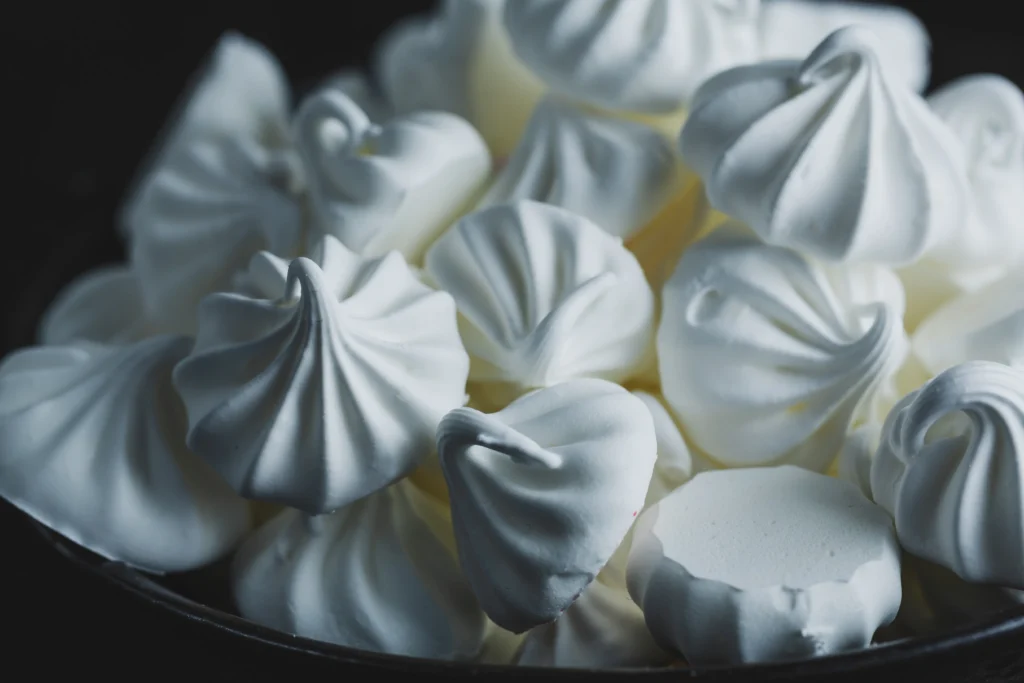
What Perfect Meringue Looks and Feels Like
Perfect meringue should:
- Look glossy, not dull
- Hold stiff peaks that stand straight
- Feel smooth between your fingers
- Stay stable without leaking liquid
Depending on how you bake or use it, perfect meringue can be crisp on the outside, soft in the center, or cloud-like throughout. What matters most is structure and stability.
Why Most Meringue Attempts Go Wrong
If your meringue has failed before, one of these is usually the reason:
- A trace of fat from egg yolk or an unclean bowl
- Sugar added too early or too fast
- Whipping at the wrong speed
- High humidity in the kitchen
- Overwhipping past the stiff-peak stage
None of these are random. They’re all fixable once you know how meringue works.
The Simple Science Behind Perfect Meringue
You don’t need a food science degree to make perfect meringue. You just need a basic mental picture of what’s happening in the bowl.
What Happens When You Whip Egg Whites
Egg whites are mostly water and protein. When you whip them:
- The proteins unfold
- They trap air bubbles
- A foam structure forms
This structure is fragile at first. Without help, it collapses easily. That’s where sugar and acid step in.
Why Sugar Is Non-Negotiable
Sugar does more than sweeten. It:
- Strengthens the foam
- Slows down protein collapse
- Creates a smooth, glossy texture
Adding sugar gradually gives the proteins time to adjust. Dumping it in too early weakens the structure, which is why timing matters so much for perfect meringue.
The Role of Acid
A small amount of acid (like cream of tartar or lemon juice) helps proteins bond more evenly. This makes your meringue:
- More stable
- Less likely to collapse
- Easier to whip to stiff peaks

Ingredients for Perfect Meringue (Precision Matters)
Perfect meringue doesn’t need fancy ingredients. It needs accurate ratios and clean handling.
Essential Ingredients Explained
- Egg whites: Use fresh eggs and separate carefully
- Sugar: Caster or superfine sugar dissolves best
- Acid: Cream of tartar, lemon juice, or vinegar
- Flavoring: Optional, added at the end
Perfect Meringue Ingredients Table
| Ingredient | Quantity | Why You Need It |
|---|---|---|
| Egg whites | 4 large | Forms the foam structure |
| Caster sugar | 1 cup (200g) | Stabilizes and sweetens |
| Cream of tartar | ½ tsp | Improves protein strength |
| Vanilla extract | 1 tsp (optional) | Adds flavor without fat |
Tools That Help You Nail Perfect Meringue
You don’t need professional equipment, but clean tools matter more than expensive ones.
Tools You Should Use
- Metal or glass mixing bowl
- Electric hand mixer or stand mixer
- Silicone spatula
Tools You Should Avoid
- Plastic bowls (they trap grease)
- Wooden utensils (they hold fat)
Before you start, wipe your bowl and whisk with vinegar or lemon juice. This tiny habit removes invisible grease and dramatically improves your results.
The Foolproof Perfect Meringue Recipe (Step by Step)
This is the core of the process. Follow it calmly, and your meringue will cooperate.
Step 1: Set Yourself Up for Success
- Bring egg whites to room temperature
- Measure all ingredients before starting
- Preheat the oven if baking immediately
Rushing this stage creates problems later.
Step 2: Start Whipping the Right Way
- Begin at medium speed
- Whip until the whites look foamy and opaque
- Add the acid once foam forms
At this stage, you’re building the foundation.
Step 3: Add Sugar Slowly and Patiently
- Increase speed to medium-high
- Add sugar one tablespoon at a time
- Wait 10–15 seconds between additions
This is where most meringue fails. Slow sugar addition is the single biggest secret to perfect meringue.
Step 4: Whip to Stiff Peaks
Your meringue is ready when:
- Peaks stand straight without drooping
- The surface looks glossy
- The bowl can be tilted without movement
Stop immediately once you reach this point. Overwhipping will undo everything.
Types of Perfect Meringue (Choose the Right One)
Not all perfect meringue is the same. The best type depends on how you plan to use it.
French Meringue
- Raw egg whites whipped with sugar
- Light and airy
- Best for baking immediately
Swiss Meringue
- Egg whites and sugar gently heated
- Smooth and silky
- Great for buttercream and toppings
Italian Meringue
- Hot sugar syrup poured into whipped whites
- Extremely stable
- Ideal for professional-looking desserts
If you’re new, French meringue is the easiest place to start.

Baking and Drying Perfect Meringue Properly
Heat can make or break your results.
Oven Temperature Guidelines
- Low temperature is essential
- Aim for 90–110°C (195–230°F)
- High heat causes browning and cracking
How Long to Bake
- Small meringues: 60–90 minutes
- Large pavlova-style meringue: longer bake, then rest in the oven
Drying matters more than baking. You’re removing moisture, not cooking batter.
Perfect Meringue Troubleshooting Guide
Even with good technique, things can go wrong. Here’s how to fix them.
Common Problems and Solutions
- Grainy texture: You whipped too far—stop earlier next time
- Sticky surface: Humidity or under-drying
- Liquid pooling: Sugar wasn’t fully dissolved
Can You Save Failed Meringue?
Sometimes, yes:
- Add one extra egg white and re-whip gently
- If badly overwhipped, start fresh (it’s faster than forcing it)
How to Store Perfect Meringue
Storage mistakes undo good work.
Short-Term Storage
- Keep baked meringue in an airtight container
- Store at room temperature
- Avoid refrigeration
Freezing Meringue: Should You?
- Baked meringue: not recommended
- Unbaked meringue: unstable after thawing
Fresh is best when it comes to perfect meringue.
Frequently Asked Questions About Perfect Meringue
Why Is My Perfect Meringue Not Holding Peaks?
This usually means:
- Sugar was added too early
- The whites were under-whipped
- There was hidden fat contamination
Can You Make Perfect Meringue Without Cream of Tartar?
Yes. You can replace it with:
- 1 teaspoon lemon juice
- 1 teaspoon white vinegar
Is Perfect Meringue Possible on Humid Days?
Yes, but you’ll need:
- Longer drying time
- Oven-assisted drying
- Airtight storage immediately after cooling
How Do You Know When Perfect Meringue Is Truly Done?
You’ll see:
- A glossy surface
- Firm, stable peaks
- No graininess when rubbed between fingers
Conclusion: Perfect Meringue Is a Skill You Can Own
Perfect meringue is not fragile magic. It’s a repeatable process built on understanding, patience, and timing. Once you know what your egg whites need from you, they respond beautifully.
Every successful batch builds confidence. Every failure teaches you something useful. And soon, meringue stops feeling stressful and starts feeling satisfying.
Your Next Step
Now that you know the secrets, put them into action:
- Try the recipe exactly once
- Pay attention to texture, not just time
- Make notes after each attempt
If this guide helped you finally understand perfect meringue, share it with someone who’s struggled too—or leave a comment with your biggest baking win. Your next perfect meringue is closer than you think.
Table of Contents
Smoky and Tender Chipotle Chicken Recipe for Any Dish – labelrecipes.com