
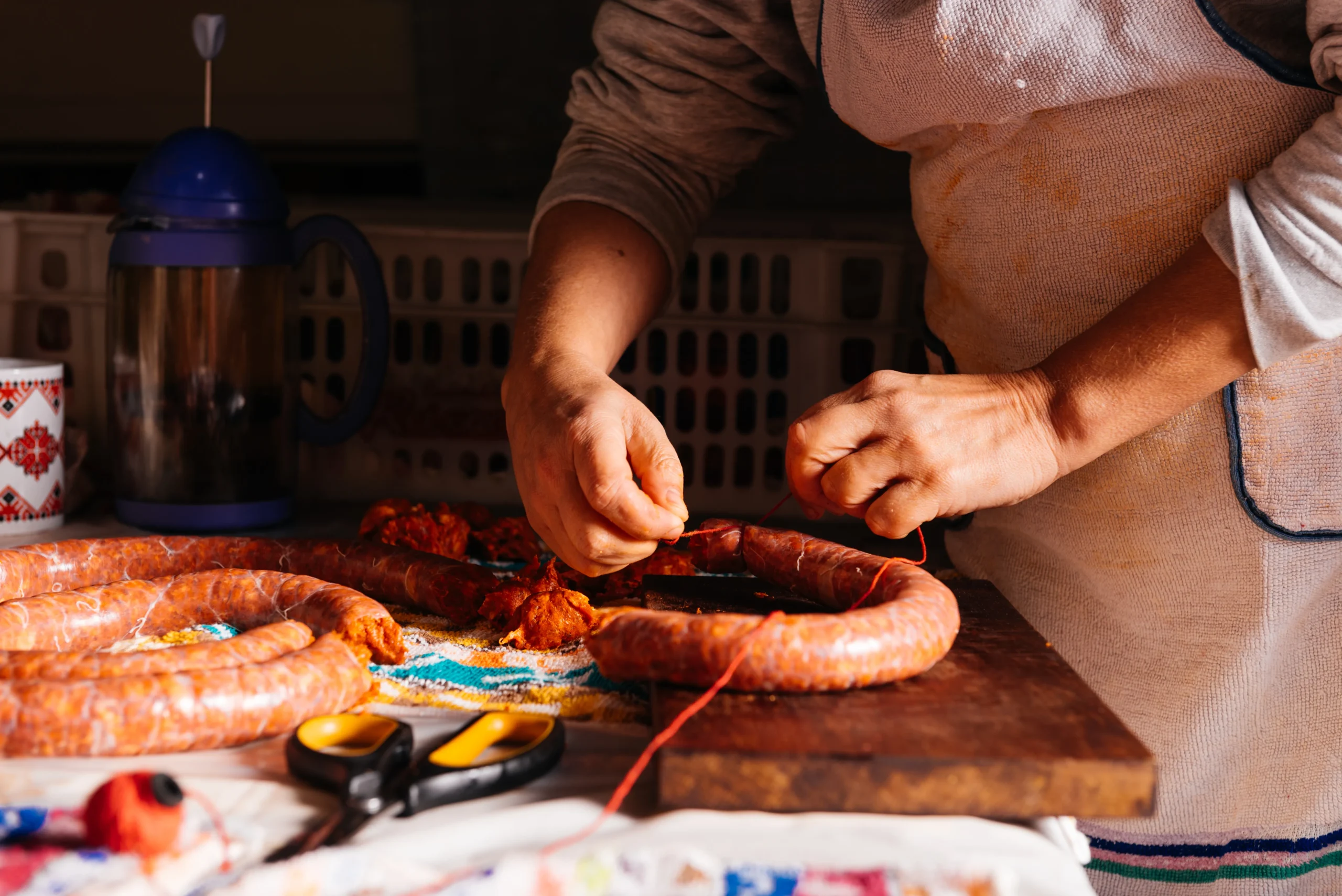
The smell of homemade chorizo cooking in a hot pan is enough to stop anyone in their tracks. Smoky paprika fills the kitchen, garlic and herbs release their aroma, and the rich flavor of seasoned pork creates the kind of comfort food experience people remember for years. Authentic Spanish chorizo is more than sausage — it’s tradition, craftsmanship, and bold flavor packed into every slice.
If you’ve only tasted supermarket versions, you may not realize how different homemade chorizo can be. Freshly prepared Spanish-style chorizo has a deeper smoky profile, better texture, and a balance of seasoning that feels impossible to replicate with mass-produced products.
The best part is that you can make it yourself at home. Once you understand the ingredients, techniques, and curing basics, creating authentic chorizo becomes surprisingly rewarding.
This guide walks you through everything you need to know about making a traditional Spanish chorizo recipe from scratch, including ingredients, equipment, preparation, cooking tips, and expert advice for achieving restaurant-quality results.
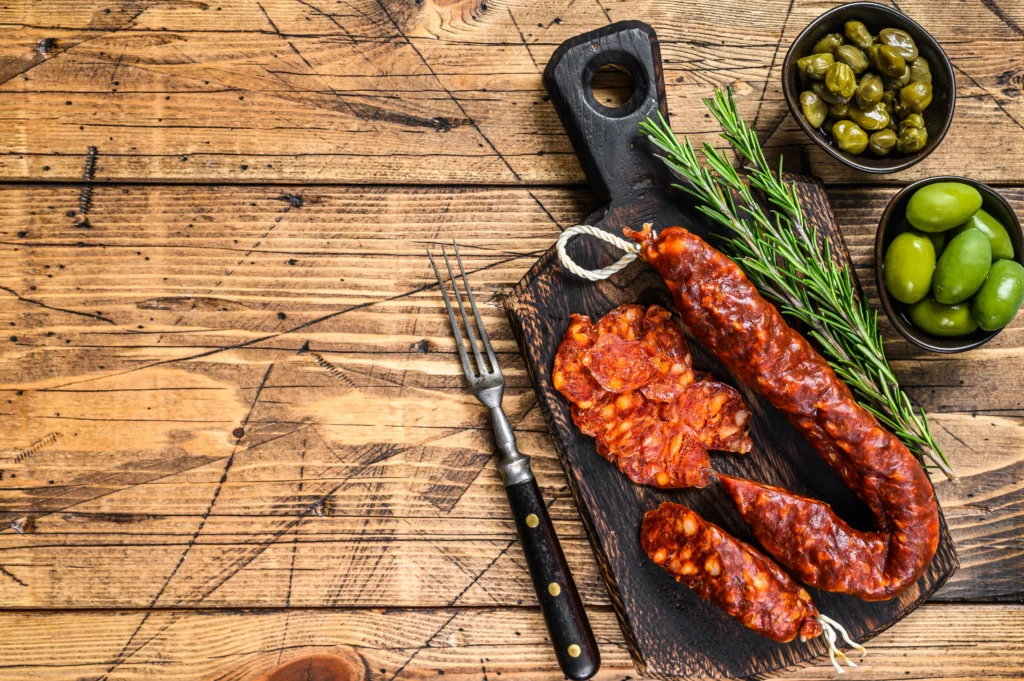
What Is Chorizo? Understanding Traditional Spanish Chorizo
Chorizo is a seasoned pork sausage widely associated with Spanish cuisine. Its signature red color and smoky flavor come primarily from smoked paprika, which remains one of the defining ingredients in authentic Spanish chorizo recipes.
Unlike many fresh sausages, Spanish chorizo is often cured or semi-cured, giving it a firmer texture and concentrated flavor.
Traditional Spanish chorizo typically includes:
- Pork shoulder
- Pork fat
- Garlic
- Smoked paprika
- Salt
- Herbs
- Wine
The result is a savory sausage that works beautifully in tapas dishes, soups, sandwiches, rice recipes, and grilled platters.
The History of Spanish Chorizo
Spanish chorizo has deep roots in rural cooking traditions. Families historically prepared sausage after seasonal pig slaughtering, using curing techniques to preserve meat for long periods.
Paprika became essential to chorizo after peppers arrived in Spain from the Americas centuries ago. Over time, smoked paprika transformed Spanish sausage-making and gave chorizo its famous flavor.
Today, different regions of Spain produce unique versions:
- Some are spicy
- Others are mild
- Certain varieties are heavily smoked
- Some include additional herbs or wine blends
Even with regional differences, traditional methods remain central to authentic chorizo production.
Spanish Chorizo vs Mexican Chorizo
Many people confuse Spanish and Mexican chorizo, but they are very different products.
| Feature | Spanish Chorizo | Mexican Chorizo |
|---|---|---|
| Texture | Firm and cured | Raw and loose |
| Main Spice | Smoked paprika | Chili peppers |
| Preparation | Often cured | Fresh sausage |
| Flavor | Smoky and savory | Spicy and tangy |
| Cooking | Sometimes ready-to-eat | Must be fully cooked |
Spanish chorizo delivers a smoky richness, while Mexican chorizo usually has a fresher and more aggressive spice profile.
Why You’ll Love This Authentic Chorizo Recipe
Making homemade chorizo gives you complete control over flavor and quality.
Unlike store-bought sausage loaded with preservatives and fillers, homemade versions allow you to choose fresh ingredients and customize seasoning to your taste.
What Makes This Recipe Authentic?
Authentic Spanish chorizo depends on several key elements:
- High-quality pork
- Proper fat ratio
- Smoked Spanish paprika
- Slow curing or resting
- Balanced seasoning
Each ingredient contributes to the final flavor.
Paprika is especially important. Spanish smoked paprika, often labeled Pimentón, creates the deep red color and smoky aroma associated with traditional chorizo.
Homemade vs Store-Bought Chorizo
Homemade chorizo offers several advantages:
Better Flavor
Fresh seasoning creates a richer and more natural taste.
Ingredient Control
You avoid unnecessary preservatives, excess sodium, and artificial additives.
Adjustable Spice
You control heat levels from mild to fiery.
Superior Texture
Freshly ground meat creates a more satisfying bite.
Once you try homemade Spanish chorizo, packaged versions often feel disappointing by comparison.
Essential Ingredients for Traditional Spanish Chorizo
The secret to exceptional chorizo starts with quality ingredients.
Core Chorizo Ingredients
| Ingredient | Quantity | Purpose |
|---|---|---|
| Pork shoulder | 5 lbs | Main meat base |
| Pork fat | 1 lb | Moisture and richness |
| Smoked paprika | 4 tbsp | Signature smoky flavor |
| Garlic cloves | 6 | Savory depth |
| Salt | 2 tbsp | Preservation and seasoning |
| Black pepper | 1 tbsp | Mild spice |
| Oregano | 2 tsp | Herbal flavor |
| Red wine | 1/2 cup | Adds richness |
| Natural casings | As needed | Holds sausage shape |
Optional Flavor Additions
You can personalize your chorizo recipe with:
- Cayenne pepper
- Chili flakes
- Thyme
- Cumin
- Crushed coriander seeds
These additions create subtle flavor variations without losing the traditional character of Spanish chorizo.
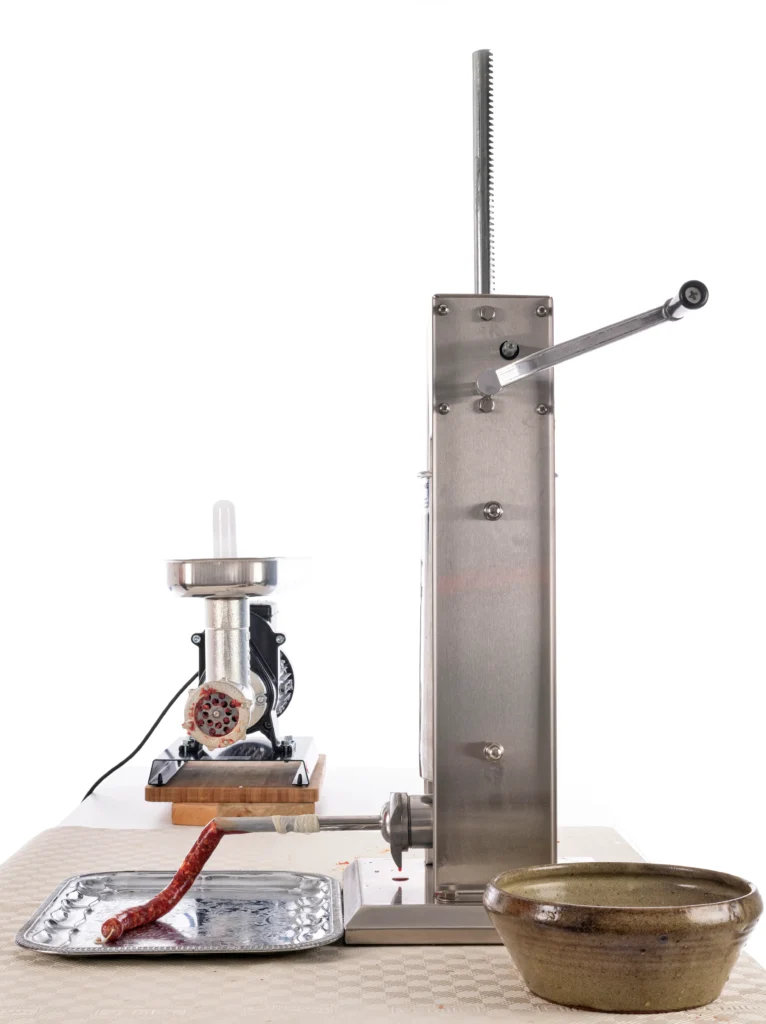
Equipment Needed for Homemade Chorizo Recipe
Making sausage at home becomes much easier with proper equipment.
Essential Tools
You’ll need:
- Meat grinder
- Sausage stuffer
- Large mixing bowls
- Sharp knife
- Kitchen scale
- Food-safe gloves
While basic tools work for beginners, quality equipment improves texture and consistency significantly.
Best Sausage Casings for Chorizo
Natural pork casings remain the preferred option for traditional Spanish chorizo.
They provide:
- Better texture
- Authentic snap
- Improved airflow during curing
Before use:
- Rinse casings thoroughly
- Soak them in warm water
- Flush water through the inside
Proper casing preparation prevents tearing during stuffing.
Step-by-Step Authentic Chorizo Recipe Instructions
Now comes the rewarding part — making your own chorizo.
Step 1: Prepare the Meat
Start by trimming excess connective tissue from the pork shoulder.
Cut the pork and fat into small cubes.
Place the meat in the freezer for 30–45 minutes before grinding.
Why Cold Meat Matters
Cold meat:
- Grinds more evenly
- Maintains proper texture
- Prevents smearing of fat
Temperature control is one of the biggest secrets in sausage making.
Step 2: Mix the Seasonings
In a large bowl, combine:
- Smoked paprika
- Garlic
- Salt
- Pepper
- Oregano
- Wine
Add the chilled ground pork and mix thoroughly until the seasoning becomes evenly distributed.
Many sausage makers allow the mixture to rest overnight for deeper flavor development.
Step 3: Grind the Meat
Pass the chilled pork through a meat grinder using a medium grinding plate.
Avoid overhandling the meat.
The ideal texture should remain slightly coarse rather than overly smooth.
Step 4: Stuff the Casings
Attach the casing to your sausage stuffer and slowly fill it with the meat mixture.
Avoid packing the casing too tightly.
Twist the sausage into links every few inches.
Common Stuffing Mistakes to Avoid
Overfilling
Tight casings can burst easily.
Air Pockets
Trapped air affects texture and curing.
Uneven Links
Inconsistent sizing causes uneven cooking.
Take your time during this step for professional-looking results.
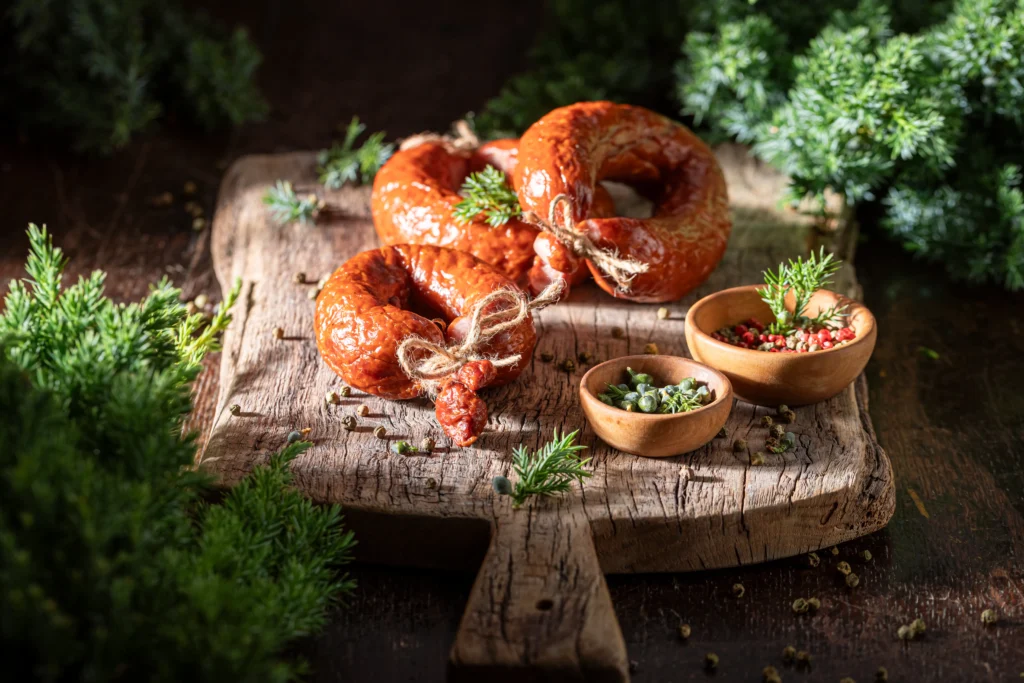
Curing and Drying Traditional Spanish Chorizo
Authentic Spanish chorizo often undergoes a curing process that intensifies flavor and improves preservation.
Basic Curing Guidelines
Traditional curing requires:
- Cool temperatures
- Controlled humidity
- Good airflow
Typical curing times range from:
- Several days for semi-cured sausage
- Several weeks for fully cured chorizo
If you’re new to sausage curing, start with fresh chorizo recipes before attempting long-term curing methods.
Food Safety Tips
Always:
- Keep meat cold
- Sanitize equipment
- Monitor curing conditions carefully
- Store sausage properly
Food safety matters greatly when working with homemade cured meats.
How to Cook and Serve Spanish Chorizo
Spanish chorizo is incredibly versatile.
Its smoky flavor works in countless dishes.
Best Cooking Methods
Pan-Frying
Creates crispy edges and deep flavor.
Grilling
Adds char and smokiness.
Roasting
Perfect for larger portions.
Slicing for Tapas
Serve thin slices with bread and cheese.
Traditional Spanish Serving Ideas
Spanish chorizo shines in classic recipes.
| Dish | How Chorizo Is Used |
|---|---|
| Paella | Cooked with rice and seafood |
| Tapas platters | Served with olives and cheese |
| Breakfast skillets | Mixed with eggs and potatoes |
| Sandwiches | Grilled in crusty bread |
| Soups and stews | Adds smoky depth |
Its versatility makes it one of the most useful sausages in Mediterranean cooking.
Flavor Variations for Homemade Chorizo Recipe
Once you master the basics, you can experiment with different styles.
Spicy Spanish Chorizo
For more heat, add:
- Hot smoked paprika
- Chili flakes
- Cayenne pepper
This variation delivers a stronger kick while keeping traditional smoky notes.
Mild Family-Style Chorizo
Prefer a gentler flavor?
Use:
- Sweet smoked paprika
- Reduced pepper quantities
- Extra herbs
This version works especially well for children or mild palates.
Rustic Smoked Chorizo
If you own a smoker, lightly smoke the sausage using:
- Oak wood
- Apple wood
- Hickory
Smoking deepens the flavor dramatically.
Common Mistakes to Avoid When Making Chorizo
Even experienced cooks sometimes make errors that affect the final product.
Using Warm Meat
Warm meat causes poor texture and uneven fat distribution.
Always keep ingredients cold.
Incorrect Fat Ratio
Too little fat creates dry sausage.
Too much fat creates greasy texture.
A balanced ratio delivers the best results.
Overseasoning
Paprika and salt are powerful ingredients.
Measure carefully.
Rushing the Process
Flavor improves with resting and curing time.
Patience matters in traditional sausage making.
Nutritional Information for Homemade Chorizo
Homemade chorizo can be richer and more natural than heavily processed store-bought products.
Nutrition Breakdown
| Nutrient | Approximate Amount |
|---|---|
| Calories | 250–350 |
| Protein | 15–20g |
| Fat | 20–28g |
| Carbohydrates | 1–3g |
Values vary depending on fat content and seasoning.
Is Homemade Chorizo Healthier?
Homemade versions allow:
- Better ingredient quality
- Lower sodium adjustments
- Fewer preservatives
- Cleaner seasoning blends
You control exactly what goes into your food.
Expert Tips for Perfect Traditional Spanish Chorizo
Small details often create the biggest improvements.
Chill Equipment Before Use
Cold grinders and bowls help maintain texture.
Rest the Sausage Overnight
Allowing the sausage to rest enhances flavor distribution.
Use High-Quality Paprika
Cheap paprika lacks authentic smokiness.
Spanish smoked paprika makes a major difference.
Store Properly
Fresh chorizo should remain refrigerated and consumed within several days.
You can also freeze sausage for longer storage.
Vacuum sealing helps preserve flavor and freshness.
FAQ About Authentic Chorizo Recipe
What Makes an Authentic Chorizo Recipe Traditional?
Traditional Spanish chorizo uses pork, smoked paprika, garlic, and classic curing methods.
Can You Freeze Homemade Chorizo?
Yes. Properly wrapped chorizo freezes well for several months.
Is Spanish Chorizo Already Cooked?
Some cured varieties are ready to eat, while fresh chorizo requires cooking.
Always check preparation style before serving.
What Is the Best Meat for Chorizo Recipe?
Pork shoulder is ideal because it contains a balanced combination of meat and fat.
How Long Does Homemade Chorizo Last?
Fresh chorizo typically lasts:
- 3–5 days refrigerated
- Several months frozen
Cured versions last longer depending on drying conditions.
Conclusion: Why This Authentic Chorizo Recipe Is Worth Making at Home
Homemade Spanish chorizo delivers something store-bought sausage rarely can — real depth of flavor, authentic smokiness, and the satisfaction of creating traditional food with your own hands.
From selecting quality pork to balancing paprika and garlic perfectly, every step contributes to a sausage packed with character and rich Spanish flavor. Whether you serve it grilled, sliced for tapas, or folded into hearty meals, homemade chorizo brings warmth and boldness to your kitchen.
Now it’s your turn to create your own authentic chorizo recipe at home. Experiment with spice levels, explore different smoking techniques, and discover the version that matches your taste perfectly.
If you try this recipe, share your favorite variation or serving idea and inspire other food lovers to experience authentic Spanish chorizo the traditional way.
Table of Contents
https://www.allrecipes.com/gallery/the-best-recipes-with-chorizo/
This Hashbrown Casserole Disappears in Minutes! – labelrecipes.com