

There’s something deeply comforting about warm cheddar cheese sauce. The rich aroma, silky texture, and bold cheesy flavor instantly turn ordinary food into something impossible to resist. Whether you’re pouring it over crispy fries, dipping soft pretzels into it, or folding it into homemade macaroni, a good cheddar cheese sauce has the power to transform a simple meal into pure comfort food.
But if you’ve ever tried making cheese sauce at home, you already know it can go wrong fast. One moment it looks smooth and creamy, and the next it becomes grainy, oily, or thick like paste. That frustration keeps many people reaching for store-bought versions loaded with preservatives and artificial flavors.
The good news is that making a perfect cheddar cheese sauce recipe at home is much easier than it seems. Once you understand how cheese melts, how heat affects texture, and which ingredients matter most, you can create a restaurant-quality sauce in your own kitchen.
This guide will show you exactly how to make smooth, creamy cheddar cheese sauce that melts beautifully every single time.
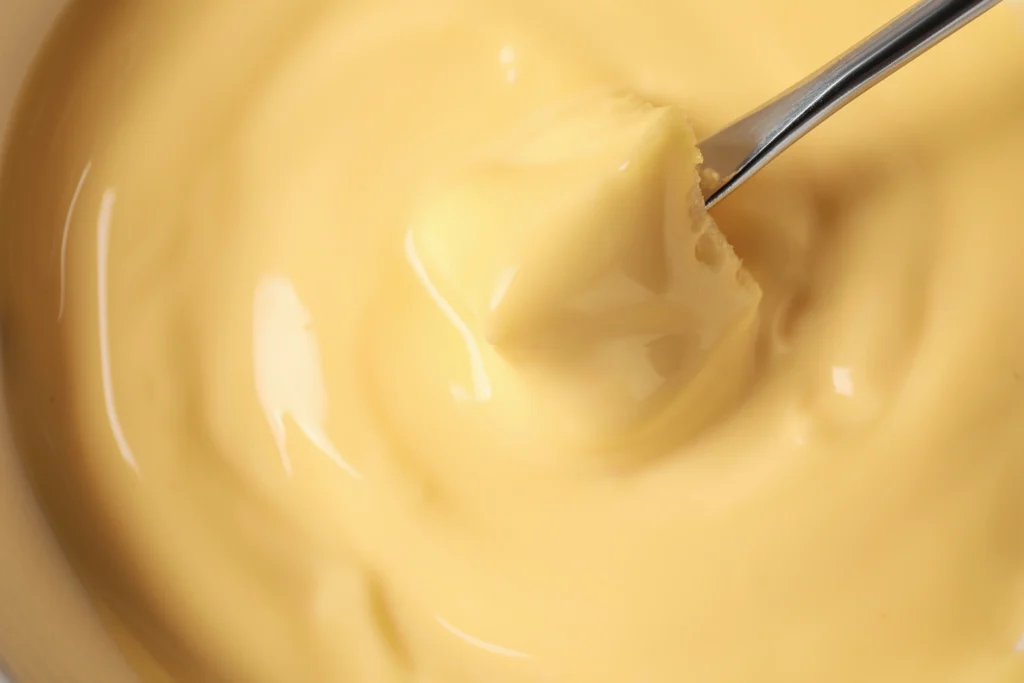
What Is Cheddar Cheese Sauce?
Cheddar cheese sauce is a creamy mixture made from cheddar cheese, milk, butter, and a thickening agent such as flour. It’s widely used as a topping, dip, or sauce for comfort foods and appetizers.
Unlike basic melted cheese, a proper cheese sauce has:
- A silky texture
- Balanced flavor
- Stable consistency
- Smooth melting quality
The best homemade cheddar cheese sauce delivers richness without becoming greasy or clumpy.
You’ll commonly find cheddar cheese sauce served with:
- Nachos
- French fries
- Burgers
- Pretzels
- Vegetables
- Pasta dishes
Because it’s versatile and easy to customize, it remains one of the most popular homemade sauces worldwide.
Why Homemade Cheese Sauce Tastes Better
Store-bought cheese sauces often contain:
- Artificial flavors
- Stabilizers
- Excess sodium
- Processed oils
Homemade cheese sauce gives you full control over quality and flavor.
Benefits of Homemade Cheddar Cheese Sauce
Fresher Flavor
Fresh cheese and dairy create a richer and cleaner taste.
Better Texture
You avoid the rubbery consistency found in many packaged sauces.
Adjustable Thickness
You can make the sauce thick for dipping or thinner for drizzling.
Customizable Seasoning
You control:
- Spice level
- Saltiness
- Garlic intensity
- Smokiness
Homemade versions simply taste more authentic.
Why This Cheddar Cheese Sauce Recipe Melts Perfectly
The biggest challenge when making cheese sauce is achieving smooth texture without separation.
Perfect cheese sauce depends on balance.
The Secret to Smooth Cheese Sauce
Several factors determine whether your sauce becomes creamy or grainy.
Low Heat Matters
Cheese proteins break apart under excessive heat. When this happens, the sauce separates into oily fat and clumps.
Gentle heat keeps the sauce smooth.
Freshly Grated Cheese Works Better
Pre-shredded cheese contains anti-caking agents that interfere with melting.
Freshly grated cheddar melts more evenly and creates a creamier sauce.
The Roux Creates Stability
A roux — made from butter and flour — acts as the foundation of the sauce.
It:
- Thickens the liquid
- Prevents separation
- Improves texture
Skipping this step often leads to inconsistent results.
Best Types of Cheddar for Cheese Sauce
Not all cheddar melts the same way.
| Cheddar Type | Flavor | Melting Quality |
|---|---|---|
| Mild cheddar | Smooth and creamy | Excellent |
| Sharp cheddar | Bold and tangy | Very good |
| Extra sharp cheddar | Intense flavor | Moderate |
| White cheddar | Rich and buttery | Excellent |
For the best balance, many cooks combine mild and sharp cheddar together.
This creates:
- Smooth texture
- Rich flavor
- Better melting performance
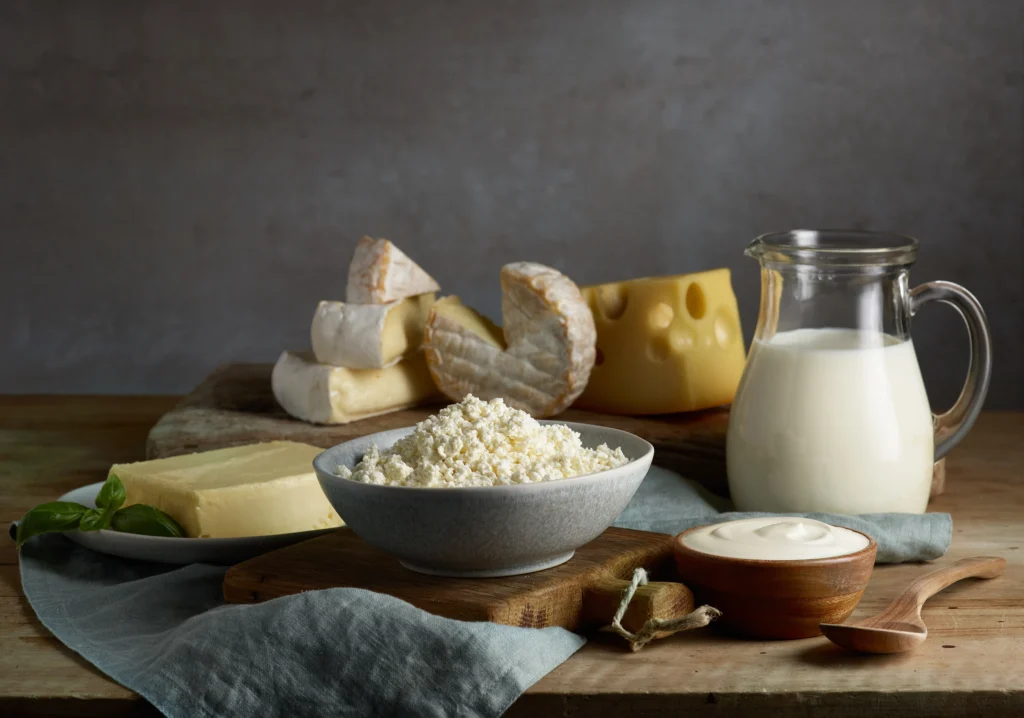
Essential Ingredients for the Best Cheddar Cheese Sauce Recipe
Quality ingredients make a major difference.
Core Ingredients
| Ingredient | Quantity | Purpose |
|---|---|---|
| Cheddar cheese | 2 cups | Main flavor |
| Butter | 2 tbsp | Richness |
| Flour | 2 tbsp | Thickening |
| Milk | 2 cups | Creamy texture |
| Salt | 1/2 tsp | Flavor enhancement |
| Black pepper | 1/4 tsp | Mild spice |
| Garlic powder | 1/2 tsp | Savory depth |
Optional Flavor Additions
You can customize your cheddar cheese sauce recipe with:
- Jalapeños
- Hot sauce
- Smoked paprika
- Mustard powder
- Cream cheese
- Cayenne pepper
Small additions create completely different flavor profiles.
Equipment Needed to Make Cheese Sauce
Making smooth cheddar cheese sauce doesn’t require complicated tools.
Essential Equipment
You’ll need:
- Medium saucepan
- Whisk
- Cheese grater
- Measuring cups
- Silicone spatula
A whisk is especially important because it helps prevent lumps while incorporating milk smoothly.
Why Freshly Grated Cheese Matters
Freshly grated cheese melts dramatically better than packaged shredded cheese.
Pre-shredded cheese contains starches and preservatives designed to prevent sticking. Unfortunately, these additives also interfere with smooth melting.
Fresh cheese creates:
- Silkier sauce
- Better flavor
- Creamier texture
Taking a few extra minutes to grate cheese yourself is worth it.
Step-by-Step Cheddar Cheese Sauce Recipe Instructions
Now it’s time to make the sauce.
Follow these steps carefully for the smoothest results.
Step 1 – Make the Roux
Place a saucepan over medium-low heat.
Add butter and allow it to melt completely.
Whisk in the flour gradually.
Continue whisking for about 1–2 minutes until the mixture becomes lightly golden.
Why This Step Matters
Cooking the flour removes raw flavor while creating the thickening base that stabilizes the sauce.
Avoid browning the roux too much.
Step 2 – Add the Milk Slowly
Slowly pour milk into the saucepan while whisking continuously.
This prevents lumps from forming.
Continue cooking until the mixture thickens slightly.
The texture should resemble light cream.
Step 3 – Melt the Cheese
Reduce the heat to low.
Gradually add shredded cheddar cheese in small handfuls.
Stir continuously until fully melted before adding more cheese.
Common Cheese Melting Mistakes
Using High Heat
This causes separation and grainy texture.
Adding Cheese Too Quickly
Large amounts cool unevenly and clump together.
Using Cold Cheese
Room-temperature cheese melts more smoothly.
Patience makes all the difference.
How to Keep Cheese Sauce Smooth and Creamy
Consistency is everything when making cheddar cheese sauce.
Best Temperature Tips
To maintain smooth texture:
- Keep heat low
- Stir continuously
- Never allow the sauce to boil
Boiling damages cheese proteins quickly.
How to Fix Grainy Cheese Sauce
If your sauce becomes grainy, don’t panic.
Try:
- Lowering the heat immediately
- Adding a splash of warm milk
- Whisking thoroughly
Sometimes you can restore the texture before the sauce fully separates.
How to Reheat Cheese Sauce Properly
Cheese sauce thickens as it cools.
To reheat:
- Use low stovetop heat
- Add milk gradually
- Stir continuously
Avoid microwaving on high power because it overheats the cheese unevenly.
Delicious Ways to Use Cheddar Cheese Sauce
One of the best things about cheddar cheese sauce is versatility.
It works with countless dishes.
Classic Comfort Food Pairings
Cheddar cheese sauce tastes incredible with:
- Nachos
- French fries
- Macaroni
- Burgers
- Hot dogs
- Baked potatoes
The creamy richness balances salty and crispy foods beautifully.
Creative Serving Ideas
You can also use cheese sauce as:
- Vegetable topping
- Pretzel dip
- Philly cheesesteak drizzle
- Breakfast potato sauce
- Sandwich spread
Its flexibility makes it a valuable recipe for almost any kitchen.
Serving Ideas Table
| Dish | How Cheese Sauce Is Used |
|---|---|
| Nachos | Drizzled over tortilla chips |
| Fries | Loaded topping |
| Broccoli | Creamy vegetable sauce |
| Burgers | Melted topping |
| Pretzels | Warm dipping sauce |
Flavor Variations for Cheddar Cheese Sauce Recipe
Once you master the classic version, experimenting becomes fun.
Spicy Cheese Sauce
Add:
- Jalapeños
- Hot sauce
- Cayenne pepper
- Pepper jack cheese
This variation works especially well for nachos and tacos.
Smoky Cheese Sauce
For deeper flavor, add:
- Smoked paprika
- Smoked cheddar
- Chipotle powder
This version pairs perfectly with grilled meats.
Garlic Parmesan Cheese Sauce
Mix cheddar with parmesan and roasted garlic for a richer, more complex sauce.
Excellent for:
- Pasta
- Breadsticks
- Roasted vegetables
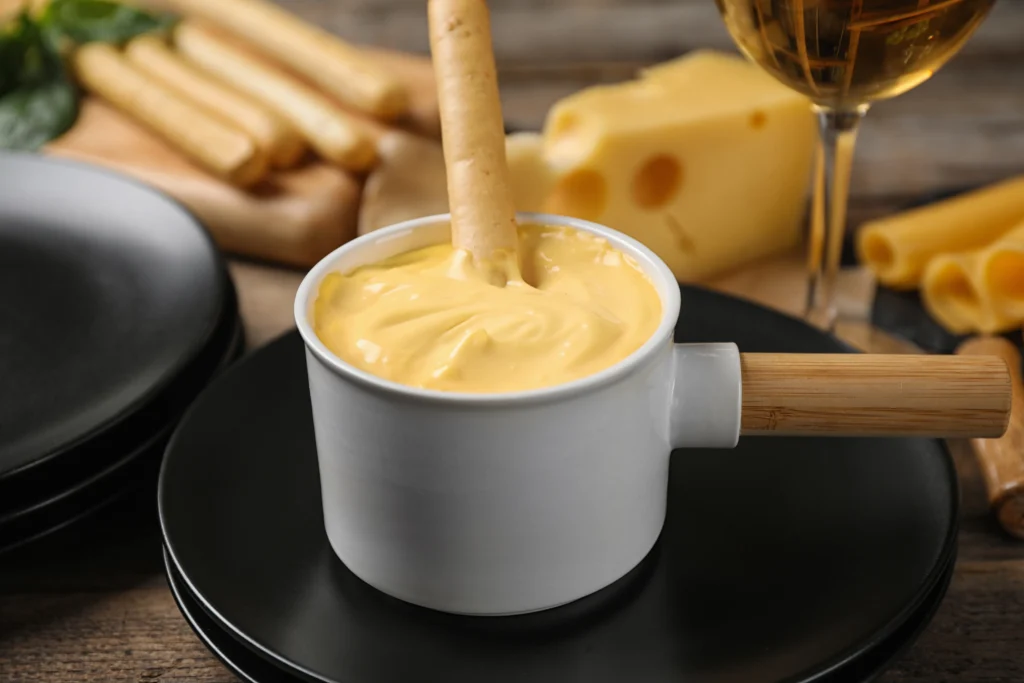
Common Mistakes to Avoid When Making Cheese Sauce
Even simple recipes can fail if certain details are ignored.
Using High Heat
The number one mistake is overheating the sauce.
Cheese melts best slowly.
Using Pre-Shredded Cheese
Fresh cheese always performs better.
Over-Thickening the Sauce
Too much flour creates heavy texture.
The sauce should remain smooth and pourable.
Skipping Seasoning
Cheese sauce still needs proper seasoning balance.
Salt, pepper, and garlic elevate flavor significantly.
Why Cheese Sauce Separates
Cheese sauce separates when:
- Heat becomes excessive
- Fat breaks away from proteins
- Liquid balance changes
Maintaining steady low heat prevents most texture issues.
Nutritional Information for Homemade Cheese Sauce
Homemade cheddar cheese sauce is rich and satisfying.
Approximate Nutrition Breakdown
| Nutrient | Approximate Amount |
|---|---|
| Calories | 180–250 |
| Protein | 8–12g |
| Fat | 14–18g |
| Carbohydrates | 6–10g |
Values vary depending on cheese type and milk selection.
Can Cheese Sauce Be Made Lighter?
Yes.
You can reduce calories by:
- Using low-fat milk
- Reducing butter
- Using smaller cheese portions
- Adding pureed vegetables for creaminess
The flavor remains satisfying while lowering heaviness.
Expert Tips for Restaurant-Quality Cheddar Cheese Sauce
Professional kitchens rely on small details that improve consistency.
Mix Multiple Cheeses
Combining cheddar with:
- Monterey Jack
- Gouda
- Parmesan
creates more balanced flavor and texture.
Use Room-Temperature Ingredients
Cold ingredients cool the sauce unevenly and slow melting.
Add Sodium Citrate
Some chefs use sodium citrate for ultra-smooth texture.
It stabilizes cheese proteins and prevents separation.
Storage and Make-Ahead Tips
Cheese sauce stores surprisingly well.
Refrigeration
Store in an airtight container for up to 4 days.
Freezing
Freezing is possible, although texture may change slightly after thawing.
Reheat slowly with extra milk for best results.
FAQ About Cheddar Cheese Sauce Recipe
What Is the Best Cheese for a Cheddar Cheese Sauce Recipe?
Mild and sharp cheddar together usually provide the best flavor and melting balance.
Why Did My Cheese Sauce Turn Grainy?
High heat and pre-shredded cheese are the most common causes.
Can You Freeze Homemade Cheese Sauce?
Yes, although the texture may require adjustment during reheating.
How Do You Thin Thick Cheese Sauce?
Add warm milk gradually while stirring over low heat.
Can Cheddar Cheese Sauce Be Made Without Flour?
Yes.
You can use:
- Cornstarch
- Cream cheese
- Sodium citrate
as alternative stabilizers.
Conclusion: Why This Cheddar Cheese Sauce Recipe Belongs in Your Kitchen
A smooth, creamy cheddar cheese sauce recipe is one of the most useful comfort food staples you can master. It’s quick, versatile, affordable, and capable of turning simple ingredients into rich and satisfying meals.
Once you understand the importance of low heat, fresh cheese, and balanced texture, homemade cheese sauce becomes incredibly easy to make. From nachos and fries to vegetables and pasta, this sauce fits into countless dishes while delivering bold cheddar flavor every time.
Now it’s your turn to grab your saucepan, shred fresh cheddar, and create a cheese sauce that melts perfectly from the very first bite.
If you try this recipe, experiment with your own flavor twists and share your favorite serving ideas with fellow cheese lovers.
Table of Contents
How to Make Cheese Sauce From Scratch
Flavor Packed Bloody Mary Recipe for Cocktail Lovers – labelrecipes.com