
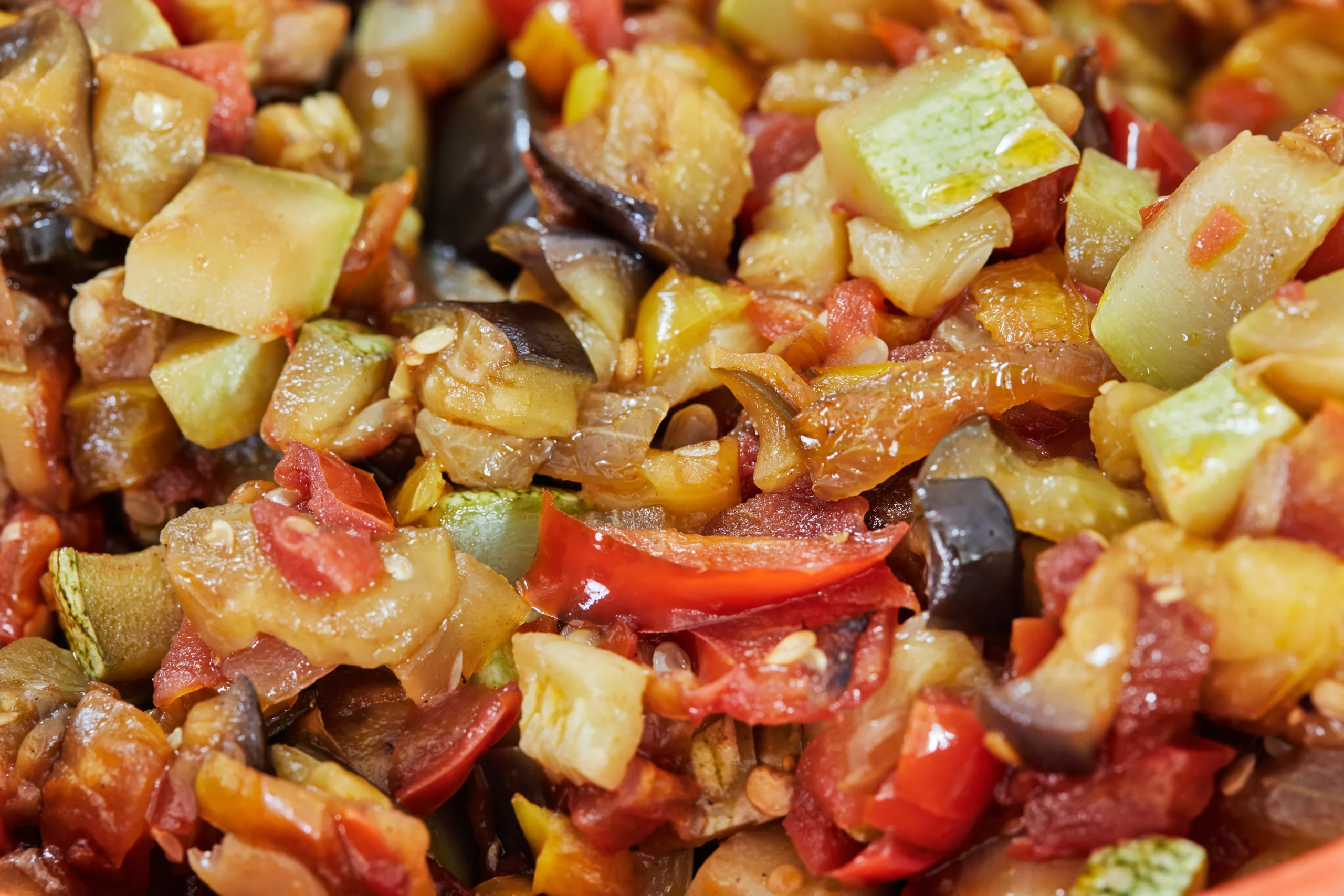
Have you ever tasted a dish that transforms a few simple vegetables into something memorable? That is the magic of Sicilian caponata. With tender eggplant, sweet onions, crisp celery, tangy vinegar, briny olives, and juicy tomatoes, this traditional Italian recipe delivers a delicious balance of sweet, sour, and savory flavors without requiring expensive ingredients.
If you love Mediterranean food but want to keep your grocery bill under control, this budget-friendly version deserves a place in your kitchen. You can prepare a generous batch for less than $7 using affordable vegetables and pantry staples. Serve it with crusty bread, spoon it over pasta, or enjoy it as a colorful side dish with your favorite main course.
What makes this recipe especially practical is its versatility. You can serve it warm, at room temperature, or chilled, and the flavors often become even better after resting overnight. That means you can prepare it ahead of time and enjoy delicious meals throughout the week.
In this guide, you’ll learn how to make authentic-inspired Sicilian caponata, balance its signature sweet-and-sour flavor, shop for ingredients on a budget, and store leftovers safely.
Recipe Overview
Sicilian caponata is a traditional vegetable dish from Sicily, the Italian island known for its distinctive Mediterranean cuisine. Eggplant is the main ingredient, complemented by vegetables, olives, capers, and a sweet-and-sour dressing.
This affordable version keeps the preparation simple while preserving the flavors that make caponata special.
| Recipe detail | Information |
|---|---|
| Preparation time | 15 minutes |
| Cooking time | 30 minutes |
| Total time | 45 minutes |
| Servings | 4 |
| Estimated budget | Under $7 |
| Estimated cost per serving | About $1.52 |
| Cuisine | Sicilian, Italian |
| Course | Appetizer, side dish, or light lunch |
| Cooking method | Stovetop |
| Difficulty | Easy |
| Dietary suitability | Vegan and vegetarian; naturally gluten-free with suitable ingredients |
The cost estimate is based on the ingredient quantities and example U.S. retail prices in the pricing table below. Actual local prices may differ.
Ingredients for Budget-Friendly Sicilian Caponata
The beauty of this recipe is that you don’t need a long shopping list. Most ingredients are everyday vegetables or pantry staples that you can use in other meals.
Complete ingredient list
| Ingredient | Quantity | Purpose |
|---|---|---|
| Eggplant | 1 medium, about 1 lb | Provides the tender, hearty base |
| Celery | 1 bunch | Adds texture and a savory flavor |
| Yellow onion | 1 medium | Creates sweetness and depth |
| Green olives | ¼ cup, chopped | Adds saltiness and briny flavor |
| Capers | 1 tablespoon, drained | Contributes a tangy, salty note |
| Raisins | 2 tablespoons | Balances the vinegar with natural sweetness |
| Tomato paste | 2 tablespoons | Deepens the tomato flavor |
| Extra-virgin olive oil | 2 tablespoons | Helps cook the vegetables |
| Red wine vinegar | 3 tablespoons | Creates the signature sweet-and-sour taste |
| Water | ¼–½ cup | Helps the vegetables simmer |
| Salt and black pepper | To taste | Finishes the seasoning |
You can add a teaspoon of sugar if you prefer a sweeter sauce, but taste the dish first. The onions and raisins already contribute sweetness.
Choosing the best eggplant
Look for an eggplant with smooth, glossy skin and firm flesh. It should feel heavy for its size without soft spots or wrinkled areas.
A medium globe eggplant is a practical choice because it is widely available in American grocery stores. Japanese eggplant can also work, although you may need several smaller ones to obtain the same amount.
Why olives, capers, and vinegar matter
These ingredients create the distinctive character of caponata.
Olives provide a savory, salty flavor, while capers bring a sharper tang. Red wine vinegar cuts through the richness of the eggplant and olive oil, creating the sweet-and-sour balance associated with the dish.
Raisins are optional in some regional interpretations, but they are a convenient, inexpensive way to add sweetness without relying heavily on sugar.
Step-by-Step Instructions
You can prepare the entire recipe in one large skillet or Dutch oven. A wide pan works best because it allows moisture to evaporate and helps the eggplant cook evenly.
Step 1: Prepare the vegetables
Wash and dry the eggplant, remove the stem, and cut it into cubes approximately ¾ inch wide.
Chop the celery and onion into small pieces. Roughly chop the olives and drain the capers.
Keep the pieces reasonably uniform. This helps the vegetables cook at a similar rate and gives the finished dish a more consistent texture.
If you have previously found eggplant bitter, sprinkle the cubes lightly with salt and leave them in a colander for 20–30 minutes. Pat them dry before cooking. This step is optional for most modern eggplants.
Step 2: Cook the eggplant
Heat one tablespoon of olive oil in a large skillet over medium heat.
Add the eggplant cubes and cook for approximately 8–12 minutes, stirring occasionally. You’re looking for tender centers and lightly browned edges.
Avoid filling the pan too tightly. If the eggplant pieces are crowded, they release moisture and steam instead of browning.
Transfer the cooked eggplant to a plate. If your skillet is small, cook the eggplant in batches.
Step 3: Soften the onion and celery
Add the remaining tablespoon of olive oil to the skillet.
Stir in the chopped onion and celery and cook for 7–9 minutes, stirring regularly. The onion should become translucent, and the celery should begin to soften without losing all its texture.
If the vegetables stick to the pan, add a tablespoon of water rather than pouring in more oil immediately.
This stage creates the flavor base for your sauce, so allow enough time for the vegetables to soften.
Step 4: Build the sauce
Add the tomato paste to the onion and celery mixture. Stir for about one minute to deepen its flavor.
Add the olives, capers, raisins, and ¼ cup of water. Stir well, scraping up any browned bits from the bottom of the pan.
Return the eggplant to the skillet and fold the ingredients together gently.
Step 5: Add the sweet-and-sour finish
Pour in the red wine vinegar and stir to distribute it throughout the vegetables.
Lower the heat and simmer for 8–12 minutes. Add a little more water if the mixture becomes too dry before the vegetables are fully tender.
Taste the sauce before adding salt because both olives and capers can be quite salty.
If the flavor is too sharp, simmer for a few additional minutes. If you want a sweeter finish, add a small pinch of sugar and taste again.
The goal is a balanced dish in which the sweetness, acidity, and savory ingredients complement one another.
Step 6: Let the flavors develop
Remove the skillet from the heat and let the caponata cool for 15–20 minutes.
You can eat it immediately, but allowing it to rest for several hours often produces a more harmonious flavor. Refrigerating it overnight is an excellent option if you’re preparing it for the following day’s lunch or dinner.
Before serving, taste it once more and adjust the seasoning if necessary.
Cooking Tips for Better Results
A few simple techniques help you achieve tender vegetables without a greasy or watery result.
Avoid excessive oil
Eggplant absorbs oil readily, which can increase both the cost and calorie content of your recipe.
Start with the recommended two tablespoons. If the pan becomes dry, add a small splash of water or a little additional oil only when needed.
Keep the vegetables slightly chunky
Caponata should not resemble a smooth vegetable purée. Cut the ingredients into bite-sized pieces and stir gently to help them retain their shape.
Adjust the vinegar gradually
Different vinegars vary in acidity. If you’re sensitive to sour flavors, begin with two tablespoons and add the remaining tablespoon gradually while tasting.
Remember that the flavor may become more balanced after the dish rests.
Use a wide skillet
A wide cooking surface allows moisture to escape more easily. This helps prevent the sauce from becoming watery and gives the eggplant more opportunity to brown.
Variations and Substitutions
One reason caponata works so well as a budget recipe is that you can adapt it to your pantry.
Make it without raisins
Leave out the raisins if you prefer a more savory flavor. Add a little sugar only if the finished dish tastes too acidic.
Substitute black olives
Black olives can replace green olives. They may produce a milder flavor, so taste the finished dish before deciding whether you need additional capers or vinegar.
Use fresh or canned tomatoes
Replace the tomato paste with chopped fresh tomatoes or canned diced tomatoes if you already have them.
Because tomatoes contain more water, allow extra simmering time so the sauce thickens.
Choose another vinegar
Apple cider vinegar can work when red wine vinegar isn’t available. Start with a smaller quantity and adjust to taste.
Make a lower-oil version
Use a good nonstick skillet and reduce the olive oil to one tablespoon. Add small splashes of water as needed to prevent sticking.
The texture will be slightly different, but the dish can still be flavorful.
Add seasonal vegetables
A small amount of chopped bell pepper can add color and sweetness. Fresh parsley is another useful finishing touch.
These additions aren’t essential to a traditional preparation, but they can help you use inexpensive vegetables you already have.
Storage and Meal Prep
Caponata is a practical make-ahead dish because its flavor often improves after resting.
How to store leftovers
- Let the cooked vegetables cool promptly.
- Transfer them to a clean, airtight container.
- Refrigerate within two hours of cooking.
- Eat within 3–4 days.
Use clean utensils whenever you serve the dish.
Can you freeze caponata?
Yes. Place cooled portions in freezer-safe containers, leaving a little room for expansion. Freeze for up to 2–3 months for best quality.
Thaw overnight in the refrigerator. The eggplant and celery may become softer after freezing, but the flavor should remain enjoyable.
You can serve thawed caponata chilled or reheat it gently in a skillet.
Meal-prep serving ideas
Use one batch in several different meals:
- Serve with toasted sourdough for a quick lunch.
- Spoon over pasta or cooked grains.
- Add to a sandwich with white beans or hummus.
- Serve beside roasted vegetables or grilled chicken.
- Include it on a Mediterranean appetizer platter.
Nutrition Information
The following values are estimates per serving, assuming four servings and the listed ingredients. Actual nutrition will vary with vegetable sizes, brands, and the amount of oil and salt used.
| Nutrient | Estimated amount per serving |
|---|---|
| Calories | 180–220 |
| Carbohydrates | 22–28 g |
| Protein | 3–5 g |
| Fat | 9–12 g |
| Fiber | 6–8 g |
| Sodium | Varies |
Eggplant, celery, and onions contribute fiber and other nutrients. Olive oil provides unsaturated fats, while olives and capers contribute flavor but can increase sodium.
To reduce sodium, rinse the capers, choose lower-sodium olives when available, and season lightly with salt.
Ingredient Prices & Where to Find the Best Deals
Keeping this dish under $7 depends on local prices, package sizes, and which ingredients you already have at home.
The following table uses the example retail prices supplied for this recipe. These figures are estimates rather than guaranteed current checkout prices. Retailer prices and availability may vary by location, store, brand, promotions, package size, and date.
Ingredient cost breakdown
| Ingredient | Quantity used | Package price | Retailer example | Recipe cost |
|---|---|---|---|---|
| Eggplant | 1 medium | $1.66 each | Walmart | $1.66 |
| Celery | 1 bunch | $2.04 | Walmart | $2.04 |
| Yellow onion | About 6 oz | $3.26 per 3 lb bag | Walmart | $0.41 |
| Green olives | 2 oz | $1.79 per 5.75 oz jar | Target | $0.62 |
| Capers | 0.5 oz | $1.94 per 3.5 oz jar | Walmart | $0.28 |
| Raisins | 0.75 oz | $2.86 per 12 oz package | Walmart | $0.18 |
| Tomato paste | 1 oz | $0.86 per 6 oz can | Walmart | $0.14 |
| Olive oil | 1 fl oz | $7.52 per 16.9 fl oz bottle | Walmart | $0.45 |
| Red wine vinegar | 1.5 fl oz | $2.37 per 12.7 fl oz bottle | Walmart | $0.28 |
| Total | $6.06 | |||
| Cost per serving | 4 servings | $1.52 |
The cost of each packaged ingredient is prorated according to the estimated quantity used. The onion estimate assumes a 6-ounce onion purchased from a 3-pound bag. The celery calculation assumes you use the entire bunch.
The prices and links should be checked against your local store before publishing or shopping, because product listings and prices can change. Where a current price cannot be verified, treat the figure as an example rather than a confirmed current price.
Where to find the best deals
Walmart: Check the produce section for eggplant, celery, and onions. Store-brand tomato paste, vinegar, and raisins can also help keep pantry costs down.
Target: Compare the price of olives and other packaged pantry ingredients, particularly when promotions are available.
ALDI: Look for seasonal vegetables and store-brand pantry staples. Availability and prices vary by location.
Local produce markets: Compare prices on eggplant and celery when these vegetables are in season.
Practical ways to save money
- Buy eggplant in season when possible.
- Use leftover olives and capers in salads, pasta, or sandwiches.
- Keep vinegar and tomato paste on hand for other recipes.
- Compare the cost per ounce instead of looking only at the package price.
- Avoid buying specialty ingredients solely for this recipe if a suitable substitute is already in your pantry.
The example ingredient cost is $6.06, or about $1.52 per serving. If you already have olive oil, vinegar, or other pantry staples, your additional shopping expense may be lower.
Frequently Asked Questions
What is Sicilian caponata made of?
Caponata is a traditional Sicilian vegetable dish featuring eggplant, celery, onion, tomatoes, olives, capers, olive oil, and vinegar. Some recipes also include raisins, sugar, or other regional ingredients.
Is caponata served hot or cold?
You can serve it warm, at room temperature, or chilled. Many people prefer it at room temperature because the sweet-and-sour flavors are easier to appreciate after resting.
What is the difference between caponata and ratatouille?
Both dishes use cooked vegetables, but caponata is distinguished by its sweet-and-sour dressing, olives, and capers. Ratatouille typically emphasizes vegetables such as zucchini, tomatoes, peppers, and eggplant without the same characteristic vinegar-based balance.
Can you make caponata without capers?
Yes. Omit them if necessary, although the result will be less briny. You can add a few extra olives to compensate.
Why does my caponata taste too sour?
Too much vinegar or insufficient simmering may create a sharp flavor. Simmer the mixture for a few more minutes, then add a small amount of sweetness if needed.
Is this recipe vegan and gluten-free?
Yes, the listed ingredients are naturally vegan and gluten-free, provided your packaged ingredients are suitable for your dietary needs.
Can you prepare caponata the day before?
Absolutely. Preparing it a day ahead gives the flavors time to develop. Refrigerate it in an airtight container and serve it chilled or allow it to approach room temperature before eating.
How do you prevent eggplant from becoming greasy?
Use a wide skillet, avoid excessive oil, and cook the eggplant in batches if needed. A nonstick pan and small splashes of water can help you use less oil.
What should you serve with caponata?
Serve it with crusty Italian bread, toasted sourdough, pasta, couscous, rice, grilled vegetables, or roasted chicken. It also works well as part of a Mediterranean appetizer platter.
Can you make caponata without tomato paste?
Yes. Use chopped fresh tomatoes or canned diced tomatoes instead. Simmer the mixture longer to evaporate excess liquid and concentrate the flavor.
Conclusion
This budget-friendly Sicilian caponata proves that delicious Mediterranean cooking doesn’t have to be expensive. With tender eggplant, sweet onions, celery, olives, capers, raisins, and a tangy vinegar sauce, you can create a flavorful dish using simple ingredients and straightforward techniques.
At an estimated $6.06 for the entire batch, this version offers an affordable way to add variety to your weekly meals. Serve it with crusty bread, spoon it over pasta, or prepare it ahead for easy lunches throughout the week.
The secret is to cook the vegetables gently, balance the sweet and sour flavors, and give the dish time to rest before serving.
Ready to try it? Make this Sicilian caponata, save the recipe for your next meal plan, and share your favorite way to serve it in the comments. If you enjoy affordable Mediterranean cooking, explore more budget-friendly vegetable recipes to keep your meals flavorful without stretching your grocery budget
Table of Contents
Sicilian Eggplant Caponata Recipe
Roasted Chicken Thighs Under $9 – Bacon, Apples & Cabbage Recipe – labelrecipes.com