
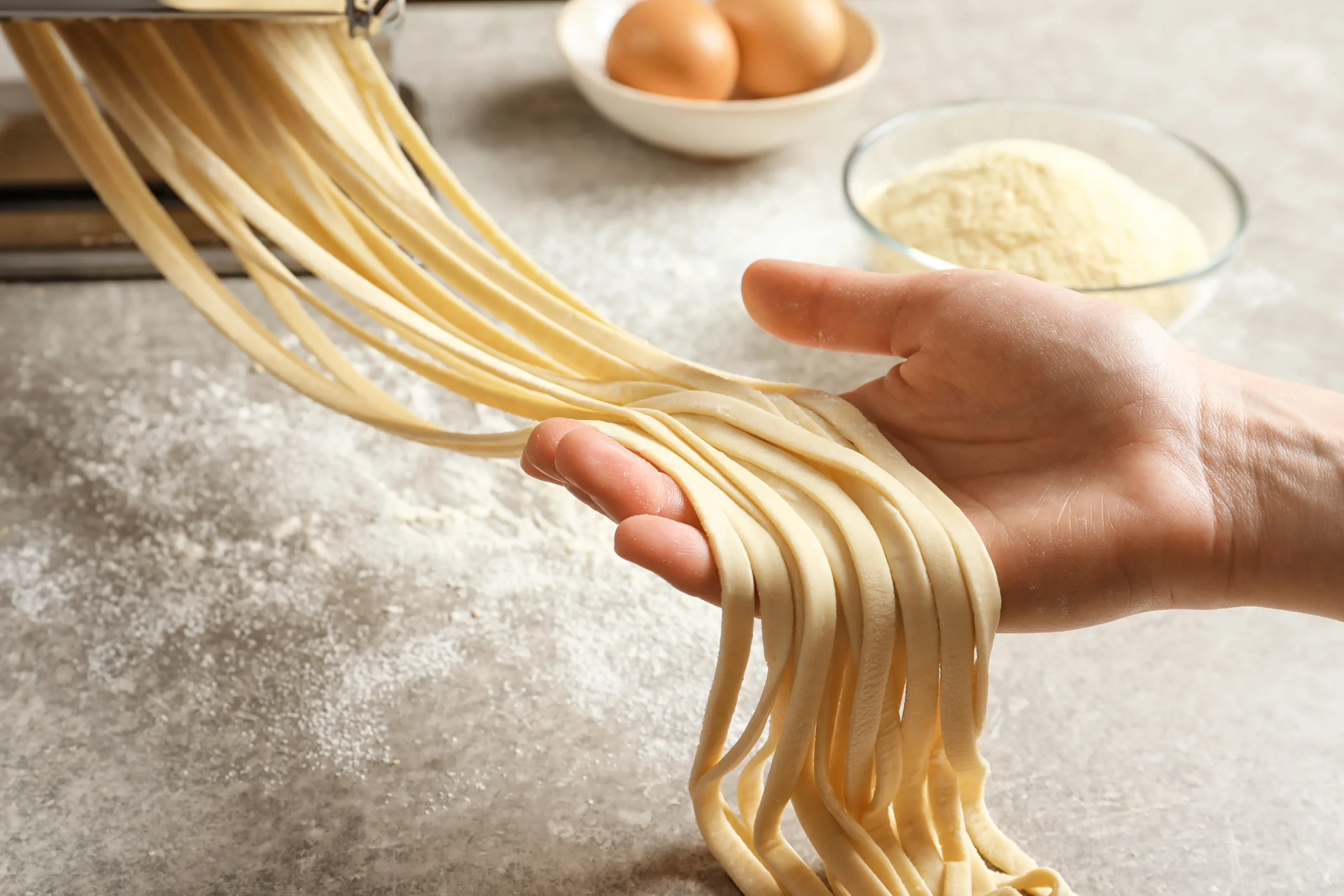
There is something comforting about a bowl of homemade egg noodles. They bring back memories of flour-covered kitchen counters, simple family dinners, and recipes passed down from one generation to the next. You do not need expensive ingredients or fancy kitchen equipment to recreate that old-fashioned goodness. With a few pantry staples and a little time, you can make tender, satisfying noodles right in your own kitchen.
Grandma’s Homemade Noodles are perfect when you want a comforting meal without spending much on groceries. Made with all-purpose flour, eggs, salt, and a little water, these traditional noodles are easy to prepare and versatile enough for soups, stews, casseroles, and simple buttered noodle dishes.
The best part? You control the ingredients, thickness, and texture. You can cut them into thin ribbons for chicken soup or make wider noodles for hearty country-style meals. If you have never made fresh pasta before, this beginner-friendly recipe is a practical place to start.
This recipe is designed around an under-$3 ingredient budget. Actual costs depend on current grocery prices and the quantities you use, so check the ingredient-price section before relying on that budget.
Recipe Overview
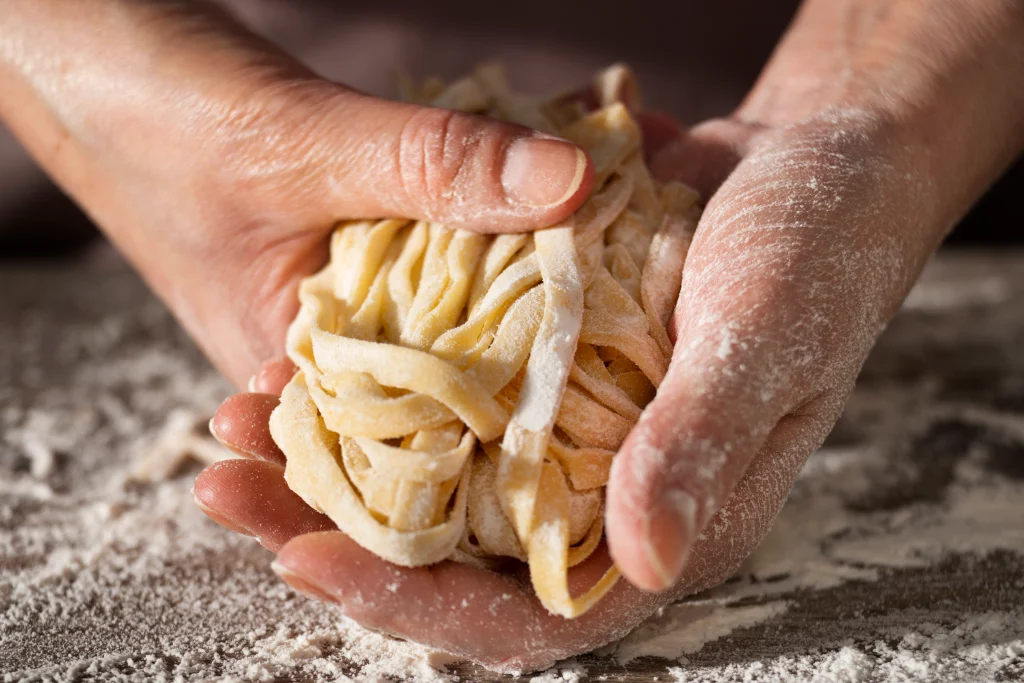
These old-fashioned egg noodles require basic ingredients and straightforward preparation. The dough is kneaded, rested, rolled thin, and cut into strips before being boiled until tender.
| Recipe Detail | Information |
|---|---|
| Prep time | 20 minutes |
| Resting time | 20–30 minutes |
| Cook time | 3–7 minutes |
| Total time | Approximately 45–60 minutes |
| Servings | 4 |
| Cuisine | American comfort food |
| Cooking method | Boiling |
| Difficulty | Easy |
| Main ingredients | Flour, eggs, salt, water |
| Equipment | Mixing bowl, rolling pin, knife, saucepan |
| Budget goal | Under $3 for the recipe, subject to local prices |
Why You Will Love These Homemade Noodles
- Budget-friendly: The recipe uses everyday ingredients you may already have in your pantry.
- Fresh flavor: Eggs give the noodles a rich taste and satisfying texture.
- Beginner-friendly: You can prepare the dough without a stand mixer or pasta machine.
- Versatile: Use the noodles in soups, creamy sauces, stews, and casseroles.
- Easy to customize: Choose thin, delicate strips or wide, hearty noodles.
- Make-ahead friendly: Refrigerate or freeze portions for future meals.
Ingredients for Grandma’s Homemade Noodles
You need only four basic ingredients to prepare this recipe. The exact amount of flour may vary slightly depending on egg size, humidity, and how much moisture the flour absorbs.
Ingredients and Measurements
| Ingredient | Quantity | Purpose |
|---|---|---|
| All-purpose flour | 2 cups, approximately 240–260 g | Provides structure |
| Large eggs | 2 | Add moisture, richness, and binding |
| Salt | 1/2 teaspoon | Enhances flavor |
| Water | 1–3 tablespoons, as needed | Helps bring the dough together |
Use plain all-purpose flour for a familiar, tender texture. Measure it carefully rather than packing it tightly into the measuring cup.
Water is optional. Your eggs may provide enough moisture to bring the flour together, so add water only when the dough feels too dry or crumbly.
Choosing the Best Ingredients
All-purpose flour: This is an affordable, widely available choice. Bread flour can produce chewier noodles, while whole-wheat flour creates a denser texture.
Eggs: Large eggs work well for this quantity of flour. If your eggs are unusually small, you may need a little additional water.
Salt: Ordinary table salt is sufficient. There is no need to purchase a specialty salt for this recipe.
Water: Add it gradually. Too much water can make the dough sticky and difficult to roll.
How to Make Grandma’s Homemade Noodles
The secret to good homemade egg noodles is not complicated technique. It is getting the dough texture right, allowing it to rest, and cooking the noodles only until tender.
Step 1: Combine the Flour and Salt
Place the flour and salt in a large mixing bowl. Stir to distribute the salt evenly, then create a well in the center.
This well gives you room to mix the eggs into the flour gradually instead of creating a dry, uneven mixture.
Step 2: Add the Eggs
Crack both eggs into the center of the flour. Beat them lightly with a fork, then gradually incorporate flour from the sides.
Continue mixing until the ingredients form a rough dough. If the mixture remains dry and will not hold together when pressed, add water one teaspoon at a time.
Do not worry if the dough looks rough at this stage. Kneading will help it become smoother.
Step 3: Knead Until Smooth
Transfer the dough to a lightly floured surface. Press it forward with the heel of your hand, fold it back, and turn it slightly.
Repeat for approximately 5–8 minutes.
The dough should become firm, smooth, and cohesive. If it sticks heavily to your fingers, dust the work surface with a little flour. If it cracks and falls apart, add a few drops of water and knead again.
Avoid adding too much flour. Excess flour can make the finished noodles dry and tough.
Step 4: Rest the Dough
Shape the dough into a ball and cover it with a clean kitchen towel, an overturned bowl, or food wrap.
Let it rest for 20–30 minutes at room temperature.
Resting allows the flour to absorb moisture and relaxes the gluten, making the dough easier to roll. It also reduces the tendency of the dough to shrink back as you work with it.
Step 5: Roll the Dough Thin
Lightly flour your counter and rolling pin. Divide the dough into two portions if that makes it easier to handle.
Roll each portion into a sheet approximately 1/16–1/8 inch thick.
For chicken soup, thinner noodles work well because they cook quickly. For creamy chicken and noodles or beef stew, you may prefer slightly thicker strips.
Turn the dough occasionally and use only enough flour to prevent sticking.
Step 6: Cut the Noodles
Lightly dust the dough sheet with flour. You can loosely fold it or roll it into a flat bundle before cutting, but avoid pressing the layers tightly together.
Use a sharp knife to cut strips of your preferred width. Unfold the strips and separate them gently with your fingers.
Arrange the noodles on a lightly floured tray in a single layer or loose nests. This helps prevent them from sticking together.
Step 7: Boil Until Tender
Bring a large pot of water or broth to a boil. Add salt to the water if desired.
Carefully add the noodles and stir gently, especially during the first minute. Cook for approximately 3–7 minutes, depending on their thickness.
Start checking after three minutes. Fresh noodles cook faster than most dried pasta, and overcooking can make them soft and mushy.
Taste a strand before draining. The noodles should be tender while still holding their shape.
Step 8: Serve Your Noodles
Drain the noodles if you cooked them in water. If you cooked them directly in soup, transfer them to serving bowls with the broth.
For a simple side dish, toss them with butter, black pepper, and chopped parsley. You can also serve them with chicken gravy, beef stew, or a creamy mushroom sauce.
Serve immediately for the best texture.
Cooking Tips for Perfect Egg Noodles
A few small adjustments can help you get consistent results every time you make fresh pasta.
Keep the Dough Firm but Workable
The dough should not feel wet or sticky, but it should hold together when pressed. Add water gradually if it is too dry and a small amount of flour if it is too sticky.
Roll the Dough Evenly
Uneven thickness leads to uneven cooking. Take your time when rolling, especially if you are making wide noodles.
If you do not have a large rolling pin, divide the dough into smaller portions and roll them separately.
Prevent the Noodles From Sticking
Dust the cut noodles lightly with flour and separate the strands before cooking. Avoid piling freshly cut noodles into a tight mound.
Stir gently after adding them to boiling water to separate strands that begin sticking together.
Avoid Overcooking
Fresh egg noodles need only a few minutes in boiling water. Check them early and remove them as soon as they reach your preferred tenderness.
If you plan to add them to soup that will continue simmering, slightly undercook them or cook them separately.
Variations and Substitutions
Once you know the basic method, you can adapt the noodles to suit different meals.
Old-Fashioned Wide Egg Noodles
Cut the dough into wider ribbons for a traditional country-style texture. These noodles are especially good with chicken gravy, slow-cooked beef, and creamy sauces.
Allow extra cooking time if you make them particularly thick.
Whole-Wheat Noodles
Replace up to half the all-purpose flour with whole-wheat flour. The result will be heartier and denser, and the dough may need a little more water.
Add the liquid gradually to avoid making the dough too sticky.
Herb-Seasoned Noodles
Mix 1/2–1 teaspoon of dried parsley or thyme into the flour and salt before adding the eggs. These noodles pair well with chicken broth, butter, and vegetable-based sauces.
Dairy-Free Noodles
The basic recipe contains no milk or butter, so it is already dairy-free as written. Choose dairy-free sauces and toppings if you need to avoid dairy.
Egg-Free Noodles
You can make pasta using flour and water, but the dough will behave differently and will not have the same richness as traditional egg noodles. For reliable results, use an egg-free noodle recipe with adjusted liquid quantities.
Gluten-Free Noodles
Choose a gluten-free flour blend suitable for pasta or dough preparation. Depending on the blend, you may need a binder such as xanthan gum. Follow the manufacturer’s instructions because gluten-free dough can be more delicate to roll and cut.
Storage and Meal Prep
Homemade noodles can be prepared ahead of time, but because they contain raw eggs, they need appropriate storage.
Refrigerating Fresh Noodles
Place freshly cut noodles in a covered container and refrigerate promptly at 40°F (4°C) or below.
For best quality, use them within 1–2 days. Keep them lightly dusted with flour and avoid packing them tightly together.
Discard noodles that develop an unusual odor, slimy texture, or other signs of spoilage.
Freezing Homemade Egg Noodles
Freezing is useful when you want to prepare a larger batch.
- Arrange the uncooked noodles in loose portions on a floured baking sheet.
- Freeze until firm.
- Transfer them to a freezer-safe bag or airtight container.
- Label the container with the date.
For best quality, use frozen noodles within approximately 1–2 months. Cook them directly from frozen, allowing a little extra time and checking for doneness.
Can You Dry Homemade Egg Noodles?
Drying noodles for room-temperature storage requires thorough, reliable drying. The outside may feel dry while moisture remains inside, so surface dryness alone is not enough to establish that homemade egg noodles are shelf-stable.
For everyday home cooking, refrigeration or freezing is the simpler option.
Meal-Prep Ideas
Prepare your noodles ahead of time and use them in different meals throughout the week:
- Chicken noodle soup with carrots and celery.
- Buttered noodles with steamed vegetables.
- Beef stew served over wide egg noodles.
- Creamy mushroom noodles.
- Chicken and noodle casserole.
When possible, store cooked noodles separately from soups and sauces. This helps prevent them from absorbing too much liquid and becoming overly soft.
Ingredient Prices & Where to Find the Best Deals
The cost of this recipe depends on the current price of flour and eggs, the amount of each ingredient used, and your grocery store.
Current retailer prices could not be independently verified for this article. The following table therefore identifies likely places to compare prices without presenting unverified figures as current prices.
Ingredient Price Comparison
Ingredient Prices & Where to Find the Best Deals
| Ingredient | Quantity Used | Package Price | Best Retailer | Recipe Cost |
|---|---|---|---|---|
| All-purpose flour | 250 g | Price varies by location | Walmart | To be calculated |
| Large eggs | 2 eggs | Price varies by location | ALDI | To be calculated |
| Salt | ½ teaspoon | Price varies by location | Target | To be calculated |
| Water | 1–3 tablespoons | No additional grocery purchase assumed | Household supply | $0 assumed |
| Total Recipe Cost | 4 servings | — | — | To be calculated |
| Cost Per Serving | 1 serving | — | — | Total recipe cost ÷ 4 |
You can compare available products through these U.S. retailer websites:
Prices may vary by location, store, brand, promotions, package size, and date. The retailers listed are comparison options, not verified claims about which store currently offers the lowest price.
How to Calculate the Recipe Cost
To calculate the actual cost, use the amount of each ingredient consumed rather than the entire package price.
Formula:
Ingredient cost = Package price × (quantity used ÷ total package quantity)
For example, if a flour package contains 2,000 grams and the recipe uses 250 grams, multiply the package price by 250 ÷ 2,000.
For eggs, divide the carton price by the number of eggs in the carton and multiply by two. For salt, calculate the small fraction of the package used.
Add the ingredient costs to determine the total recipe cost. Then divide by four to calculate the cost per serving.
The checkout total will usually be higher because you purchase entire packages, but the unused ingredients remain available for future meals.
How to Keep the Recipe Under $3
The recipe is designed around a low-cost ingredient list, but the under-$3 target cannot be confirmed without current local prices.
To improve your chances of meeting the budget:
- Compare store-brand flour with other available brands.
- Check the price per egg rather than the carton price alone.
- Buy ordinary pantry salt instead of specialty varieties.
- Use existing ingredients while accounting for the quantity consumed.
- Compare package unit prices and available promotions.
Calculate the cost using current prices before publishing or relying on the under-$3 claim.
Nutrition Information
Homemade egg noodles provide carbohydrates from flour and protein from eggs. Their nutritional values depend on the exact ingredients, egg size, serving size, and preparation method.
The following figures are approximate estimates per serving, assuming the recipe makes four servings and uses approximately 250 grams of all-purpose flour and two large eggs.
| Nutrient | Estimated Amount per Serving |
|---|---|
| Calories | 260–290 kcal |
| Carbohydrates | 48–53 g |
| Protein | 9–11 g |
| Fat | 2–4 g |
| Fiber | 1–2 g |
| Sodium | Varies with salt and cooking method |
These are general estimates, not laboratory-tested nutrition values. They exclude butter, sauces, meat, cheese, and other additions.
How to Make It a More Balanced Meal
Serve the noodles with a protein source and vegetables for a more complete meal.
Consider adding:
- Chicken, turkey, or beans for protein.
- Carrots, peas, spinach, or broccoli for vegetables.
- A broth-based sauce for a lighter preparation.
- A side salad or steamed vegetables.
If you need precise nutrition information, calculate it using the exact ingredients and quantities you use.
Frequently Asked Questions
1. What are homemade egg noodles made of?
Traditional egg noodles are made with flour, eggs, and salt. A little water may be added if the dough needs extra moisture.
2. Are Grandma’s Homemade Noodles cheaper than store-bought pasta?
They can be economical, particularly when flour and eggs are inexpensive. The actual savings depend on current grocery prices and the cost of packaged pasta. Compare the cost of the quantities consumed rather than the full package prices.
3. How long do fresh egg noodles take to cook?
Most freshly cut noodles take approximately 3–7 minutes to cook in boiling water. Thicker noodles may need longer, so check them regularly.
4. Do I need a pasta machine?
No. A rolling pin and sharp knife are enough to make fresh egg noodles at home.
5. Why is my noodle dough too dry?
The flour may have absorbed more moisture than expected, or the eggs may have been small. Add water one teaspoon at a time and knead until the dough holds together.
6. Why are my homemade noodles tough?
Too much flour, insufficient resting, or uneven rolling can contribute to tough noodles. Knead the dough until smooth, let it rest for 20–30 minutes, and roll it evenly.
7. Can I prepare the dough ahead of time?
Yes. Wrap the dough tightly and refrigerate it promptly. For best results, use it within about 24 hours. Avoid leaving raw egg dough at room temperature for extended periods.
8. Can I freeze homemade egg noodles?
Yes. Freeze the uncooked noodles in loose portions on a tray, then transfer them to a freezer-safe container. Cook them from frozen and check for tenderness.
9. Can I add these noodles directly to chicken soup?
Yes. Add them near the end of cooking because fresh noodles cook quickly and absorb broth as they sit. For better texture, you can also cook them separately and add them to individual bowls.
10. Can I make homemade noodles without eggs?
Yes, but you will need an egg-free dough recipe with different liquid proportions. The finished noodles will have a different texture from traditional egg noodles.
11. How can I prevent the noodles from sticking together?
Dust them lightly with flour, separate the strands after cutting, and stir gently during the first minute of cooking. Avoid piling freshly cut noodles into a tight mound.
12. Are homemade egg noodles safe to store in the pantry?
Only when thoroughly dried using a reliable process that establishes their suitability for room-temperature storage. For most home cooks, refrigeration or freezing is a more practical option.
Bring Homemade Comfort to Your Table
Grandma’s Homemade Noodles prove that a satisfying, comforting meal can begin with just a few simple ingredients. With flour, eggs, salt, and a little patience, you can make fresh noodles without expensive equipment or complicated techniques.
Once you master the dough, you can customize the thickness, prepare different variations, and use the noodles in everything from chicken soup to hearty beef stew. Making them at home also gives you control over the ingredients and the portions you prepare.
The under-$3 budget is a target rather than a verified current price, so check your local grocery prices and calculate the amount used before shopping.
Ready to try this old-fashioned recipe? Make a batch, serve it with your favorite soup or sauce, and share your results. What is your favorite way to serve homemade egg noodles: in chicken soup, with butter and herbs, or alongside a hearty stew? Leave a comment and share your preferred variation with other home cooks.
Table of Contents
Grandma’s Homemade Noodles Recipe
Noodle Kugel Recipe Under $7 – Easy Traditional Comfort Food – labelrecipes.com