

If you’ve ever wanted a science experiment that feels more like play than learning, this oobleck recipe is going to stick in your memory—in more ways than one. You’ll be squeezing something that turns solid in your hands, then slowly melts back into a liquid the moment you relax your grip.
It’s simple, slightly messy, and completely fascinating. And the best part is that you only need two basic ingredients sitting in your kitchen right now.
This is not just another DIY project. It’s the kind of hands-on experience that makes you stop and think, wait… how is this even possible?
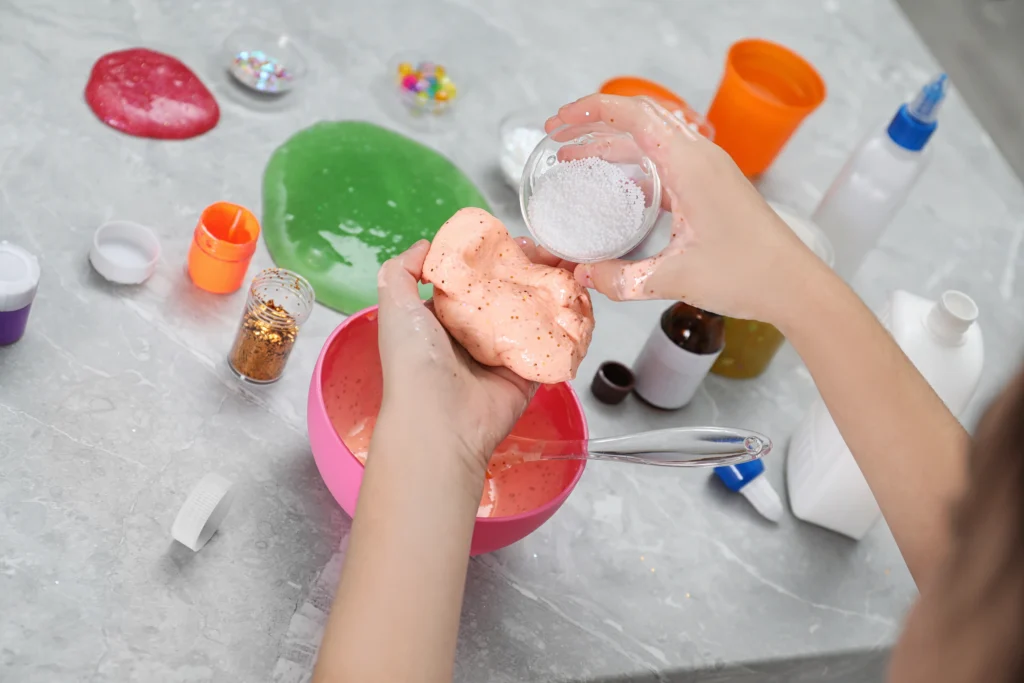
What Is Oobleck? Understanding the Oobleck Recipe
When you first mix an oobleck recipe, it looks harmless enough—just a thick white slurry. But the moment you touch it, things get strange.
Oobleck is a non-Newtonian fluid, meaning it does not behave like normal liquids or solids. Instead, it changes its behavior depending on how you interact with it.
Why Oobleck Feels Like Magic
You’ll notice two completely different reactions:
- When you move it slowly → it flows like a liquid
- When you apply pressure → it becomes solid
That’s what makes this oobleck recipe so fun. You are literally holding something that can’t decide what it wants to be.
The Science Behind It (Simple Version)
Oobleck is made from cornstarch particles suspended in water. Under pressure, those particles lock together and resist movement. When the pressure stops, they relax and flow again.
You don’t need a science degree to enjoy it—but understanding the basics makes the experience even cooler.
Simple Oobleck Recipe Ingredients You Need
The beauty of this oobleck recipe is how ridiculously simple it is. No special tools, no rare ingredients.
Basic Ingredients Table
| Ingredient | Amount | Purpose |
|---|---|---|
| Cornstarch | 1 to 2 cups | Creates structure and resistance |
| Water | ½ to 1 cup | Activates fluid movement |
| Food coloring (optional) | A few drops | Adds visual fun |
Why These Ingredients Work
You’re not “cooking” anything here. You’re creating a suspension. Cornstarch doesn’t dissolve in water—it floats and interacts with it in a way that creates that strange dual behavior.
If your oobleck recipe feels too runny or too stiff, don’t worry. You adjust it easily as you go.
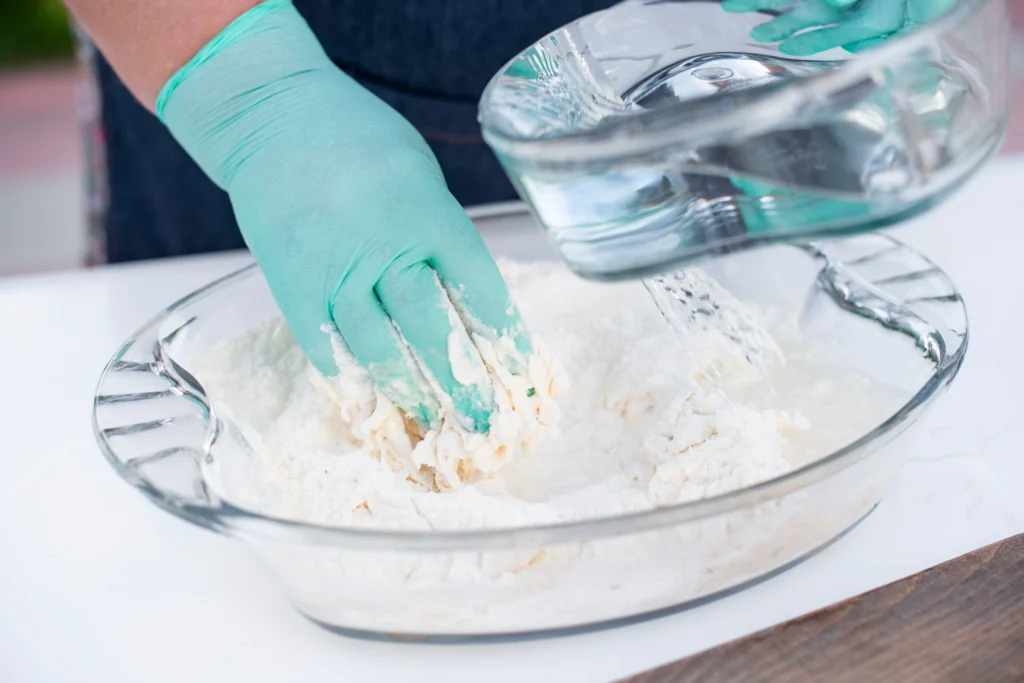
How to Make Oobleck Step by Step (Beginner-Friendly Guide)
This is where things get interesting. You’re not just mixing ingredients—you’re building a substance that defies normal expectations.
Step 1: Start With Cornstarch
Pour your cornstarch into a bowl. Use a large one because things can get messy fast.
Step 2: Add Water Slowly
Don’t rush this part. Add water a little at a time while stirring.
You’re aiming for a texture that feels strange:
- Not fully liquid
- Not fully solid
- Somewhere in between
Step 3: Test the Texture
Here’s where your oobleck recipe really comes alive.
Try this:
- Punch the surface quickly
- Let your fingers sink slowly
- Lift your hand gently
- Watch it change instantly
It will behave differently every time depending on how you touch it.
Why Oobleck Acts Like a Solid and Liquid
This is the part that usually makes people pause.
The Simple Science Explanation
You’re dealing with something called a shear-thickening fluid.
That means:
- Fast force = solid-like behavior
- Slow movement = liquid-like behavior
When you hit or squeeze oobleck, the cornstarch particles don’t have time to move out of the way. They jam together and lock up.
When you move slowly, they slide past each other easily.
Real-World Examples You Might Not Expect
This same principle shows up in:
- Quicksand-like mixtures
- Certain industrial lubricants
- Protective body armor materials (advanced versions of this concept)
So yes—your simple oobleck recipe connects to real science used in engineering.
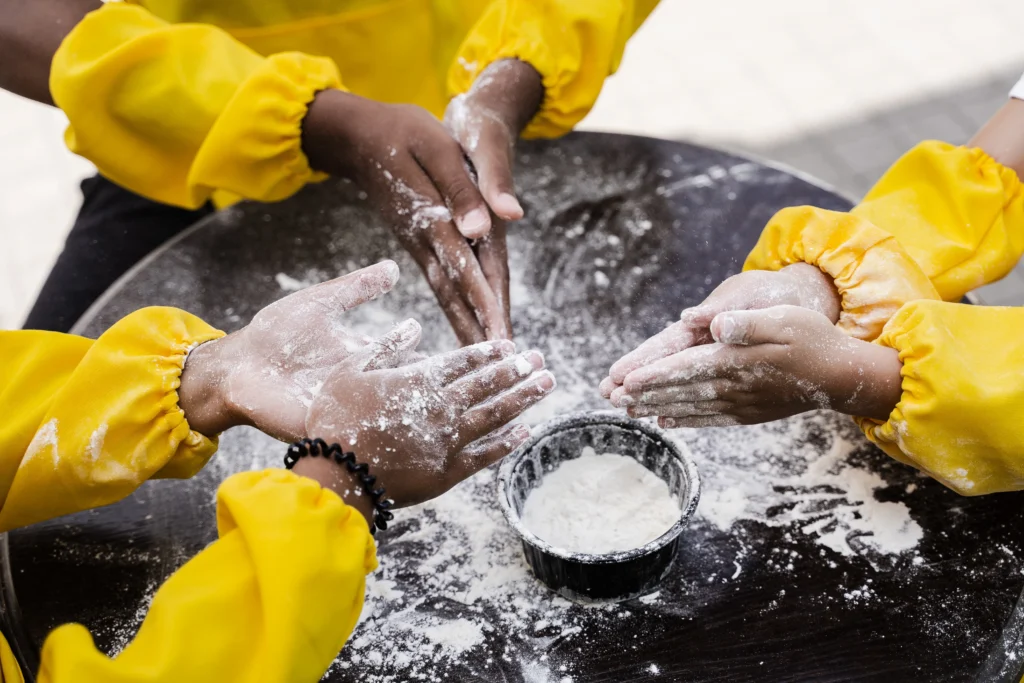
Fun Ways to Play With Your Oobleck Recipe
Now that you’ve made it, you’re going to want to test it in every possible way.
Sensory Play Ideas
You can explore it by:
- Punching the surface quickly
- Slowly letting it drip through your fingers
- Rolling it into a loose ball
- Watching it melt back into a puddle
It reacts differently every single time.
Simple Science Experiments You Can Try
Turn your oobleck recipe into a mini lab:
- Drop small objects (coin, plastic toy, spoon)
- Compare fast vs slow movement
- Try tapping vs pressing
- Measure how long it stays solid under pressure
You’re basically testing physics with your hands.
Common Oobleck Recipe Mistakes (And Easy Fixes)
Even though this experiment is simple, texture can go wrong if the balance is off.
Problem: Too Runny
If your mixture feels like water:
- Add more cornstarch slowly
- Stir and retest
Problem: Too Solid
If it feels like dough:
- Add small amounts of water
- Mix gently
Problem: Lumpy Texture
This usually happens when:
- You add water too fast
- You don’t mix enough
Fix it by kneading it with your hands instead of a spoon.
Safety Tips for Your Oobleck Recipe
Even though this experiment is safe, a few smart precautions make it better.
What You Should Know
- It is non-toxic but NOT edible
- It can get messy quickly
- It should stay away from sinks (it can clog pipes when hardened)
Kid-Friendly Reminder
If you’re doing this with kids, you’ll want:
- A washable surface
- Old clothes or aprons
- A large mixing area
Creative Variations of the Oobleck Recipe
Once you master the basic version, you can get creative.
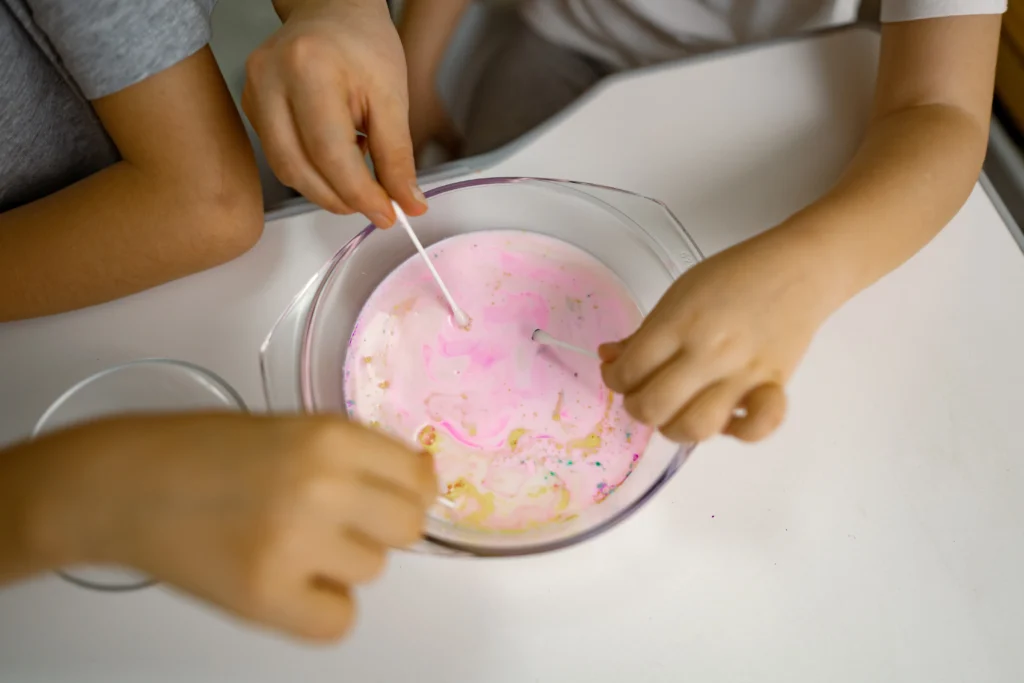
Colored Oobleck
Add food coloring for visual effect. Bright colors make the texture changes easier to see.
Glow Oobleck
Add glow powder for nighttime experiments. Under a dark light, it becomes almost surreal.
Seasonal Themes
- Orange for Halloween
- Red and green for holidays
- Blue for ocean-themed play
Each version keeps the same science but changes the experience.
Educational Benefits of the Oobleck Recipe
This isn’t just messy fun—it’s learning in disguise.
What You Learn While Playing
- Basic physics concepts (force and pressure)
- Material behavior
- Sensory processing
- Cause-and-effect thinking
Why It Works So Well for Learning
Instead of reading about science, you feel it happening. That physical interaction helps concepts stick in a way textbooks rarely can.
How to Store and Dispose of Oobleck Properly
Oobleck doesn’t last forever, but you can manage it easily.
Short-Term Storage
If you want to keep it:
- Store in an airtight container
- It may separate over time
- Just stir again before reuse
Disposal Warning
Do NOT pour it down the sink.
Instead:
- Let it dry out
- Throw it in the trash
Cornstarch can harden in pipes and cause clogs.
Frequently Asked Questions About Oobleck Recipe
What is an oobleck recipe made of?
Just cornstarch and water. That’s it. Optional food coloring adds fun visuals.
Why does oobleck feel like both a solid and liquid?
Because pressure changes how the particles interact. Fast pressure locks them together, slow movement lets them flow.
Is oobleck safe for kids?
Yes. It’s non-toxic, but it should not be eaten.
How long does oobleck last?
Usually a few hours to a day, depending on storage and use.
Can you reuse oobleck?
Yes, but you may need to adjust water or cornstarch to restore texture.
Final Thoughts on This Amazing Oobleck Recipe
You don’t often find something that feels like science fiction sitting in a kitchen bowl. But this oobleck recipe does exactly that.
It reacts to you. It changes based on how you move. It surprises you every single time you touch it.
And that’s what makes it special.
You’re not just mixing ingredients—you’re interacting with physics in real time.
Call to Action
Now it’s your turn. Grab cornstarch, add water, and try this oobleck recipe yourself. Test it, break it, reshape it, and see how it reacts to you.
And if you discover a fun twist—new colors, textures, or experiments—share it. Your version might inspire someone else’s next science moment.
Table of Contents
How to Make Oobleck: 8 Steps (with Pictures) – wikiHow
This Dirt Pudding Recipe Is a Childhood Favorite – labelrecipes.com