

There’s something incredibly satisfying about sitting down to a homemade meal that tastes like it came from your favorite restaurant. After a busy day, you probably want a dinner that’s quick to prepare, packed with bold flavors, and made with ingredients you can easily find. That’s exactly what Gochujang Chicken Stir-Fry delivers.
This Korean-inspired recipe combines juicy chicken, crisp vegetables, and a rich, spicy-sweet sauce made with gochujang—the famous Korean fermented chili paste. Every bite offers a balance of heat, savory umami, and subtle sweetness that keeps you coming back for more.
The best part? You can have this colorful, nutritious meal on your table in about 30 minutes. Whether you’re looking for a healthier alternative to takeout, trying Korean-inspired cooking for the first time, or simply searching for a dependable weeknight dinner, this recipe checks every box.
In this guide, you’ll learn everything you need to know about making the perfect Gochujang Chicken Stir-Fry, including ingredient substitutions, cooking techniques, storage tips, serving ideas, and expert advice to help you achieve restaurant-quality results in your own kitchen.
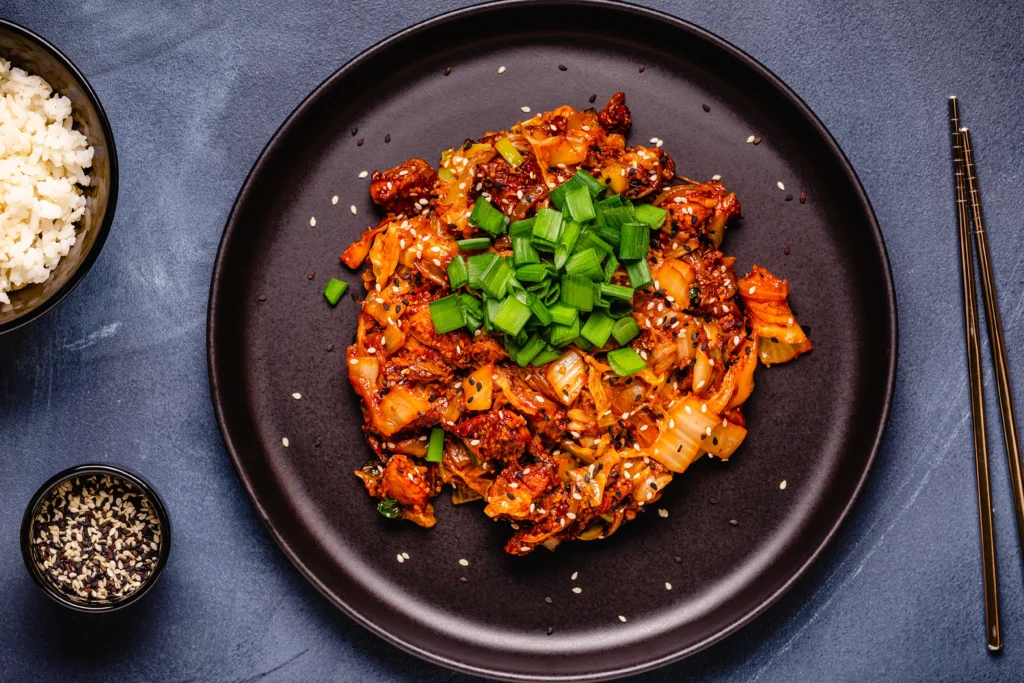
What Is Gochujang Chicken Stir-Fry?
Gochujang Chicken Stir-Fry is a Korean-inspired dish featuring bite-sized pieces of chicken cooked over high heat with fresh vegetables and coated in a rich sauce centered around gochujang, Korea’s iconic fermented chili paste.
Unlike many stir-fry sauces that rely heavily on soy sauce or sugar, gochujang creates a deeper, more complex flavor. It brings together:
- Mild to medium heat
- Rich umami
- Natural sweetness
- Slight smokiness
- Fermented depth
This combination transforms everyday ingredients into a meal that feels special without requiring hours in the kitchen.
Although traditional Korean cuisine includes many stir-fried dishes, this version adapts classic flavors for home cooks who want something approachable while still honoring the essence of Korean cooking.
Why You’ll Love This Gochujang Chicken Stir-Fry Recipe
If you’re searching for a dependable dinner that never gets boring, this recipe deserves a place in your weekly meal rotation.
Ready in Just 30 Minutes
Life gets busy, and spending hours preparing dinner isn’t always realistic.
This recipe comes together quickly because:
- The chicken cooks in minutes.
- Vegetables require very little preparation.
- The sauce is mixed in one bowl.
- Everything cooks in a single pan or wok.
Less cooking means more time enjoying your meal.
Better Than Takeout
Ordering takeout can be convenient, but making your own Gochujang Chicken Stir-Fry offers several advantages.
When you cook at home, you can:
- Choose fresh vegetables.
- Control the amount of oil.
- Adjust the spice level.
- Reduce sodium.
- Add more protein.
- Save money.
You’ll also enjoy leftovers that taste just as delicious the next day.
Healthy Without Sacrificing Flavor
Many quick dinners sacrifice nutrition for convenience. Fortunately, this recipe gives you both.
Each serving provides:
- Lean protein
- Fiber-rich vegetables
- Healthy fats
- Vitamins and minerals
- A satisfying balance of carbohydrates and protein
Pair it with steamed rice, brown rice, or cauliflower rice to match your dietary goals.
Perfect for Meal Prep
If you enjoy preparing meals ahead of time, this recipe stores exceptionally well.
Simply divide it into containers alongside cooked rice, noodles, or vegetables for easy lunches throughout the week.
The Secret Behind Gochujang
The ingredient that makes this recipe unforgettable is gochujang.
Unlike ordinary chili sauce, gochujang is made from fermented ingredients including:
- Red chili pepper flakes
- Glutinous rice
- Soybeans
- Salt
The fermentation process develops an incredible depth of flavor that can’t be replicated with hot sauce alone.
Instead of overwhelming heat, gochujang delivers a balanced combination of:
- Sweetness
- Spice
- Saltiness
- Umami richness
This balance is why it’s considered one of Korea’s most treasured pantry staples.
Today, you’ll find gochujang in many supermarkets, Asian grocery stores, and online retailers.
Once opened, it keeps well in the refrigerator for several months, making it an excellent ingredient to keep on hand for future meals.
Ingredients for the Best Gochujang Chicken Stir-Fry
The beauty of this recipe lies in its simplicity. Every ingredient contributes something important to the final flavor.
Recipe Ingredients
| Ingredient | Amount | Purpose | Substitute |
|---|---|---|---|
| Boneless skinless chicken thighs | 1½ pounds | Juicy protein | Chicken breast |
| Gochujang | 3 tablespoons | Signature spicy flavor | Sambal oelek + miso paste |
| Low-sodium soy sauce | 2 tablespoons | Umami | Tamari |
| Honey | 2 tablespoons | Sweetness | Brown sugar or maple syrup |
| Sesame oil | 1 tablespoon | Nutty aroma | Avocado oil + sesame seeds |
| Garlic | 4 cloves, minced | Flavor | Garlic powder |
| Fresh ginger | 1 tablespoon, grated | Freshness | Ground ginger |
| Bell peppers | 2 | Color and crunch | Zucchini |
| Broccoli florets | 2 cups | Texture | Snap peas |
| Yellow onion | 1 medium | Sweetness | Shallots |
| Green onions | 3 | Garnish | Chives |
| Sesame seeds | 1 tablespoon | Finishing touch | Optional |
Why Chicken Thighs Work Best
While chicken breast is a perfectly acceptable option, boneless chicken thighs provide several advantages.
They:
- Stay juicy during high-heat cooking.
- Absorb marinades beautifully.
- Deliver richer flavor.
- Are harder to overcook.
If you prefer leaner meat, chicken breast works well as long as you avoid overcooking it.
Choosing the Right Vegetables
One reason this recipe is so versatile is that almost any crisp vegetable works well.
Some excellent choices include:
- Broccoli
- Bell peppers
- Mushrooms
- Snap peas
- Carrots
- Bok choy
- Baby corn
- Zucchini
- Green beans
- Cabbage
Feel free to combine several varieties based on what’s already in your refrigerator.
Understanding Each Sauce Ingredient
The sauce is what transforms ordinary chicken into something unforgettable.
Gochujang
Provides:
- Heat
- Sweetness
- Umami
- Rich color
Soy Sauce
Adds:
- Saltiness
- Depth
- Balance
Low-sodium soy sauce allows you to better control the seasoning.
Honey
Honey softens the spicy notes while helping the sauce caramelize beautifully around the chicken.
If you prefer a less sweet flavor, reduce the honey slightly or replace it with brown sugar.
Sesame Oil
A little sesame oil goes a long way.
Rather than cooking with large amounts, it’s often added toward the end of cooking to preserve its fragrant aroma.
Garlic and Ginger
These two ingredients build the aromatic base of the dish.
Fresh versions always provide the best flavor, but powdered alternatives can work if necessary.
Kitchen Equipment You’ll Need
You don’t need specialized equipment to make excellent Gochujang Chicken Stir-Fry.
A few basic kitchen tools are enough.
Essential Equipment
- Large wok or skillet
- Sharp chef’s knife
- Cutting board
- Measuring spoons
- Mixing bowl
- Wooden spoon or spatula
- Tongs
- Serving bowls
A heavy skillet retains heat well, allowing the chicken to brown properly while keeping the vegetables crisp.
Preparing Your Ingredients Before Cooking
One of the biggest secrets to successful stir-frying is preparing everything before turning on the stove.
Since cooking happens quickly, you’ll want to have:
- Chicken cut into bite-sized pieces
- Vegetables washed and sliced
- Garlic minced
- Ginger grated
- Sauce mixed
- Garnishes ready
This simple step prevents overcooking and ensures every ingredient finishes at exactly the right time.
Why This Recipe Is Perfect for Every Occasion
Whether you’re cooking for one person or feeding a family, Gochujang Chicken Stir-Fry adapts effortlessly.
It’s ideal for:
- Busy weeknight dinners
- Weekend meal prep
- Family gatherings
- Casual dinner parties
- Healthy lunches
- Quick date-night meals
Its vibrant colors, bold flavors, and satisfying texture make it a recipe you’ll find yourself returning to again and again.
How to Make Gochujang Chicken Stir-Fry
One of the reasons this recipe is so popular is its simplicity. Once your ingredients are prepped, the entire cooking process moves quickly. Stir-frying relies on high heat and fast cooking, so having everything ready before you start is the key to success.
Follow these steps, and you’ll end up with tender chicken, crisp vegetables, and a glossy sauce that coats every bite.
Step 1: Prepare the Chicken
Pat the chicken dry with paper towels before cutting it into evenly sized, bite-sized pieces. Dry chicken browns more effectively and develops a richer flavor during cooking.
Place the chicken in a large mixing bowl.
Add:
- 1 tablespoon soy sauce
- 1 tablespoon gochujang
- 1 teaspoon sesame oil
- Half of the minced garlic
- Half of the grated ginger
Mix everything thoroughly so every piece is coated.
Allow the chicken to marinate for 15–20 minutes while you prepare the vegetables.
Why Marinating Matters
Even a short marinade helps:
- Tenderize the meat
- Build deeper flavor
- Lock in moisture
- Create better caramelization during cooking
If you have extra time, you can marinate the chicken for up to 2 hours in the refrigerator.
Step 2: Prepare the Vegetables
Wash and slice all vegetables into similar-sized pieces. Uniform cuts help everything cook evenly.
Suggested preparation:
- Slice the onion into thin strips.
- Cut bell peppers into bite-sized pieces.
- Divide broccoli into small florets.
- Slice green onions for garnish.
Keeping the vegetables similar in size ensures that every bite has a pleasant balance of textures.
Step 3: Make the Gochujang Sauce
While the chicken marinates, whisk together the remaining sauce ingredients.
Sauce Ingredients
- 2 tablespoons gochujang
- 1 tablespoon soy sauce
- 2 tablespoons honey
- 1 teaspoon sesame oil
- Remaining garlic
- Remaining ginger
- 2 tablespoons water
Whisk until smooth.
If you’d like a thinner sauce, add another tablespoon of water.
For extra tang, stir in:
- 1 teaspoon rice vinegar
For additional sweetness:
- 1 teaspoon brown sugar
Taste the sauce before cooking. You can always adjust it to suit your preferences.
Step 4: Heat the Pan
Place a large wok or heavy skillet over high heat.
Allow it to become very hot before adding oil.
A properly heated pan helps:
- Brown the chicken quickly
- Prevent sticking
- Keep vegetables crisp
- Develop smoky flavor
Add about one tablespoon of neutral cooking oil, such as avocado or vegetable oil.
Swirl to coat the pan evenly.
Step 5: Cook the Chicken
Carefully add the marinated chicken to the hot pan in a single layer.
Avoid overcrowding.
If necessary, cook the chicken in two batches.
Let the chicken cook undisturbed for about 2–3 minutes before stirring.
Continue cooking for another 4–5 minutes until:
- The outside is golden brown.
- The inside reaches 165°F (74°C).
- The juices run clear.
Transfer the cooked chicken to a clean plate.
Step 6: Stir-Fry the Vegetables
Using the same pan preserves all the flavorful browned bits left behind by the chicken.
Add:
- Onion
- Broccoli
- Bell peppers
Cook over high heat for approximately 4–5 minutes.
Stir frequently while allowing the vegetables to remain slightly crisp.
You don’t want soft, mushy vegetables.
Instead, aim for vegetables that are:
- Bright in color
- Slightly tender
- Crisp when bitten
This texture creates the perfect contrast with the juicy chicken.
Step 7: Combine Everything
Return the cooked chicken to the pan.
Pour the prepared gochujang sauce over the chicken and vegetables.
Stir continuously for about 2–3 minutes until:
- Every ingredient is coated.
- The sauce thickens slightly.
- Everything is heated through.
As the sauce cooks, the honey begins to caramelize while the gochujang develops even deeper flavor.
The result is a glossy coating that clings beautifully to every piece of chicken and every vegetable.
Step 8: Finish and Garnish
Turn off the heat.
Drizzle a small amount of sesame oil over the stir-fry for extra aroma.
Top with:
- Sliced green onions
- Toasted sesame seeds
Optional garnishes include:
- Fresh cilantro
- Thinly sliced red chili
- Crushed roasted peanuts
- Lime wedges
Serve immediately while everything is hot.
Expert Tips for the Best Gochujang Chicken Stir-Fry
A few simple techniques can elevate this dish from good to exceptional.
1. Use Chicken Thighs Whenever Possible
Chicken thighs contain more natural fat, making them:
- Juicier
- More flavorful
- Less likely to dry out
Chicken breast is a leaner alternative, but it cooks more quickly and can become dry if overcooked.
2. Cook Over High Heat
High heat is one of the defining characteristics of stir-frying.
Cooking quickly helps:
- Seal in juices
- Brown the meat
- Preserve the vegetables’ crispness
- Develop richer flavors
Avoid lowering the heat unless absolutely necessary.
3. Prepare Everything Before You Start
Professional chefs call this “mise en place.”
Have every ingredient:
- Chopped
- Measured
- Mixed
- Ready to use
Once cooking begins, there isn’t time to stop and prepare ingredients.
4. Don’t Overcrowd the Pan
Too much food in the pan traps steam.
Instead of browning, your chicken will begin to boil.
If needed, cook in batches.
The extra few minutes are worth it.
5. Taste Before Serving
Everyone’s spice preference is different.
If your stir-fry seems:
Too spicy
Add:
- More honey
- A splash of water
Too sweet
Add:
- Rice vinegar
- Soy sauce
Too salty
Add:
- Extra vegetables
- Unsalted cooked rice
Small adjustments can dramatically improve the final flavor.
6. Add Sesame Oil at the End
Sesame oil has a delicate aroma that fades when exposed to prolonged high heat.
For maximum flavor, drizzle it over the finished dish just before serving.
Common Mistakes to Avoid
Even simple recipes can go wrong if a few key details are overlooked.
Cooking Cold Chicken
Let refrigerated chicken sit at room temperature for about 15 minutes before cooking.
This promotes even cooking.
Overcrowding the Pan
Too much chicken lowers the pan’s temperature.
The result is gray, steamed chicken instead of beautifully browned pieces.
Overcooking the Vegetables
Vegetables should remain colorful and slightly crisp.
Soft vegetables lose both texture and visual appeal.
Using Too Much Sauce
More sauce doesn’t always mean more flavor.
Too much liquid can make the vegetables soggy.
Aim for just enough sauce to lightly coat every ingredient.
Skipping the Marinade
Even a short marinade makes a noticeable difference in flavor and tenderness.
Don’t skip this simple step.
Burning Garlic
Garlic cooks quickly.
If added too early over very high heat, it can become bitter.
For best results, add garlic as directed in the recipe.
Forgetting to Taste
Before serving, always taste your stir-fry.
A quick adjustment can make the flavors perfectly balanced.
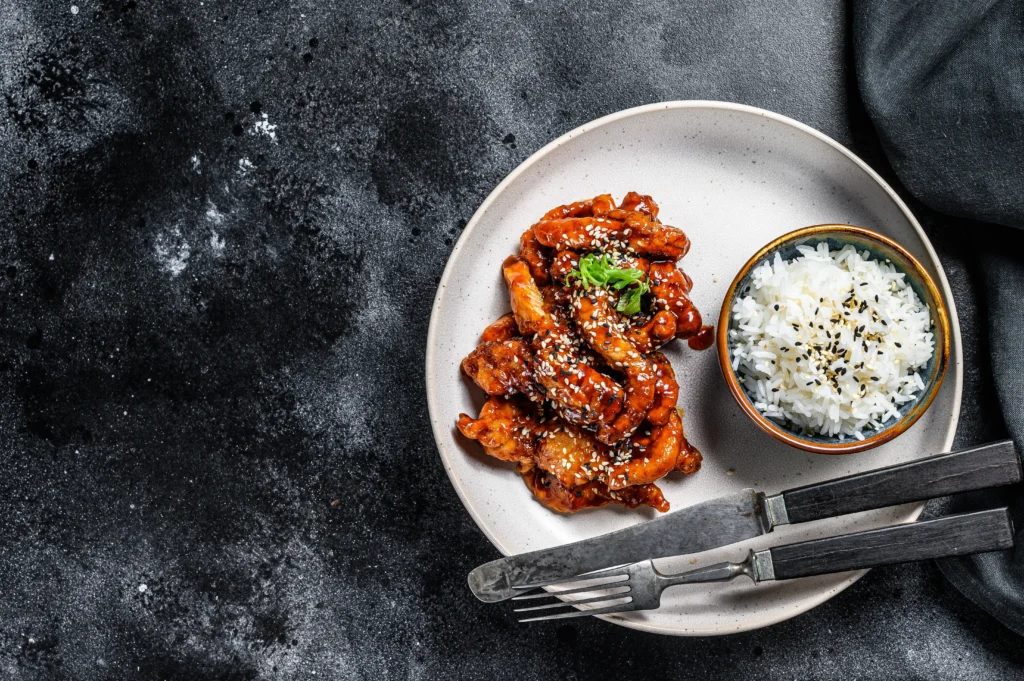
Easy Variations of Gochujang Chicken Stir-Fry
One of the best things about this recipe is how adaptable it is. Whether you’re cooking for different dietary needs or simply want to try something new, there are plenty of delicious ways to customize your Gochujang Chicken Stir-Fry.
Make It Extra Spicy
If you enjoy bold heat, increase the spice level by adding:
- Extra gochujang
- Korean chili flakes (gochugaru)
- Sliced fresh red chilies
- A dash of your favorite hot sauce
Balance the heat with a little more honey if needed.
Create a Mild Family-Friendly Version
Cooking for children or anyone who prefers less spice? Simply reduce the amount of gochujang and increase the honey slightly. The dish will still have its signature Korean-inspired flavor without too much heat.
Try Different Proteins
Chicken isn’t your only option. This versatile sauce pairs well with:
- Thinly sliced beef
- Shrimp
- Pork tenderloin
- Tofu
- Tempeh
Adjust cooking times based on the protein you choose.
Make It Vegetarian
Replace the chicken with firm tofu or a mix of hearty vegetables like mushrooms, zucchini, and eggplant. The gochujang sauce adds plenty of flavor, making this a satisfying meat-free meal.
Low-Carb Option
Skip the rice and serve your stir-fry over:
- Cauliflower rice
- Shredded cabbage
- Zucchini noodles
- Steamed broccoli
These options keep the meal lighter while still being filling.
Gluten-Free Version
Use gluten-free tamari instead of soy sauce and ensure your gochujang is labeled gluten-free, as some brands contain wheat.
What to Serve with Gochujang Chicken Stir-Fry
One of the best things about Gochujang Chicken Stir-Fry is how versatile it is. Whether you’re planning a quick weeknight dinner or preparing a complete Korean-inspired feast, the right side dishes can elevate the meal even further.
Here are some delicious serving ideas to complement the bold flavors of this stir-fry.
| Side Dish | Why It Pairs Well |
|---|---|
| Steamed Jasmine Rice | Absorbs the spicy-sweet sauce beautifully |
| Korean Short-Grain Rice | Traditional pairing with Korean dishes |
| Brown Rice | Adds fiber and a nutty flavor |
| Fried Rice | Turns dinner into a hearty feast |
| Rice Noodles | Great for a noodle-based variation |
| Udon Noodles | Thick, chewy noodles that soak up the sauce |
| Cauliflower Rice | A low-carb alternative |
| Kimchi | Adds authentic Korean flavor and acidity |
| Asian Cucumber Salad | Refreshing contrast to the spicy sauce |
| Steamed Dumplings | Makes the meal feel restaurant-worthy |
| Miso Soup | A light starter that balances the richness |
| Stir-Fried Bok Choy | Adds more vegetables and crunch |
Garnish Ideas
A few finishing touches can transform your stir-fry from simple to spectacular.
Try topping it with:
- Toasted sesame seeds
- Thinly sliced green onions
- Fresh cilantro
- Crushed roasted peanuts
- Lime wedges
- Crispy fried onions
- Thinly sliced red chilies
These garnishes add texture, freshness, and visual appeal.
How to Store and Reheat Leftovers
If you have leftovers, you’re in luck. Gochujang Chicken Stir-Fry stores well and often tastes even better the next day as the flavors continue to develop.
Refrigerator Storage
Allow the stir-fry to cool completely before transferring it to an airtight container.
- Store in the refrigerator for up to 4 days.
- Keep rice in a separate container if possible to maintain the best texture.
Freezer Storage
This dish freezes well for busy weeks.
To freeze:
- Let the stir-fry cool completely.
- Portion it into freezer-safe containers or bags.
- Label with the date.
- Freeze for up to 3 months.
Thaw overnight in the refrigerator before reheating.
Best Ways to Reheat
Stovetop (Recommended)
- Heat a skillet over medium heat.
- Add a splash of water or chicken broth.
- Stir occasionally until heated through.
Microwave
- Place the stir-fry in a microwave-safe dish.
- Cover loosely.
- Heat in 30-second intervals, stirring between each interval.
Air Fryer
For a slightly crisp texture:
- Preheat the air fryer to 350°F (175°C).
- Heat for 4–6 minutes, shaking halfway through.
Nutrition Information
The nutritional values below are approximate and may vary depending on the ingredients and portion sizes used.
| Nutrient | Approximate Amount (Per Serving) |
|---|---|
| Calories | 420 kcal |
| Protein | 34 g |
| Carbohydrates | 18 g |
| Fat | 22 g |
| Saturated Fat | 5 g |
| Fiber | 4 g |
| Sugar | 10 g |
| Sodium | 720 mg |
| Cholesterol | 115 mg |
| Vitamin C | 95% DV |
| Iron | 15% DV |
Why This Recipe Is Nutritious
This dish offers a balanced combination of nutrients:
- Chicken provides lean, high-quality protein to support muscle health and keep you satisfied.
- Broccoli and bell peppers are rich in vitamins, minerals, and antioxidants.
- Ginger and garlic contribute bold flavor while adding natural plant compounds.
- Sesame oil adds healthy fats and a distinctive nutty aroma.
Pairing the stir-fry with brown rice or cauliflower rice can help you tailor the meal to your nutritional goals.
Frequently Asked Questions About Gochujang Chicken Stir-Fry
What is Gochujang Chicken Stir-Fry?
Gochujang Chicken Stir-Fry is a Korean-inspired dish made with chicken, fresh vegetables, and a flavorful sauce featuring gochujang, a fermented Korean chili paste. It delivers a perfect balance of spicy, sweet, savory, and umami flavors.
Is Gochujang Chicken Stir-Fry very spicy?
Not necessarily. Gochujang has a moderate heat level, but you can easily adjust the spice by using more or less of the chili paste. Adding extra honey or serving the dish with rice also helps mellow the heat.
Can I make Gochujang Chicken Stir-Fry ahead of time?
Yes. It’s an excellent meal-prep recipe. You can cook it in advance and store it in the refrigerator for up to four days. The flavors often become even richer after resting overnight.
Can I freeze Gochujang Chicken Stir-Fry?
Absolutely. Store it in airtight freezer-safe containers for up to three months. Thaw overnight in the refrigerator and reheat gently on the stovetop for the best texture.
What vegetables work best in Gochujang Chicken Stir-Fry?
Popular choices include:
- Broccoli
- Bell peppers
- Carrots
- Snap peas
- Mushrooms
- Bok choy
- Green beans
- Zucchini
- Baby corn
- Cabbage
Feel free to use seasonal vegetables or whatever you already have on hand.
Can I use chicken breast instead of chicken thighs?
Yes. Chicken breast is leaner and works well in this recipe. Be careful not to overcook it, as it can dry out more quickly than chicken thighs.
Is Gochujang Chicken Stir-Fry healthy?
Yes. It provides lean protein, colorful vegetables, and a flavorful sauce made with wholesome ingredients. You can make it even healthier by reducing the honey, using low-sodium soy sauce, and serving it with brown rice or cauliflower rice.
What can I substitute for gochujang?
If you can’t find gochujang, you can create a similar flavor by combining:
- Sambal oelek
- Miso paste
- A small amount of honey
- A splash of soy sauce
While the flavor won’t be identical, it offers a similar balance of spice and umami.
Can I make Gochujang Chicken Stir-Fry gluten-free?
Yes. Replace regular soy sauce with gluten-free tamari and use a certified gluten-free gochujang. Always check ingredient labels, as some brands contain wheat.
How long does Gochujang Chicken Stir-Fry last in the refrigerator?
When stored in an airtight container, it stays fresh for up to four days. Reheat thoroughly before serving.
Final Thoughts on Gochujang Chicken Stir-Fry
When you’re looking for a meal that’s quick, satisfying, and packed with bold flavors, Gochujang Chicken Stir-Fry is hard to beat. In just 30 minutes, you can create a colorful, restaurant-quality dinner that combines juicy chicken, crisp vegetables, and a rich, spicy-sweet sauce inspired by Korean cuisine.
One of the greatest strengths of this recipe is its flexibility. You can customize the vegetables, adjust the spice level, switch the protein, or pair it with rice, noodles, or low-carb alternatives to suit your preferences. Whether you’re preparing dinner for your family, meal-prepping for the week, or impressing guests with something new, this dish is guaranteed to become a favorite.
Cooking at home also gives you complete control over the ingredients, allowing you to create a healthier and fresher version than many takeout options. With minimal prep, one pan, and simple ingredients, you’ll enjoy a delicious homemade meal without spending hours in the kitchen.
So the next time you’re craving a comforting yet exciting dinner, give this Gochujang Chicken Stir-Fry recipe a try. Once you’ve tasted the perfect balance of spicy, savory, sweet, and umami flavors, you’ll understand why it’s a recipe worth making again and again.
Ready to Cook?
Gather your ingredients, heat up your skillet, and enjoy this easy Korean-inspired recipe tonight! If you try this Gochujang Chicken Stir-Fry, share your experience in the comments below. We’d love to hear how you customized the recipe, what vegetables you used, and your favorite side dishes. Don’t forget to bookmark this recipe and share it with family and friends so they can enjoy this flavorful 30-minute meal too.
Table of Contents
Sweet and Spicy Gochujang Chicken Recipe
Mexican Street Corn Salad (Elote Salad) – Easy & Authentic Recipe – labelrecipes.com