

There are some recipes that prove great food does not need a long list of ingredients or complicated techniques. The Spaghetti Cacio e Pepe Recipe is one of those rare dishes where simplicity creates something truly unforgettable.
Imagine sitting in a small Roman trattoria, watching a chef toss freshly cooked spaghetti with golden Pecorino Romano cheese and freshly cracked black pepper. The aroma is warm, the flavors are bold, and every bite tells a story about Italian tradition. This classic Roman pasta recipe has been loved for generations because it transforms everyday ingredients into a dish that feels special.
The best part? You do not need hours in the kitchen to enjoy authentic Italian flavors. With the right technique, you can prepare an authentic Spaghetti Cacio e Pepe in just 20 minutes at home.
In this guide, you will learn exactly how to make Cacio e Pepe, discover the secrets behind its creamy texture, understand common mistakes to avoid, and create a restaurant-quality pasta dish using simple ingredients.
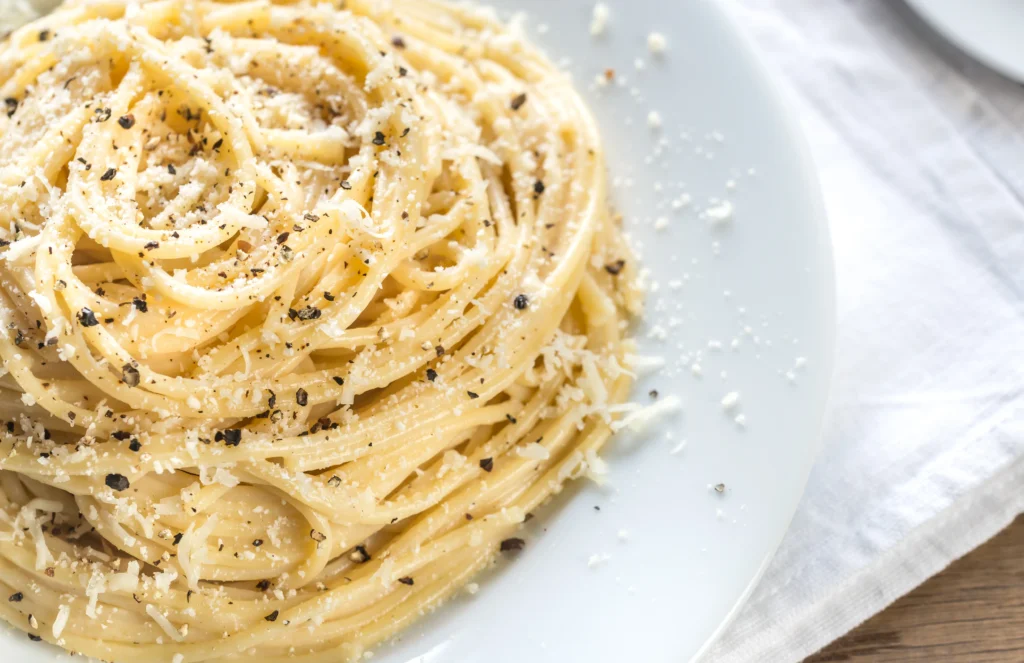
What Is Spaghetti Cacio e Pepe? The History Behind This Authentic Roman Pasta
The name Cacio e Pepe comes from two simple Italian words:
- Cacio means cheese.
- Pepe means black pepper.
Although the name sounds simple, this dish represents the heart of Roman cooking: using humble ingredients and creating maximum flavor.
Traditional Cacio e Pepe originated in Rome and the Lazio region of Italy. It was historically associated with shepherds who needed food that was easy to carry, affordable, and long-lasting. Dry pasta, aged cheese, and black pepper were perfect ingredients for travelers because they could survive without refrigeration.
Over time, this simple meal became one of Italy’s most famous pasta dishes. Today, you can find Cacio e Pepe in restaurants throughout Rome, from small family-owned trattorias to high-end Italian restaurants.
Unlike many modern pasta dishes, the traditional version does not contain:
- Cream
- Butter
- Garlic
- Heavy sauces
The creamy texture comes from the combination of starchy pasta water and melted Pecorino Romano cheese, creating a smooth sauce that perfectly coats every strand of spaghetti.
Why This Spaghetti Cacio e Pepe Recipe Is Perfect for Any Occasion
One reason this dish remains popular is because it fits almost any situation. Whether you need a quick dinner after a busy day or want to impress guests with authentic Italian cuisine, this recipe delivers.
Here are some reasons you will love this 20-minute pasta recipe:
1. It Uses Simple Ingredients
You only need a few basic items that are easy to find:
- Spaghetti
- Pecorino Romano cheese
- Black pepper
- Pasta water
- Salt
Despite the short ingredient list, the final result is rich, flavorful, and satisfying.
2. It Is Fast and Easy
Many Italian recipes require slow cooking, but this Roman classic is different. From boiling the pasta to creating the sauce, the entire process can be completed in around 20 minutes.
3. It Creates a Creamy Sauce Without Cream
The biggest surprise for many home cooks is that Cacio e Pepe does not need cream. The silky texture comes from proper mixing and the natural starch released from the pasta.
4. It Is Budget-Friendly
You do not need expensive ingredients to create an authentic Italian meal. A few quality ingredients are enough to prepare a restaurant-style dish.
Authentic Spaghetti Cacio e Pepe Recipe Ingredients
The secret to a great Cacio e Pepe starts with choosing the right ingredients. Since this recipe has only a few components, quality matters.
Ingredients Table
| Ingredient | Quantity | Purpose |
|---|---|---|
| Spaghetti | 400 grams | The traditional pasta base |
| Pecorino Romano cheese (finely grated) | 150 grams | Creates the creamy cheese sauce |
| Freshly ground black pepper | 2–3 teaspoons | Adds the signature spicy flavor |
| Pasta water | 1–2 cups | Helps create a smooth sauce |
| Salt | As needed | Enhances the pasta flavor |
Choosing the Best Ingredients for Authentic Cacio e Pepe
Use Pecorino Romano Cheese
The most important ingredient in this recipe is Pecorino Romano.
This aged Italian cheese provides:
- A salty flavor
- A slightly sharp taste
- A smooth melting quality
Freshly grated Pecorino works much better than pre-shredded cheese because packaged cheese often contains additives that can prevent it from melting properly.
Choose Good Quality Spaghetti
Traditional Roman cooks often use long pasta such as spaghetti or tonnarelli. Choose a good-quality pasta that holds its shape and absorbs the sauce well.
Look for:
- Bronze-cut pasta when available
- Durum wheat semolina pasta
- Pasta that maintains an al dente texture
Freshly Ground Black Pepper Makes a Difference
Black pepper is not just a seasoning in this recipe. It is one of the main flavors.
Grinding pepper just before cooking releases natural oils and creates a stronger aroma.
How to Make Spaghetti Cacio e Pepe in 20 Minutes
Making authentic Cacio e Pepe is simple, but technique matters. Follow these steps carefully to achieve the perfect creamy consistency.
Step 1: Cook the Spaghetti Correctly
Start by bringing a large pot of water to a boil.
Add salt and cook the spaghetti until it reaches an al dente texture.
This means:
- The pasta should be tender but still slightly firm.
- It should have a pleasant bite.
- It should not be soft or overcooked.
Before draining your pasta, save at least one or two cups of the cooking water.
This water is the secret ingredient that creates the sauce.
Step 2: Prepare the Pepper Base
While your pasta cooks, prepare the pepper mixture.
Follow these steps:
- Add freshly ground black pepper to a dry pan.
- Toast it gently for about 30 seconds.
- Add a small amount of pasta water.
- Allow the pepper flavors to infuse into the liquid.
This step enhances the aroma and creates a stronger pepper flavor throughout the dish.
Step 3: Create the Pecorino Cheese Sauce
This is the most important part of the recipe.
Instead of adding cheese directly into very hot pasta, create a smooth cheese mixture first.
Follow these steps:
- Place finely grated Pecorino Romano in a bowl.
- Add a small amount of warm pasta water.
- Mix until you create a smooth paste.
The goal is to create a creamy cheese mixture without lumps.
Step 4: Combine Everything Together
Now comes the final step.
- Add cooked spaghetti to the pepper pan.
- Toss the pasta with the pepper mixture.
- Remove from excessive heat.
- Slowly add the Pecorino mixture.
- Keep tossing until the sauce becomes silky.
If the sauce feels too thick, add a little more pasta water.
The final texture should be:
- Glossy
- Creamy
- Smooth
- Evenly coating every strand
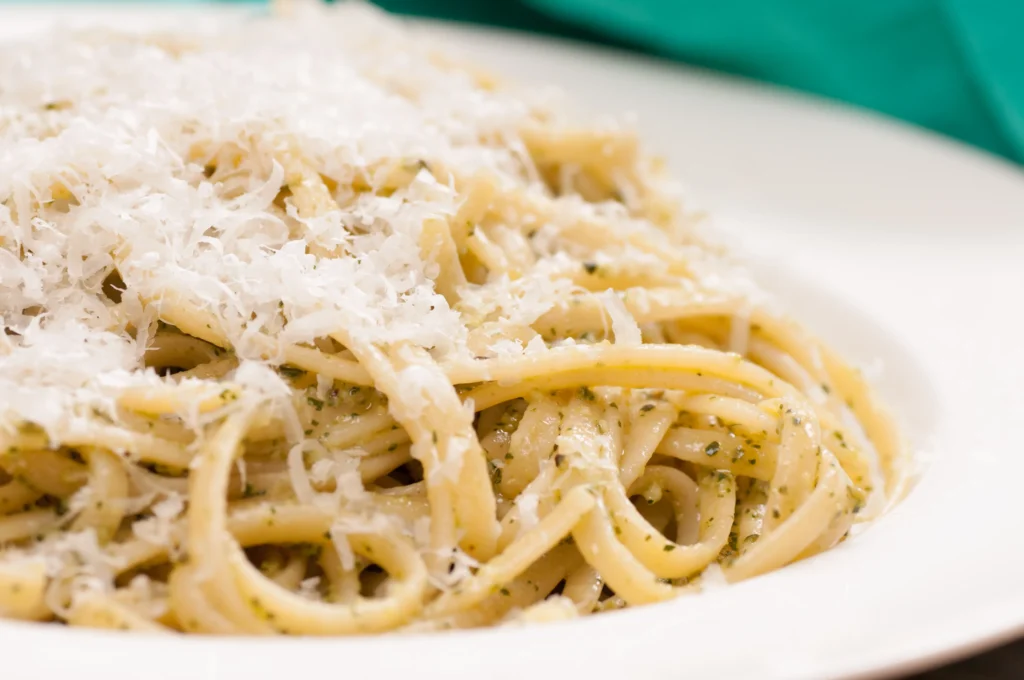
The Secret Behind the Perfect Cacio e Pepe Sauce
Many people think the creamy texture comes from cheese alone, but the real secret is emulsification.
An emulsion happens when two ingredients that normally separate combine into a smooth mixture.
In this recipe, the magic happens between:
- Pasta starch
- Cheese fats
- Water
The starch from the pasta water helps the cheese create a creamy coating instead of becoming dry or clumpy.
This is why saving pasta water is one of the most important steps in making authentic Cacio e Pepe.
Common Mistakes When Making Spaghetti Cacio e Pepe
Even though this recipe looks simple, small mistakes can affect the final result.
Mistake 1: Adding Cheese Over High Heat
One of the most common problems is adding Pecorino while the pasta is extremely hot.
The result:
- Cheese becomes grainy.
- Sauce separates.
- Texture becomes unpleasant.
Solution:
Allow the pasta temperature to reduce slightly before adding the cheese mixture.
Mistake 2: Using Cold Cheese
Cold cheese does not combine easily with pasta water.
Solution:
Let your grated cheese sit at room temperature before preparing the sauce.
Mistake 3: Not Saving Enough Pasta Water
Without pasta water, your sauce may become:
- Too thick
- Dry
- Difficult to mix
Always reserve extra water before draining your pasta.
Mistake 4: Using Too Much Cheese at Once
Adding all the cheese immediately can create lumps.
Better Method:
Add it gradually while continuously tossing the pasta.
Traditional vs Modern Spaghetti Cacio e Pepe Variations
While traditional Roman cooks prefer keeping this dish simple, modern versions have introduced creative variations.
Traditional Roman Cacio e Pepe
The authentic version contains only:
- Spaghetti
- Pecorino Romano
- Black pepper
- Pasta water
This is the recipe that represents Roman culinary tradition.
Modern Variations
You can experiment with:
Lemon Cacio e Pepe
Add a small amount of lemon zest for freshness.
Parmesan and Pecorino Blend
Mixing Parmesan with Pecorino creates a slightly milder flavor.
Vegetable Additions
Some modern versions include:
- Peas
- Asparagus
- Roasted vegetables
However, if you want the true Roman experience, keep the recipe simple.
Expert Tips for Restaurant-Quality Spaghetti Cacio e Pepe
Use these professional tips to improve your results:
Tip 1: Grate Cheese Finely
Fine cheese melts more evenly and creates a smoother sauce.
Tip 2: Keep Pasta Water Ready
The sauce can quickly become thick, so always keep extra pasta water nearby.
Tip 3: Serve Immediately
Cacio e Pepe tastes best right after preparation because the sauce becomes thicker as it cools.
Tip 4: Toss Instead of Stirring
Professional chefs often toss pasta because it helps distribute the sauce evenly.
Tip 5: Taste Before Adding Salt
Pecorino Romano is naturally salty, so you may need less additional salt than expected.
What to Serve With Spaghetti Cacio e Pepe
Although this dish is delicious on its own, you can pair it with simple Italian sides.
Side Dish Ideas:
- Fresh green salad
- Bruschetta
- Roasted vegetables
- Garlic bread
- Italian antipasto
Drink Pairings:
- Sparkling water
- Italian white wine
- Light red wine
Keep the sides simple so they do not overpower the pasta.
Spaghetti Cacio e Pepe Nutrition Information
Nutrition values can vary depending on portion size and ingredients.
Approximate Nutrition Per Serving
| Nutrient | Amount |
|---|---|
| Calories | 500–600 kcal |
| Protein | 20–25 grams |
| Carbohydrates | 70–80 grams |
| Fat | 15–20 grams |
| Fiber | 3–5 grams |
This recipe provides energy from pasta while offering protein and calcium from Pecorino Romano cheese.
Frequently Asked Questions About Spaghetti Cacio e Pepe Recipe
What is the authentic Spaghetti Cacio e Pepe Recipe made of?
The authentic Spaghetti Cacio e Pepe Recipe uses only four main ingredients: spaghetti, Pecorino Romano cheese, black pepper, and pasta water. The creamy sauce comes from combining cheese with pasta starch.
How long does it take to make Spaghetti Cacio e Pepe?
A traditional Spaghetti Cacio e Pepe Recipe takes around 20 minutes from start to finish, making it an excellent quick Italian dinner option.
Can you make Cacio e Pepe without Pecorino Romano?
Yes, you can substitute other cheeses, but the flavor will not be exactly traditional. Pecorino Romano provides the classic salty and sharp taste associated with Roman pasta.
Why is my Cacio e Pepe sauce not creamy?
The sauce usually becomes grainy because of high heat or incorrect mixing. Always combine cheese with warm pasta water first and avoid adding cheese directly over intense heat.
Is Spaghetti Cacio e Pepe vegetarian?
Yes, traditional Cacio e Pepe is vegetarian because it contains pasta, cheese, pepper, and water.
Can you prepare Cacio e Pepe ahead of time?
This dish is best served immediately. Reheating can change the texture because the cheese sauce may become thick and less creamy.
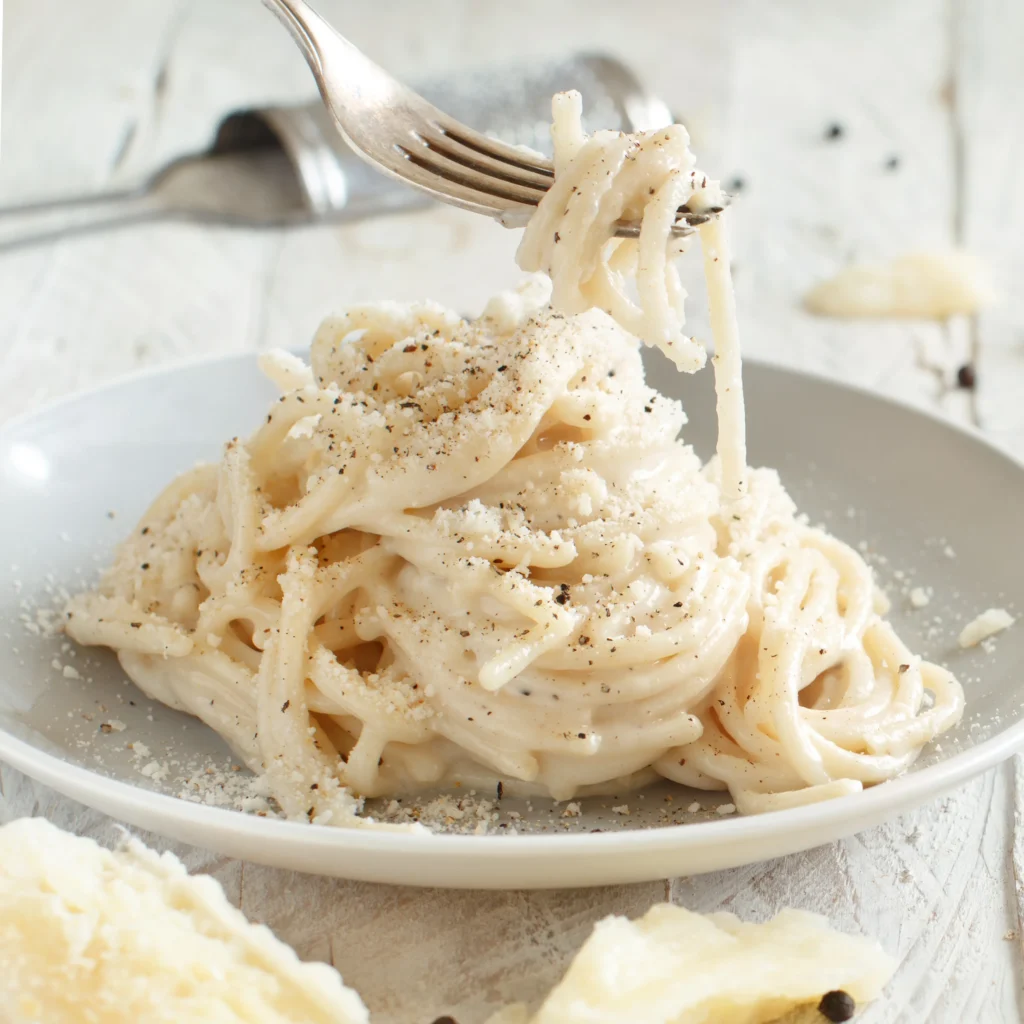
Conclusion: Make Authentic Spaghetti Cacio e Pepe at Home
The Spaghetti Cacio e Pepe Recipe proves that unforgettable meals do not require complicated ingredients. With just spaghetti, Pecorino Romano, black pepper, and a little pasta water, you can create a dish that represents centuries of Roman cooking tradition.
The secret is not adding more ingredients — it is mastering the technique. By controlling the temperature, using quality cheese, and understanding how pasta water creates the sauce, you can prepare a creamy and authentic Roman pasta dish in only 20 minutes.
Now it is your turn to bring a taste of Rome into your kitchen. Gather your ingredients, follow these steps, and enjoy a classic Italian recipe that has stood the test of time.
Try this authentic Spaghetti Cacio e Pepe Recipe today and experience how simple ingredients can create extraordinary flavor.
Table of Contents
Whipped Feta Dip Recipe: Creamy, Easy & Irresistible – labelrecipes.com