
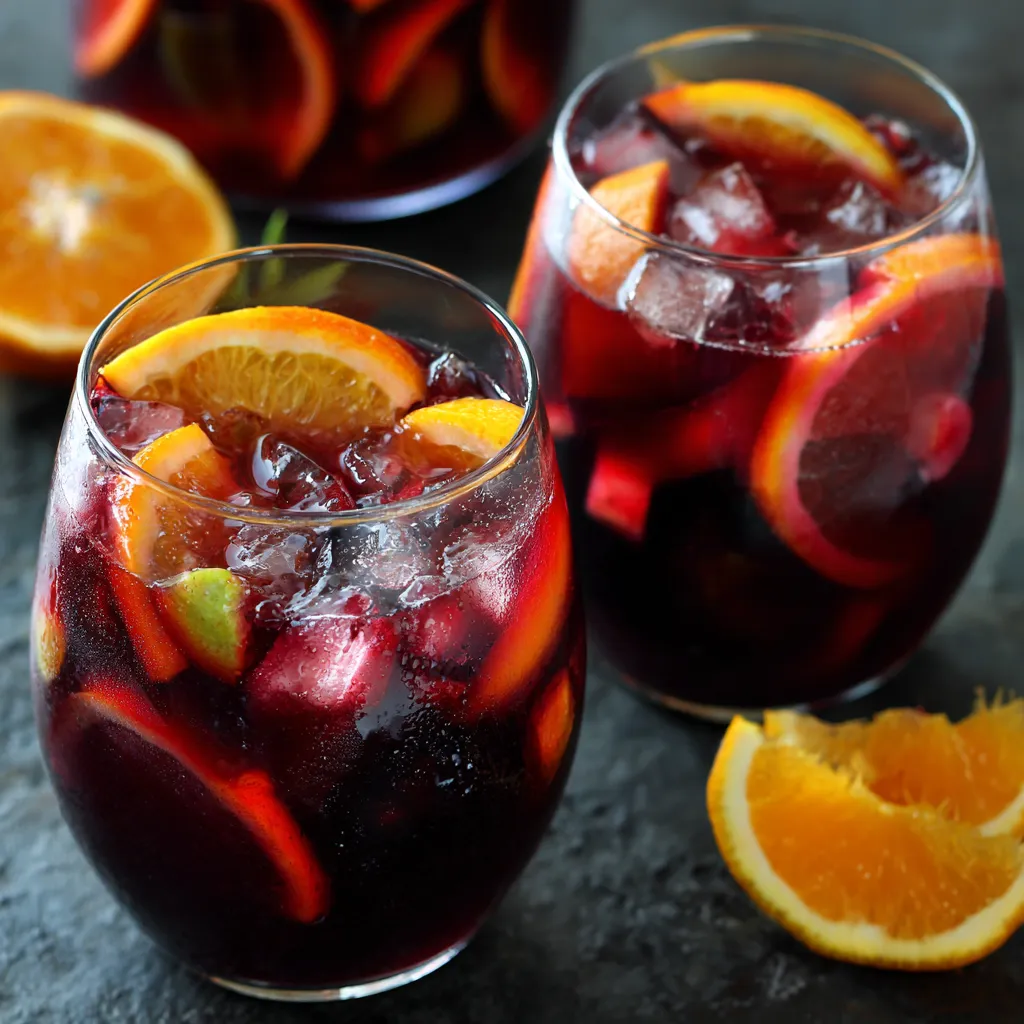
A Drink That Feels Like a Summer Memory in a Glass
You don’t really forget your first real sip of sangria.
Maybe it was on a warm evening where everything felt slower than usual. Maybe you were sitting outside, surrounded by noise, laughter, music, and a glass filled with red wine, fruit, and something you couldn’t quite name—but you knew it felt right.
That’s the magic of a Spanish Sangria Recipe. It’s not just a drink you mix. It’s something you build. Something that slowly transforms ordinary ingredients into a shared experience.
When you make it yourself, you’re not copying a recipe—you’re recreating a feeling that has lived in Spanish culture for generations. A drink meant for connection, not consumption.
And once you understand how simple it is, you’ll wonder why you didn’t start making it sooner.
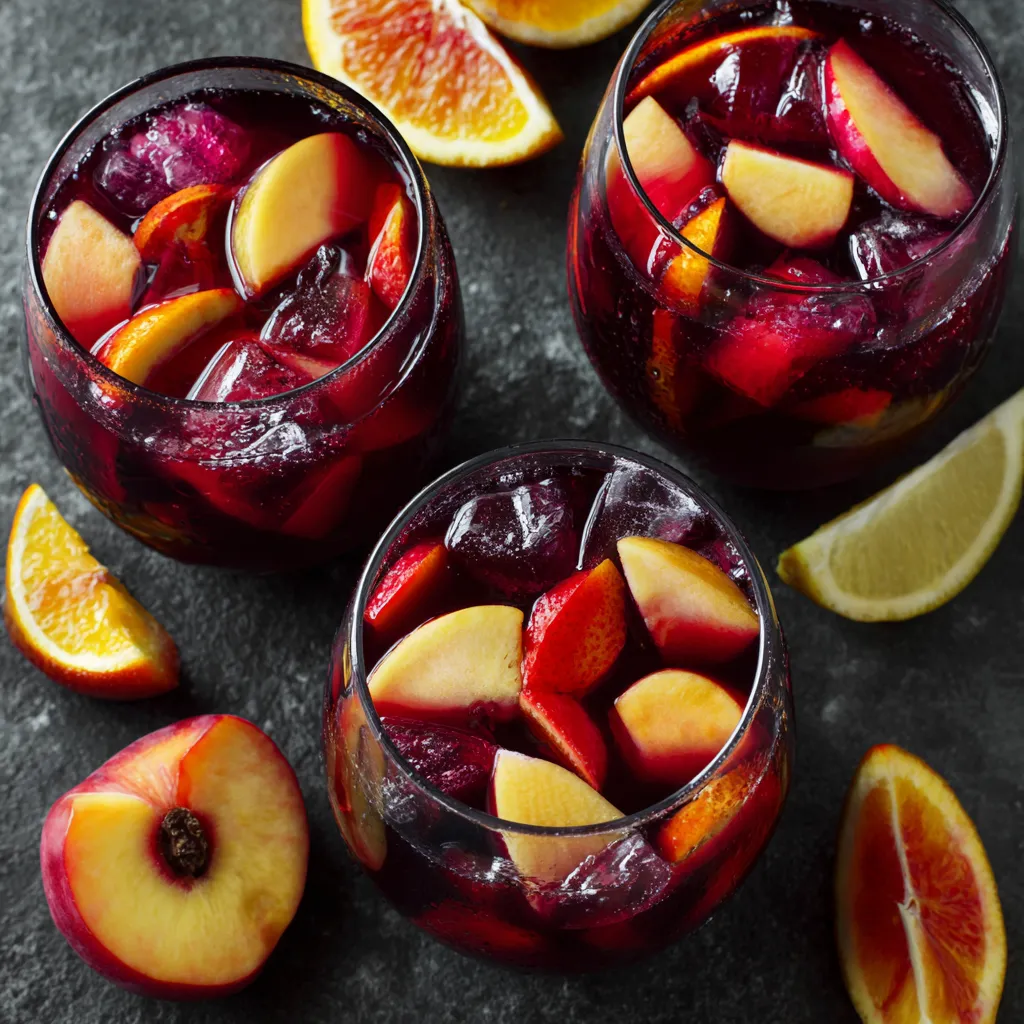
What Is Spanish Sangria? A Drink Rooted in Culture, Not Trends
A Traditional Spanish Classic
Sangria comes from Spain, where it has long been part of everyday social life. It wasn’t created to impress or look fancy. It was created to bring people together using simple, available ingredients: wine, fruit, and time.
Over the years, it traveled beyond Spain’s borders, showing up at restaurants, summer parties, and holiday tables worldwide. But the authentic version still carries the same idea: sharing something refreshing with people you care about.
Why It Still Matters Today
Even now, sangria fits perfectly into modern life because it offers something rare:
- A slow, relaxed drinking experience
- A naturally fruity flavor without artificial taste
- A social drink meant for sharing, not rushing
In a world where everything moves fast, sangria forces you to slow down just a little.
The Heart of a Spanish Sangria Recipe: Simple Ingredients, Deep Flavor
The beauty of a Spanish Sangria Recipe is that it doesn’t rely on complexity. Instead, it depends on balance.
Core Ingredients You’ll Always Need
- Red wine (dry or medium-bodied works best)
- Fresh citrus fruits (orange and lemon are essential)
- A touch of sweetness (sugar, honey, or syrup)
- Brandy or orange liqueur for depth
Fruit That Brings It to Life
You’re not limited here. The fruit is where you can shape your sangria’s personality:
- Apples for crunch and freshness
- Peaches for softness and sweetness
- Berries for color and slight tartness
- Grapes for extra juiciness
Optional Enhancers (But Highly Recommended)
- Cinnamon sticks for warmth
- Mint leaves for freshness
- Sparkling water for a light finish
Each addition changes the drink slightly, allowing you to build your own version while staying true to the original spirit.
Spanish Sangria Recipe (Step-by-Step Guide You Can Follow Easily)
Making sangria is less about strict rules and more about timing and patience.
Step 1: Prepare Your Fruit
Start by slicing everything into bite-sized pieces. You don’t want anything too small or it will disappear in the wine. You also don’t want overly large chunks that feel awkward in a glass.
Step 2: Build the Base
In a large pitcher, combine:
- Red wine
- Brandy
- Sweetener of your choice
Stir slowly so everything blends without breaking the wine structure too much.
Step 3: Add the Fruit
Drop in your prepared fruit and gently mix. At this stage, it already starts looking like something special.
Step 4: Let It Rest
This is where patience matters.
Place your mixture in the refrigerator for at least 2 to 4 hours. If you can leave it overnight, even better. The fruit slowly releases its flavor into the wine, creating depth you can’t rush.
Step 5: Final Touch Before Serving
Right before serving, add a splash of sparkling water if you want a lighter finish. Stir gently again.
Now it’s ready.
Spanish Sangria Ingredients Table (Classic Version)
| Ingredient | Quantity |
|---|---|
| Red wine | 1 bottle (750ml) |
| Orange (sliced) | 1 |
| Lemon (sliced) | 1 |
| Apple (diced) | 1 |
| Brandy | 1/4 cup |
| Sugar or honey | 2 tablespoons |
| Sparkling water | 1 cup (optional) |
| Cinnamon stick | 1–2 sticks |
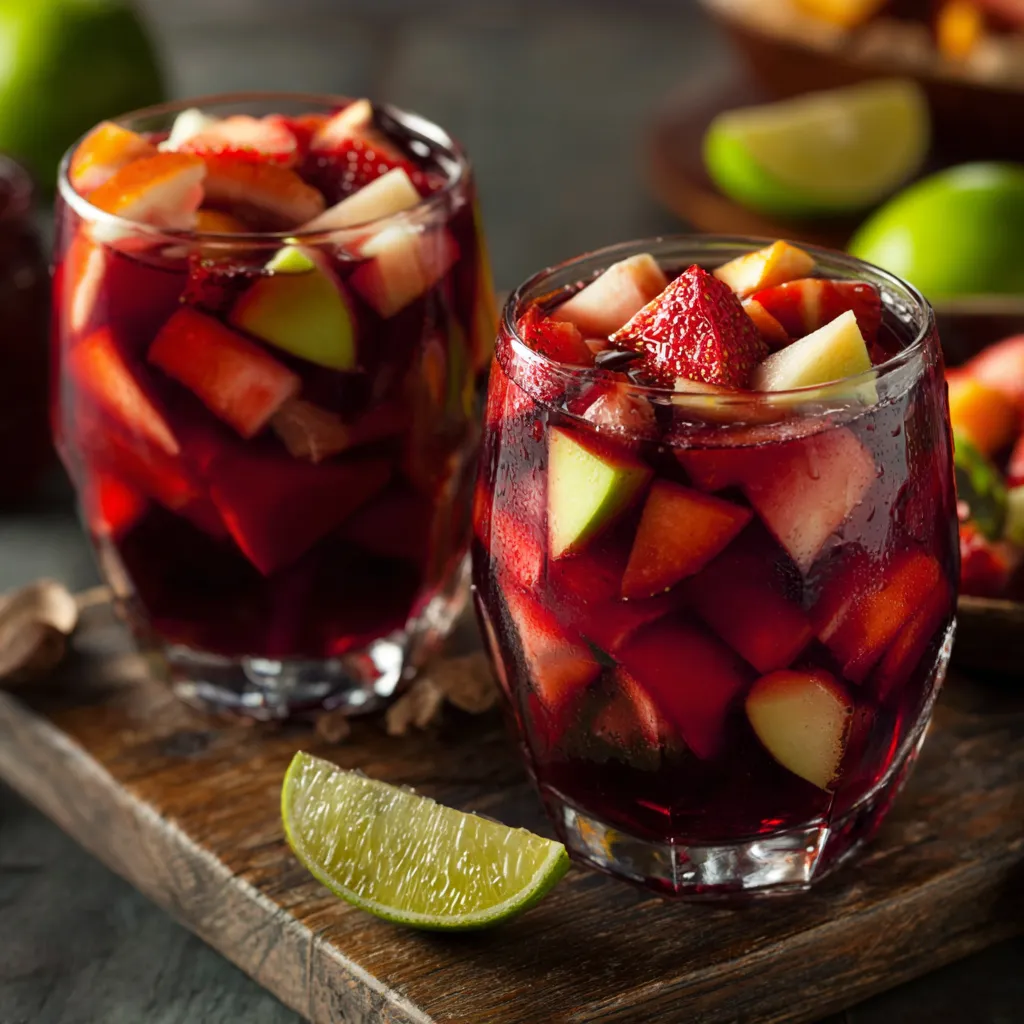
Different Styles of Spanish Sangria You Can Try
Once you understand the base, you can adjust it depending on your mood or occasion.
Traditional Red Sangria
This is the version most people imagine. Deep, fruity, slightly strong, and rich in color.
It works best when you want something bold and classic.
White Sangria (Sangria Blanca)
Here, you switch red wine for white wine. The result is lighter, fresher, and more citrus-forward.
It feels like a summer afternoon in liquid form.
Sparkling Sangria
Adding sparkling wine or cava turns sangria into something festive. The bubbles lift the entire drink, making it perfect for celebrations.
Non-Alcoholic Sangria
If you want the flavor without alcohol, replace wine with grape juice or a mix of fruit juices. You still get the fruity complexity, just in a softer form.
Expert Tips to Make Your Spanish Sangria Recipe Taste Better
Choose Wine That Doesn’t Overpower the Fruit
You don’t need an expensive bottle. In fact, overly strong wine can dominate the fruit. A simple, dry Spanish wine works best.
Let Time Do the Work
The biggest mistake is rushing it. Sangria improves as it rests. The longer it sits, the more balanced it becomes.
Don’t Overdo the Sweetness
Fruit already adds natural sugar. You only need a small amount of added sweetener. Too much ruins the balance.
Add Fresh Elements Right Before Serving
Mint, soda, or extra citrus should always be added at the end so they stay fresh and vibrant.
Common Mistakes You Should Avoid
Serving It Immediately
If you drink it right after mixing, it will taste flat and disconnected. Time is part of the recipe.
Using Low-Quality Fruit
Soft or overripe fruit can make the drink taste muddy instead of refreshing.
Ignoring Balance
Too much alcohol or too much sweetness throws everything off. Sangria works when everything feels in harmony.
What to Serve With Spanish Sangria
Sangria is rarely enjoyed alone. It naturally belongs with food.
Classic Spanish Tapas
- Patatas bravas
- Jamón ibérico
- Olives
- Manchego cheese
Light Summer Dishes
- Grilled seafood
- Fresh salads
- Roasted vegetables
Party Snacks
- Finger foods
- Mini sandwiches
- Cheese boards
The goal is simple: keep things relaxed and easy to share.
Why You’ll Keep Coming Back to This Spanish Sangria Recipe
There’s something about sangria that feels different from other drinks. It doesn’t rush you. It doesn’t demand attention. It simply exists as part of the moment.
You start noticing how people slow down when they drink it. Conversations last longer. Plates stay on the table a bit more. The evening stretches out in a way it normally wouldn’t.
That’s what makes it special.
FAQ – Spanish Sangria Recipe
What is the best wine for a Spanish sangria recipe?
A dry or medium-bodied red wine, especially Spanish varieties like Tempranillo, works best.
How long should sangria sit before serving?
At least 2–4 hours, but overnight resting gives the richest flavor.
Can I make Spanish sangria without alcohol?
Yes, you can use grape juice or fruit juice as a base for a non-alcoholic version.
What fruits work best in sangria?
Citrus fruits, apples, berries, and peaches are the most commonly used.
Should sangria be served cold?
Yes, it should always be well chilled for the best taste experience.
Conclusion: Bring the Spirit of Spain Into Your Glass
A Spanish Sangria Recipe is more than a set of instructions—it’s a way to slow down, connect, and enjoy something simple but meaningful.
When you make it at home, you’re not just mixing wine and fruit. You’re creating an atmosphere. One that invites conversation, relaxation, and shared moments.
Once you try it, you won’t just remember the taste—you’ll remember the feeling it created.
So now it’s your turn. Gather your ingredients, let it rest, and pour yourself a glass that feels like a small escape.
And if you enjoy it, don’t keep it to yourself—share it, serve it, and make it part of your own moments.
Table of Contents
Classic Spanish Sangria Recipe
Creative Leftover Chicken Recipes You Need to Try – labelrecipes.com