
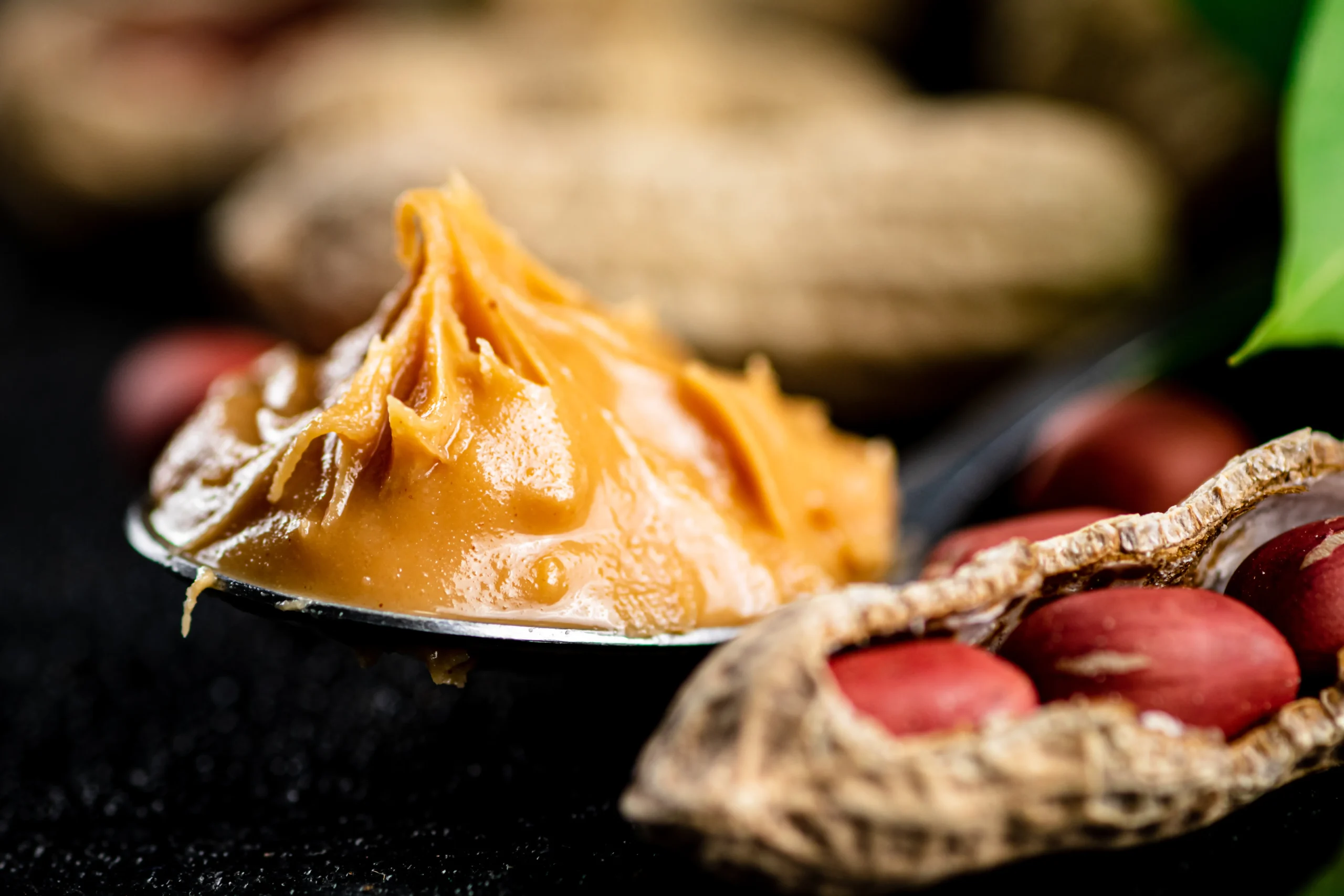
Imagine the moment you drizzle a velvety, nutty sauce over your favorite dish. Maybe it’s chicken skewers, a fresh noodle bowl, or even crisp vegetables. That first bite hits differently—it’s savory, slightly sweet, and carries just the right hint of spice. You think: “How did this happen? Why can’t I ever make this at home?”
You’re not alone. Many home cooks struggle to nail the perfect peanut sauce. It’s easy to end up with something too thick, too salty, or too sweet. But once you understand the fundamentals, peanut sauce stops being a tricky condiment and starts being your secret weapon in the kitchen. Today, you’ll discover exactly how to make peanut sauce that’s creamy, balanced, and utterly irresistible—every single time.
Why Peanut Sauce Is a Culinary Game-Changer
The Versatility of Peanut Sauce
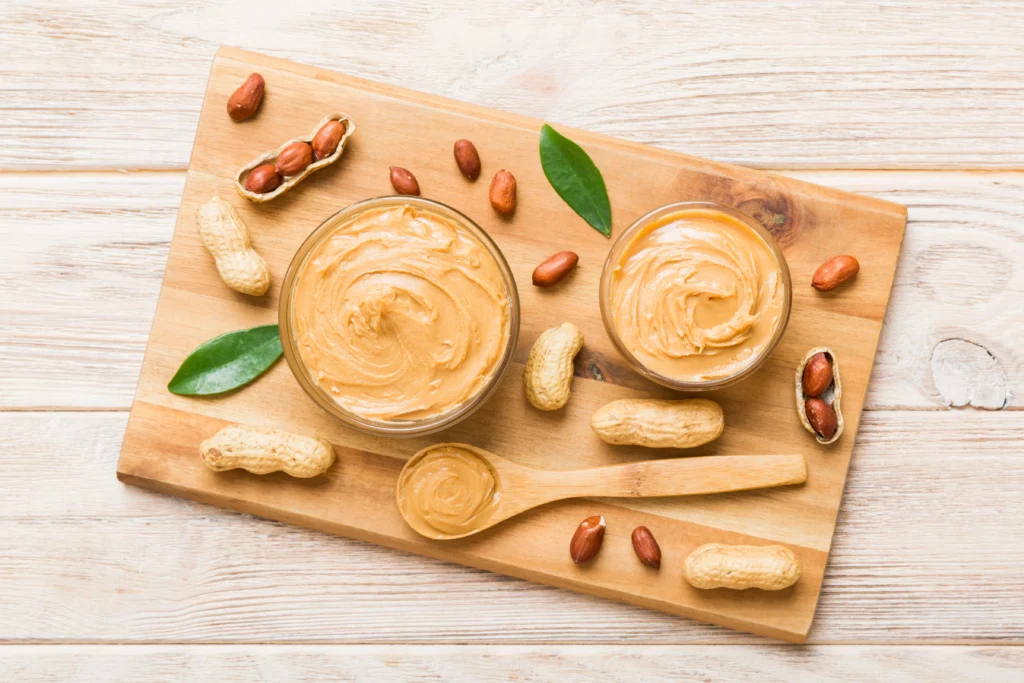
Peanut sauce is more than just a dip. Its rich, creamy texture and complex flavor make it one of the most versatile condiments you can have in your repertoire. Here’s why:
- Pairs with a wide variety of dishes: From chicken satay and grilled tofu to fresh spring rolls and noodle bowls, peanut sauce enhances almost anything.
- Adds depth and richness: Even simple steamed vegetables become a culinary delight when coated in peanut sauce.
- Transforms meals instantly: It’s one of those magic ingredients that turns a basic dinner into something memorable.
Think of peanut sauce as your go-to flavor booster. When you master it, you’re never limited to just one type of cuisine—you can experiment with Asian-inspired dishes, fusion recipes, or even salads and wraps.
Nutritional Benefits of Peanut Sauce
Beyond its taste, peanut sauce is also surprisingly nutritious:
- Protein-packed: Peanut butter is a natural source of plant-based protein.
- Healthy fats: The monounsaturated fats in peanuts are heart-friendly.
- Vitamins and minerals: You get vitamin E, niacin (B3), magnesium, and potassium—all essential for energy and well-being.
By making peanut sauce at home, you can also control sugar and sodium content, creating a healthier alternative to store-bought versions.
Ingredients That Make the Perfect Peanut Sauce
Essential Ingredients
The secret to a flawless peanut sauce lies in the quality and balance of ingredients. Here’s what you’ll need:
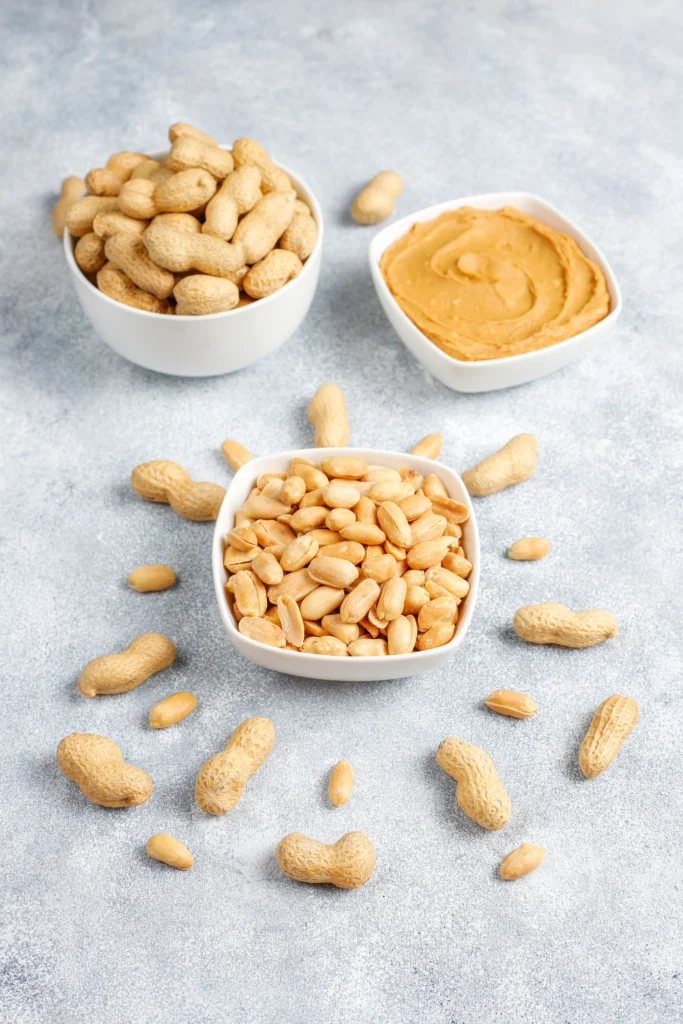
- Peanut butter: Creamy works best for a smooth texture; chunky if you like some bite.
- Soy sauce or tamari: Adds the savory umami kick.
- Sweetener: Honey, maple syrup, or brown sugar balance the saltiness.
- Acid: Lime juice or rice vinegar brightens and lifts the flavors.
- Garlic and ginger: Provide depth and aromatic warmth.
- Chili: Optional, for heat.
Optional Enhancements
If you want to elevate your sauce even further, consider adding:
- Coconut milk: Creates extra creaminess and a subtle tropical flavor.
- Fish sauce: Adds a punch of umami for those who enjoy savory complexity.
- Water or broth: To adjust consistency for drizzling, dipping, or stir-frying.
Table: Peanut Sauce Ingredients & Quantities
| Ingredient | Quantity | Purpose |
|---|---|---|
| Peanut Butter | 1/2 cup | Base & creaminess |
| Soy Sauce | 3 tbsp | Saltiness & umami |
| Honey | 1 tbsp | Sweetness balance |
| Lime Juice | 2 tbsp | Acidity & brightness |
| Garlic (minced) | 1 clove | Flavor depth |
| Water/Broth | 1/4 cup | Adjust consistency |
| Chili Flakes | 1 tsp | Optional heat |
Step-by-Step Guide to Making Perfect Peanut Sauce
Preparation Steps
Making peanut sauce doesn’t have to be intimidating. Follow these steps:
- Combine ingredients: Add peanut butter, soy sauce, sweetener, lime juice, garlic, and chili to a mixing bowl.
- Whisk or blend: Use a whisk or blender to combine until smooth.
- Adjust consistency: Gradually add water or broth until your desired thickness is reached.
- Taste and tweak: Adjust sweetness, saltiness, or acidity to balance the flavors perfectly.
Tips for Creamy, Lump-Free Sauce
- Warm water or coconut milk helps emulsify the sauce.
- Use a food processor or immersion blender for silky smoothness.
- Avoid overcooking; gentle heat preserves flavor and texture.
By following these steps, you can guarantee a peanut sauce that’s silky, balanced, and ready to elevate any dish.
Common Peanut Sauce Mistakes and How to Avoid Them
Even seasoned cooks stumble with peanut sauce sometimes. Here are common pitfalls and how to fix them:
- Too thick or too runny: Add liquid slowly, whisk gradually, and monitor consistency.
- Overpowering sweetness or saltiness: Taste as you go; small adjustments prevent flavor overload.
- Burnt or bitter flavor: Heat gently, especially if warming the sauce after preparation.
Remember: peanut sauce is forgiving if you approach it with patience and careful tasting.
Creative Ways to Use Peanut Sauce
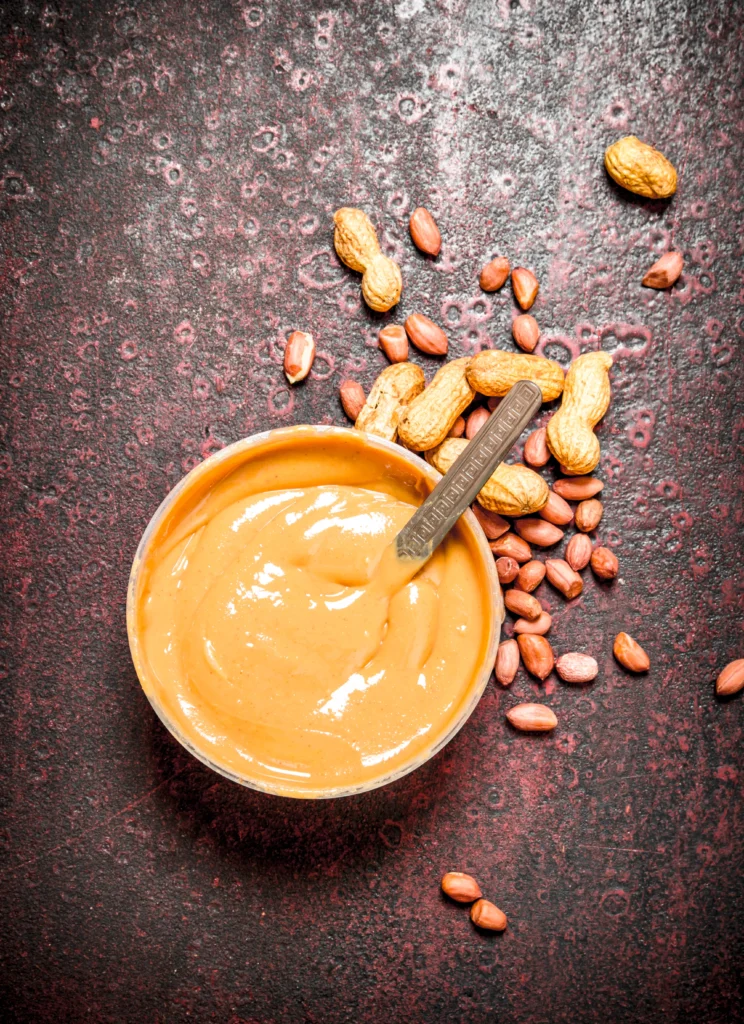
Peanut sauce is versatile. Here’s how you can incorporate it into meals:
Dips and Appetizers
- Fresh vegetable sticks like carrots, cucumber, and bell peppers
- Spring rolls or dumplings
- Crispy wontons
Main Courses
- Chicken or beef satay skewers
- Tofu or tempeh stir-fries
- Noodle or rice bowls
Salad Dressings
- Mix with rice vinegar, sesame oil, or a touch of honey for an Asian-inspired salad dressing
- Toss with leafy greens, shredded carrots, and grilled chicken for a quick, flavorful lunch
By experimenting with different dishes, you’ll discover endless ways peanut sauce can elevate your meals.
FAQ – Peanut Sauce Tips & Tricks
Q: Can I make peanut sauce ahead of time?
- Absolutely. Store in an airtight container in the fridge for up to a week. Re-stir before use.
Q: How do I adjust spiciness?
- Add chili paste, red pepper flakes, or sriracha gradually until you reach your preferred heat level.
Q: Can I make peanut sauce vegan?
- Yes. Replace fish sauce with soy sauce or tamari. Use plant-based sweeteners and coconut milk for creaminess.
Q: Why is my peanut sauce grainy?
- Using chunky peanut butter or not blending thoroughly can create texture issues. For smooth sauce, use creamy peanut butter and blend completely.
Q: Can I freeze peanut sauce?
- You can freeze it in an airtight container for up to 3 months. Thaw in the fridge and whisk before use.
Conclusion – Master the Art of Peanut Sauce
Now that you know the secrets to perfect peanut sauce, you have the power to transform any meal into a culinary delight. Remember: it’s all about balance—sweet, salty, sour, and spicy—and patience while tasting and adjusting.
Table of Contents
Award-Winning Crockpot Chili Recipe to Try Again – labelrecipes.com