
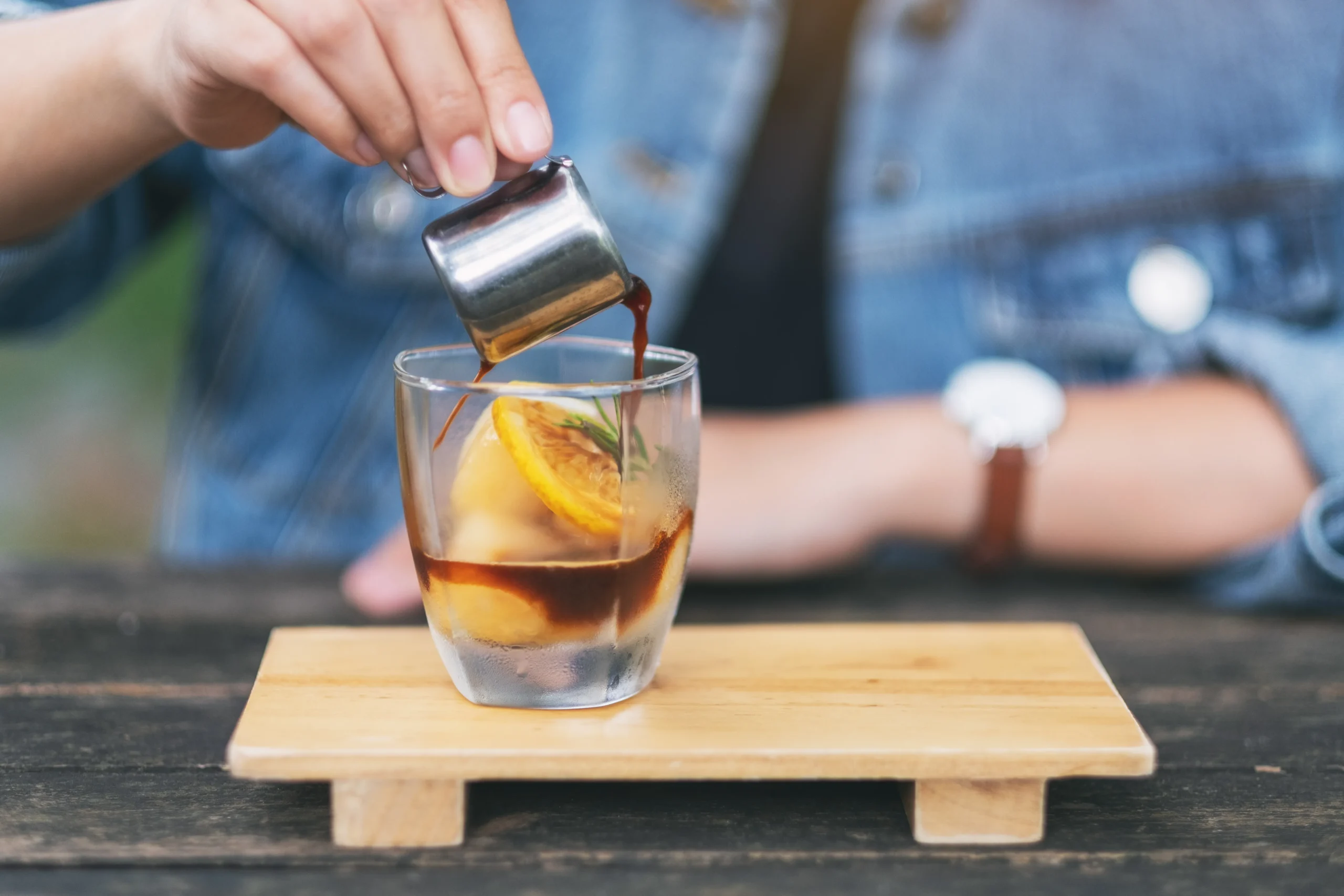
A Coffee Moment That Feels Different
You probably know what coffee is supposed to do—wake you up, sharpen your focus, get you moving. But the Carajillo Recipe doesn’t follow that rulebook.
When you make a Carajillo Recipe with Espresso and Licor 43, you’re not just preparing a drink. You’re creating a pause in your day that feels richer, warmer, and slightly more indulgent than a regular coffee break. It’s the kind of drink you imagine sipping slowly after dinner in a small Spanish café, where the noise fades and the night stretches out comfortably in front of you.
What makes it special for you is the contrast: the deep bitterness of espresso meeting the sweet vanilla-citrus complexity of Licor 43. Nothing feels accidental here. Every sip is balance.
If you’ve ever wanted to bring that café-style experience into your home, this guide walks you through everything you need—step by step, with practical details you can actually use.
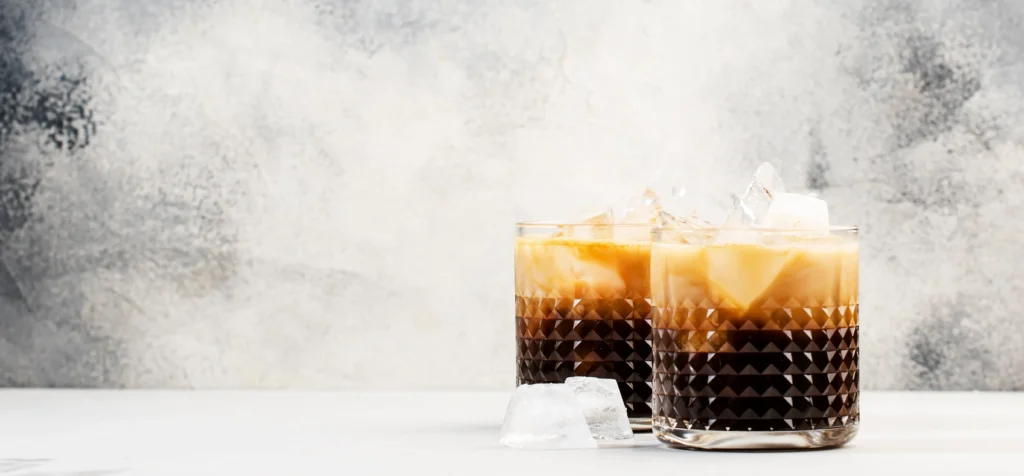
What Is a Carajillo? Understanding the Drink Behind the Recipe
The meaning behind Carajillo
When you explore the Carajillo Recipe, you’re tapping into a Spanish tradition that has evolved over generations. At its core, a carajillo is a simple mix of coffee and alcohol, but its identity goes far beyond that.
Traditionally, it was made with brandy or rum added to hot coffee. Over time, Spain refined it, and modern bars began using Licor 43, a golden Spanish liqueur known for its smooth vanilla-forward profile.
Why Licor 43 changed the modern Carajillo
If you use Licor 43 in your Carajillo Recipe, you immediately notice why it became the preferred choice:
- It brings a natural vanilla sweetness without being sugary
- It contains citrus and spice notes that lift espresso bitterness
- It blends smoothly without overpowering coffee flavor
- It creates a silky texture that feels more “crafted” than harsh spirits
In Spain, ordering a “Carajillo de Licor 43” after dinner is almost a ritual. You’re not just drinking coffee—you’re extending the evening.
Carajillo Recipe Ingredients (Espresso + Licor 43)
Before you begin, you need to get the foundation right. The Carajillo Recipe with Espresso and Licor 43 relies on simplicity, so quality matters more than quantity.
| Ingredient | Quantity | Purpose |
|---|---|---|
| Fresh espresso | 1–2 shots | Base flavor, bitterness, aroma |
| Licor 43 | 30–50 ml | Sweetness, vanilla-citrus depth |
| Ice (optional) | As needed | For iced version |
| Lemon peel | 1 twist | Aromatic lift |
| Coffee beans (optional) | 2–3 beans | Presentation |
Choosing the right espresso
You’ll get the best Carajillo Recipe results when you use:
- Freshly ground Arabica beans
- A medium to dark roast for body
- Espresso pulled within 25–30 seconds
If your espresso is too weak, the drink loses structure. If it’s too bitter, Licor 43 won’t fully balance it.
How You Make the Classic Carajillo Recipe Step by Step
Hot Carajillo (traditional café style)
This version is what you’ll often find in Spanish restaurants after dinner.
- Brew 1–2 fresh shots of espresso
- Pour 30–50 ml of Licor 43 into a small glass
- Slowly add the hot espresso over the liqueur
- Let the layers form naturally or stir gently
- Optional: express lemon peel over the drink for aroma
What you should notice
When done correctly, you’ll experience:
- A warm vanilla aroma rising first
- A soft sweetness before bitterness arrives
- A smooth finish that lingers without harsh alcohol burn
This is the essence of a well-balanced Carajillo Recipe with Espresso and Licor 43.
Iced Carajillo (modern refreshing version)
- Fill a glass with ice cubes
- Add Licor 43 first
- Pour freshly brewed espresso over the ice
- Stir lightly for 5–10 seconds
- Garnish with lemon peel or coffee beans
Why the iced version works so well
- Ice softens espresso bitterness
- Licor 43 becomes more aromatic
- The drink feels lighter and more refreshing
- Perfect for warm evenings or brunch
Expert Tips to Improve Your Carajillo Recipe
Control your ratio carefully
The standard balance is:
- 2 parts espresso
- 1 part Licor 43
Adjust depending on your preference:
- Sweeter → increase Licor 43
- Stronger coffee → increase espresso
Don’t overheat the liqueur
Gentle warming is fine, but overheating destroys delicate vanilla notes.
Use the right glass
- Small rocks glass = stronger aroma
- Heat-resistant tumbler = hot stability
- Tall glass = iced presentation
Layering technique matters
Slow pouring creates a visual gradient and enhances aroma perception.
Variations of the Carajillo Recipe You Can Try
Carajillo with Rum or Brandy
- Rum → smoother, slightly sweet
- Brandy → stronger, more alcoholic warmth
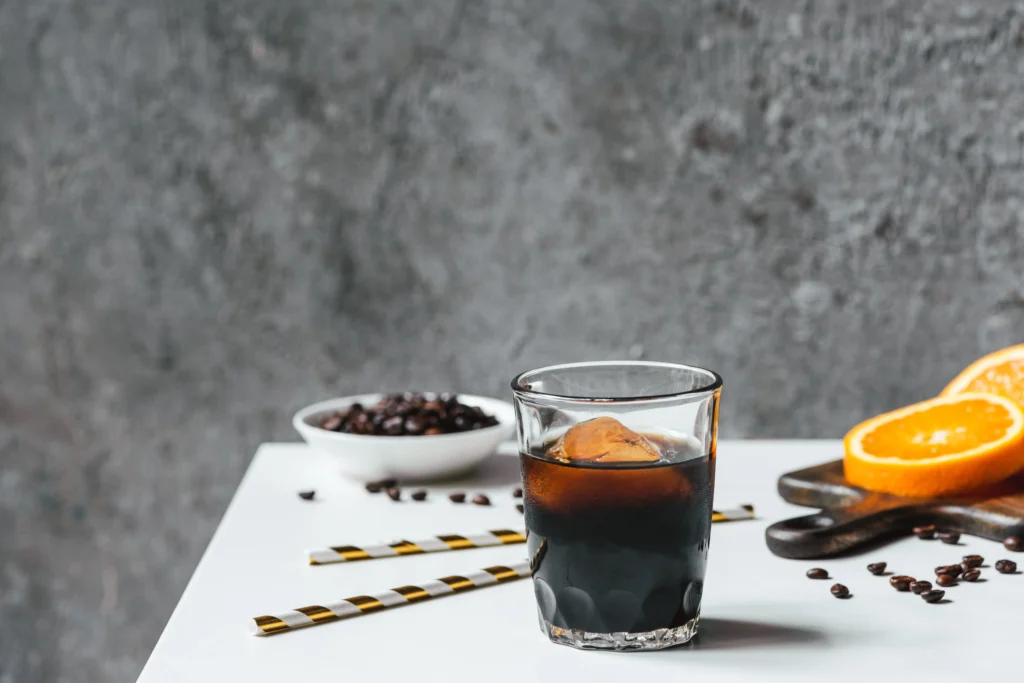
Cold Brew Carajillo
- Less acidic
- More mellow
- Easier to drink slowly
Flambé Carajillo (restaurant style)
Some bars briefly ignite alcohol for aroma depth.
⚠️ Only professionals should attempt this technique.
When You Should Serve a Carajillo
Best occasions
- After-dinner digestif
- Weekend brunch
- Dinner parties
- Late-night conversations
Food pairings
- Dark chocolate desserts
- Tiramisu
- Cheesecake
- Almond cookies
- Caramel-based desserts
Common Mistakes to Avoid
- Using low-quality coffee
- Adding too much Licor 43
- Pouring too fast and losing layering
- Choosing the wrong glass
Nutritional and Alcohol Considerations
- Licor 43 contains ~31% alcohol
- Espresso adds caffeine stimulation
- Combined effect can feel stronger than expected
Avoid excessive consumption, especially if sensitive to caffeine or alcohol.
FAQ – Carajillo Recipe with Espresso and Licor 43
What is a Carajillo Recipe made of?
A Carajillo Recipe is made with espresso and Licor 43 or another spirit like brandy or rum.
Can you make a Carajillo without Licor 43?
Yes, but the flavor profile changes significantly.
Is the Carajillo strong?
Yes, it combines caffeine and alcohol in one drink.
Can you drink Carajillo cold?
Yes, iced versions are very popular.
Why is Licor 43 used?
Because it adds vanilla-citrus sweetness that balances espresso perfectly.
Conclusion – Your Carajillo Moment Starts Here
The Carajillo Recipe with Espresso and Licor 43 is not just another coffee drink—it’s a balance of contrast, warmth, and depth that you can easily recreate at home.
Once you understand how espresso strength and Licor 43 sweetness interact, you can adjust the recipe to match your own taste perfectly.
Now it’s your turn. Make your espresso, pour your Licor 43, and shape your own version of this Spanish classic.
Table of Contents
Carajillo Recipe: How to Make It
Cold and Hot Butterbeer Recipe Ideas Inspired by Harry Potter – labelrecipes.com