
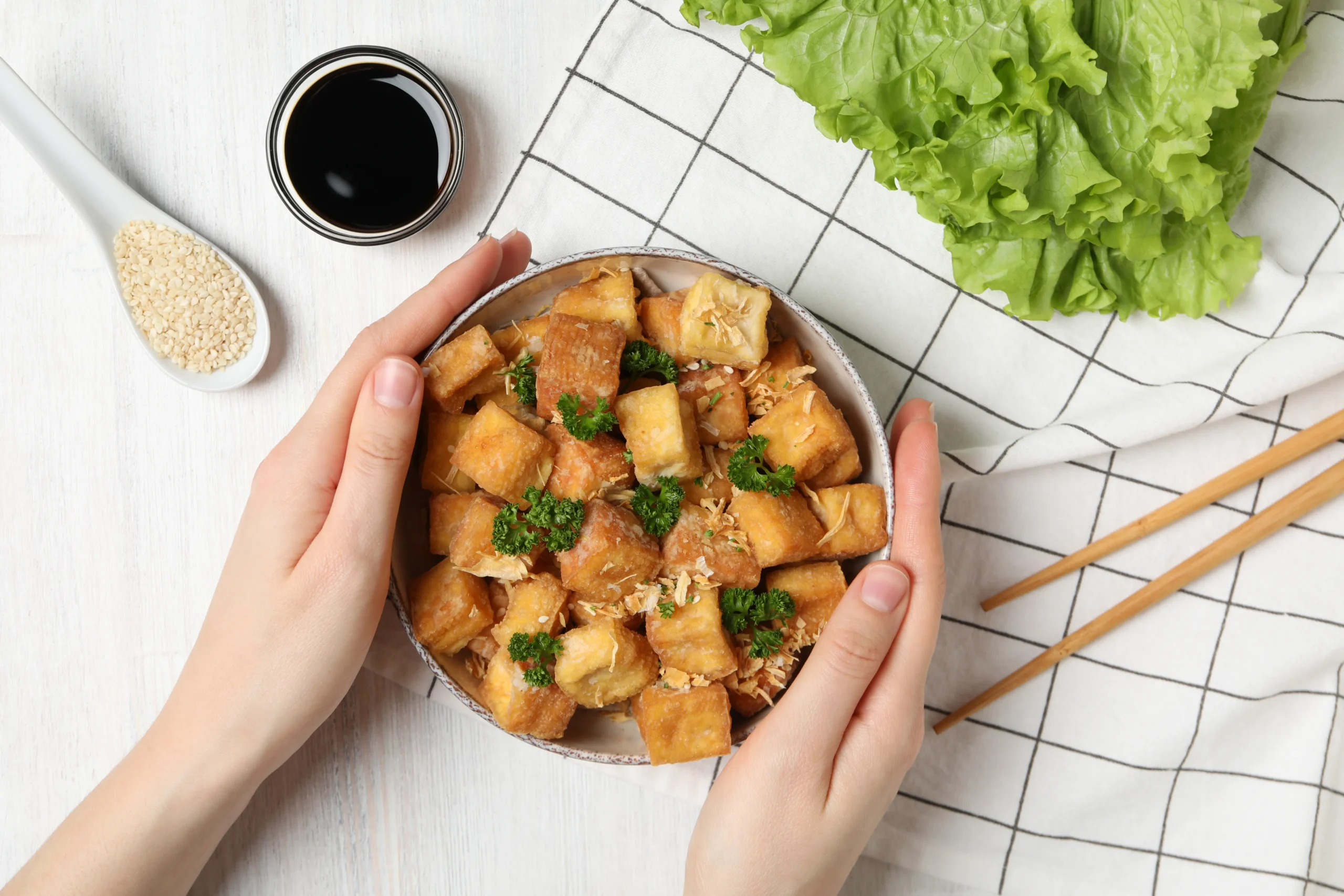
When you think of comfort food, what comes to mind? For many, it’s a steaming bowl of something hearty, satisfying, and full of flavor. If you’re a fan of vibrant, mouthwatering dishes, then Korean Bibimbap is probably on your radar. This popular Korean dish combines rice, sautéed vegetables, savory toppings, and a spicy sauce that’s guaranteed to satisfy your taste buds. But what if you could make a plant-based version that’s just as delicious, if not more so? That’s where Easy Korean Tofu Bibimbap comes in—a healthy, vegan-friendly twist on the traditional recipe.
Imagine this: crispy tofu cubes, tender sautéed vegetables, perfectly cooked rice, and a dash of spicy gochujang sauce, all layered together in one bowl. It’s not only easy to make, but it’s also packed with nutrients, making it a perfect meal for busy weeknights or meal prep sessions. Ready to bring the vibrant flavors of Korea into your own kitchen? Let’s walk through how you can make Korean Tofu Bibimbap at home in just a few simple steps!
What is Korean Tofu Bibimbap?
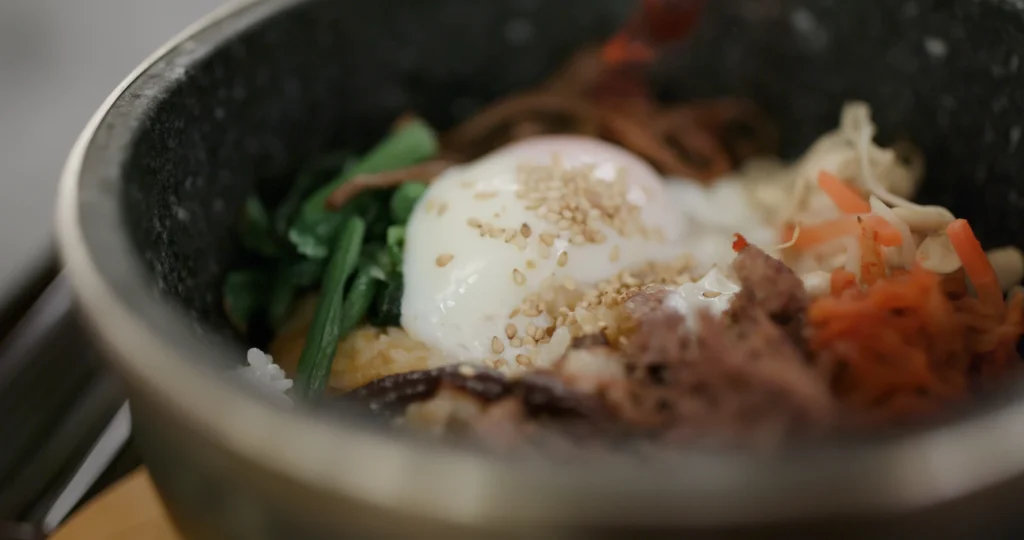
Before we dive into the recipe, it’s important to understand what makes Bibimbap so special. Bibimbap, which translates to “mixed rice” in Korean, is a classic dish that’s as visually appealing as it is delicious. It traditionally consists of rice topped with sautéed vegetables, a protein (such as beef or a fried egg), and a spicy chili paste called gochujang. The beauty of Bibimbap lies in its versatility—you can customize it to your liking, whether you prefer meat, tofu, or a vegan alternative.
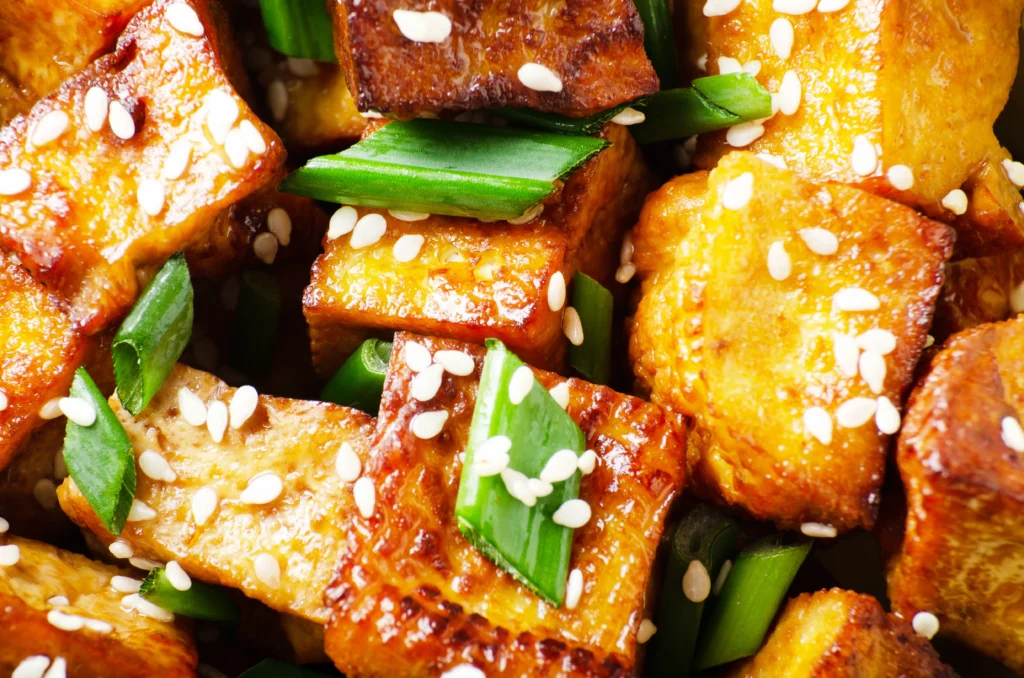
Now, let’s talk about how tofu makes this dish even better. Tofu, a staple in many Asian cuisines, is rich in protein and can absorb the flavors of any ingredients it’s paired with. In this recipe, tofu serves as a plant-based alternative to meat, providing the same savory umami taste without the extra calories or fat. It’s also a great source of protein, making this version of Bibimbap ideal for vegetarians, vegans, or anyone looking to reduce their meat consumption.
Why You Should Make Tofu Bibimbap at Home
1. Customizable to Your Taste
One of the best things about making Korean Tofu Bibimbap at home is that you can make it exactly how you want it. Whether you love extra spice, prefer more vegetables, or want to switch up the protein, the options are endless. You’re in control of what goes into your bowl, so you can tailor it to suit your taste buds perfectly.
2. Quick and Easy
In our busy lives, finding time to cook can be a challenge. But don’t worry—this Korean Tofu Bibimbap recipe is incredibly easy to make and doesn’t take long to prepare. From start to finish, you’ll have a delicious, healthy meal on the table in less than 30 minutes. Perfect for busy weeknights or when you’re craving something flavorful but don’t have hours to spend in the kitchen.
3. Packed with Nutrients
Not only is this dish satisfying, but it’s also incredibly nutritious. Tofu provides a good dose of protein, while the variety of vegetables—like spinach, carrots, and zucchini—bring plenty of vitamins, fiber, and antioxidants to the table. The rice serves as a complex carbohydrate, giving you long-lasting energy. And let’s not forget about the gochujang sauce, which not only adds flavor but also contains health benefits like boosting your metabolism.
4. Affordable
Eating out at a Korean restaurant can be expensive, especially if you’re craving Bibimbap. But when you make it at home, you can save money while enjoying a meal that’s just as delicious, if not better! Most of the ingredients for this recipe are inexpensive and easy to find at your local grocery store, so you can enjoy a restaurant-quality dish without breaking the bank.
Essential Ingredients for Easy Korean Tofu Bibimbap
Before you begin cooking, gather all the essential ingredients. Here’s what you’ll need:
| Ingredient | Amount | Notes |
|---|---|---|
| Firm Tofu | 1 block | Pressed and cubed to remove excess moisture |
| Carrot | 1 medium | Julienned or thinly sliced |
| Zucchini | 1 medium | Sliced or julienned |
| Spinach | 1 cup | Sautéed or blanched |
| Rice | 2 cups | White rice, brown rice, or cauliflower rice |
| Gochujang | 2 tbsp | Adjust to your spice preference |
| Sesame Oil | 1 tbsp | For sautéing and finishing |
| Soy Sauce | 1 tbsp | Adds flavor and umami |
| Garlic | 1 clove | Minced |
Optional Toppings:
- Fried egg (traditional)
- Kimchi (for extra flavor)
- Sesame seeds (for crunch)
Step-by-Step Instructions to Make Easy Korean Tofu Bibimbap
1. Prepare the Rice
Start by cooking your rice. You can use white rice, brown rice, or even cauliflower rice for a low-carb version. If you’re using white or brown rice, cook according to package instructions. If you’re using cauliflower rice, lightly sauté it in a pan for a few minutes until tender. Once the rice is ready, set it aside and keep it warm.
2. Press and Prepare the Tofu
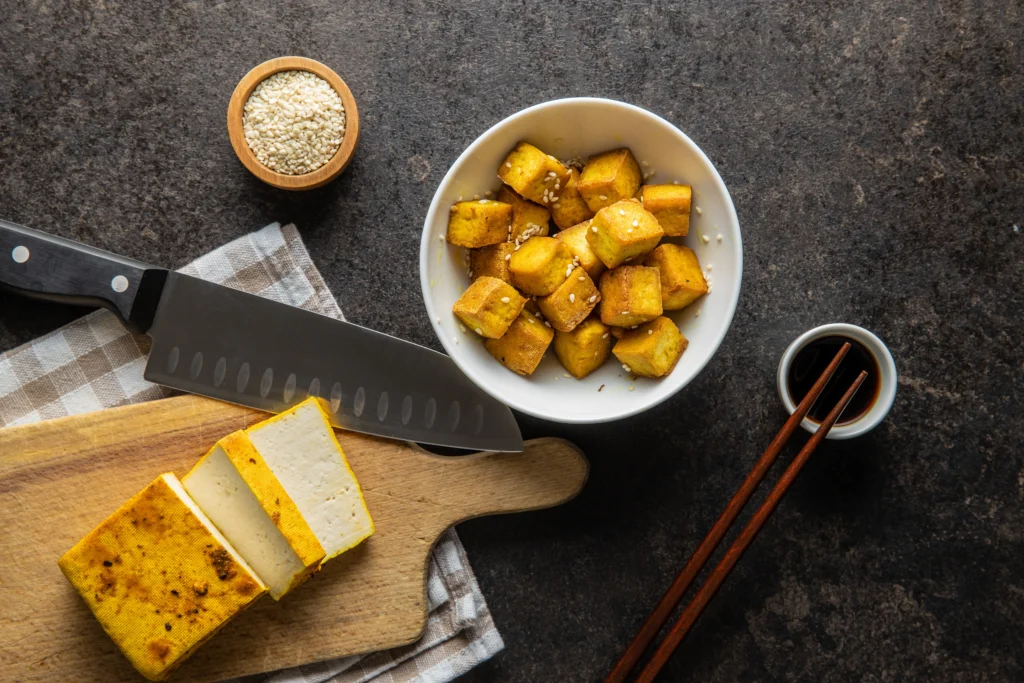
To achieve that crispy, golden tofu texture, it’s essential to press the tofu. Use a tofu press or wrap the tofu block in a clean kitchen towel, placing something heavy on top (like a cast-iron skillet) to press out excess moisture. After pressing, cut the tofu into bite-sized cubes.
Next, marinate the tofu in a mixture of soy sauce, sesame oil, and minced garlic for about 10 minutes to infuse it with flavor. Then, heat a pan over medium heat and sauté the tofu until it’s crispy and golden on all sides. This step adds a savory crunch that pairs perfectly with the other ingredients.
3. Sauté the Vegetables
While the tofu is cooking, it’s time to sauté the vegetables. Start with the carrots and zucchini, cooking them separately in sesame oil until tender and slightly browned. For the spinach, you can either blanch it in boiling water or sauté it lightly until wilted. Set all the vegetables aside once cooked.
4. Assemble the Bibimbap
Now comes the fun part—assembly! In a bowl, layer the warm rice as the base. Then, arrange the crispy tofu, sautéed vegetables, and spinach on top of the rice. Add a spoonful of gochujang (Korean chili paste) in the center for that signature spicy kick. Drizzle a little extra sesame oil on top for richness and flavor.
For an authentic touch, top your Bibimbap with a fried egg. The runny yolk adds a creamy element that complements the crispy tofu and spicy sauce. Finish by garnishing with sesame seeds or even some kimchi on the side for extra zing.
Tips for Perfecting Your Tofu Bibimbap
- Press the Tofu Well: This ensures that your tofu will be crispy, not soggy. Don’t skip this step!
- Customize Your Vegetables: Feel free to swap out vegetables based on what you have on hand or what’s in season. Mushrooms, bell peppers, or even sweet potatoes would work wonderfully in this dish.
- Spicy Level: Adjust the amount of gochujang depending on how spicy you like your food. You can also add extra chili flakes for more heat.
- Add Crunch: Top your Bibimbap with sesame seeds or roasted nuts for a delightful crunch.
- Make It a Meal Prep Option: This recipe is perfect for meal prepping. Simply store the components separately in the fridge and reheat when you’re ready to enjoy.
Frequently Asked Questions (FAQ)
Q: Can I use frozen tofu for this recipe?
Yes, you can use frozen tofu for a firmer texture. Just make sure to thaw it completely and press out any excess moisture.
Q: Is this recipe gluten-free?
It can be! Just make sure to use tamari instead of regular soy sauce to make this dish gluten-free.
Q: What can I add if I want more protein?
If you’re looking for more protein, try adding edamame, quinoa, or even tempeh to your Bibimbap.
Q: Can I make this recipe spicy?
Absolutely! Increase the amount of gochujang for a spicier kick or add fresh chili peppers for extra heat.
Conclusion – Bring Korean Comfort Food to Your Kitchen
There you have it! Easy Korean Tofu Bibimbap is the perfect balance of healthy, flavorful, and satisfying. It’s quick to make, incredibly customizable, and sure to become a favorite in your household. Whether you’re a long-time fan of Korean food or just discovering the joys of Bibimbap, this dish is a must-try.
Next time you’re looking for a quick weeknight dinner or a delicious meal prep option, whip up this Korean Tofu Bibimbap. You’ll enjoy a hearty, nourishing meal that’s packed with flavor, and your taste buds will thank you. Ready to make this dish your own? Grab the ingredients, and start cooking today!
Table of Contents
Korean Soft Tofu Stew (Soon Du Bu Jigae) Recipe (allrecipes.com)
https://labelrecipes.com/keto-friendly-cauliflower-rice-sushi-rolls-healt/