
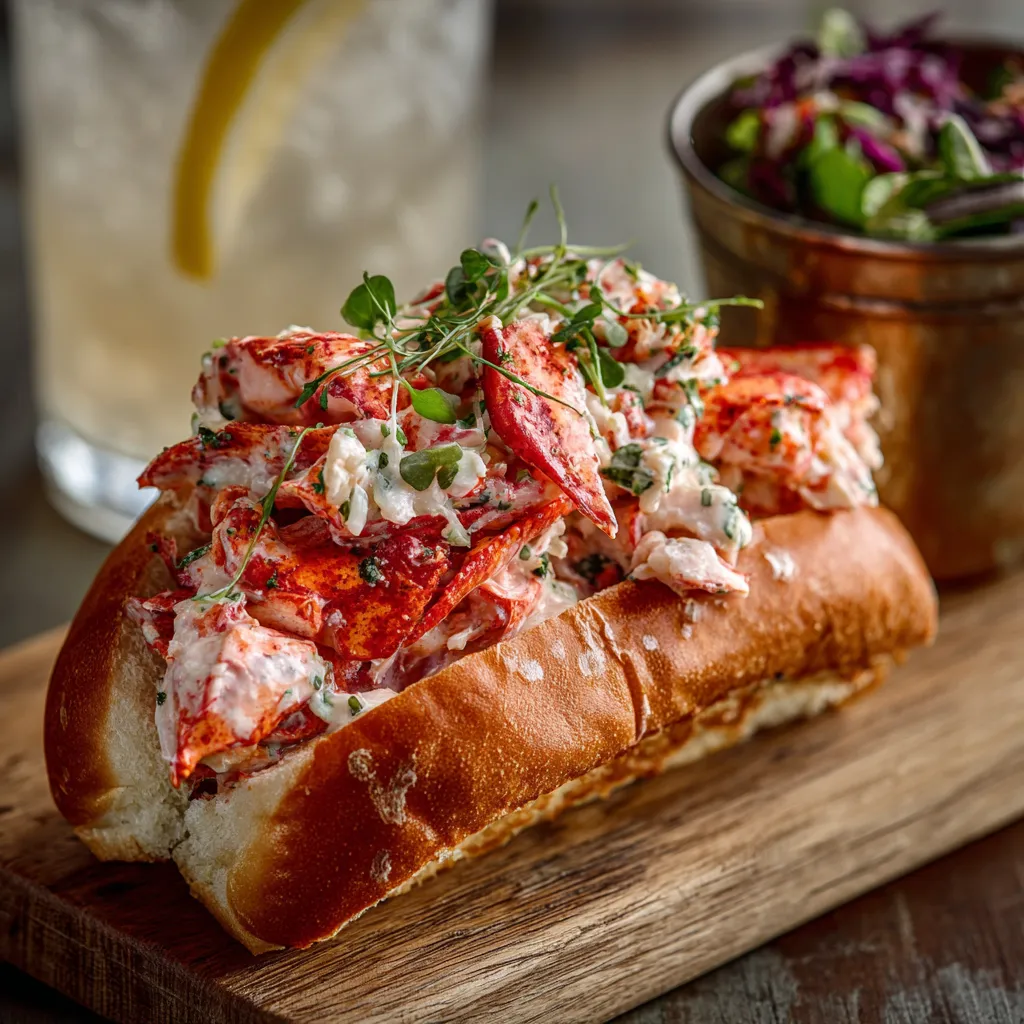
Imagine the soft, buttery crunch of a toasted roll filled with tender, sweet lobster meat. It’s the perfect bite of summer, with the unmistakable flavors of the ocean coming together in harmony. If you’re dreaming of recreating this coastal classic in your own kitchen, you’ve come to the right place. A lobster roll is an iconic dish that transcends the shores of New England and brings the fresh taste of the sea to your table. Whether you prefer it dressed in a rich mayonnaise mixture or served warm with melted butter, the joy of making a lobster roll at home is one you won’t want to miss.
In this guide, we’ll walk you through everything you need to know to prepare a classic lobster roll recipe at home. From selecting the best lobster to mastering the perfect roll, you’ll discover all the tips, tricks, and insights to make your lobster roll just right. So, roll up your sleeves and get ready to bring a taste of coastal elegance to your next meal.
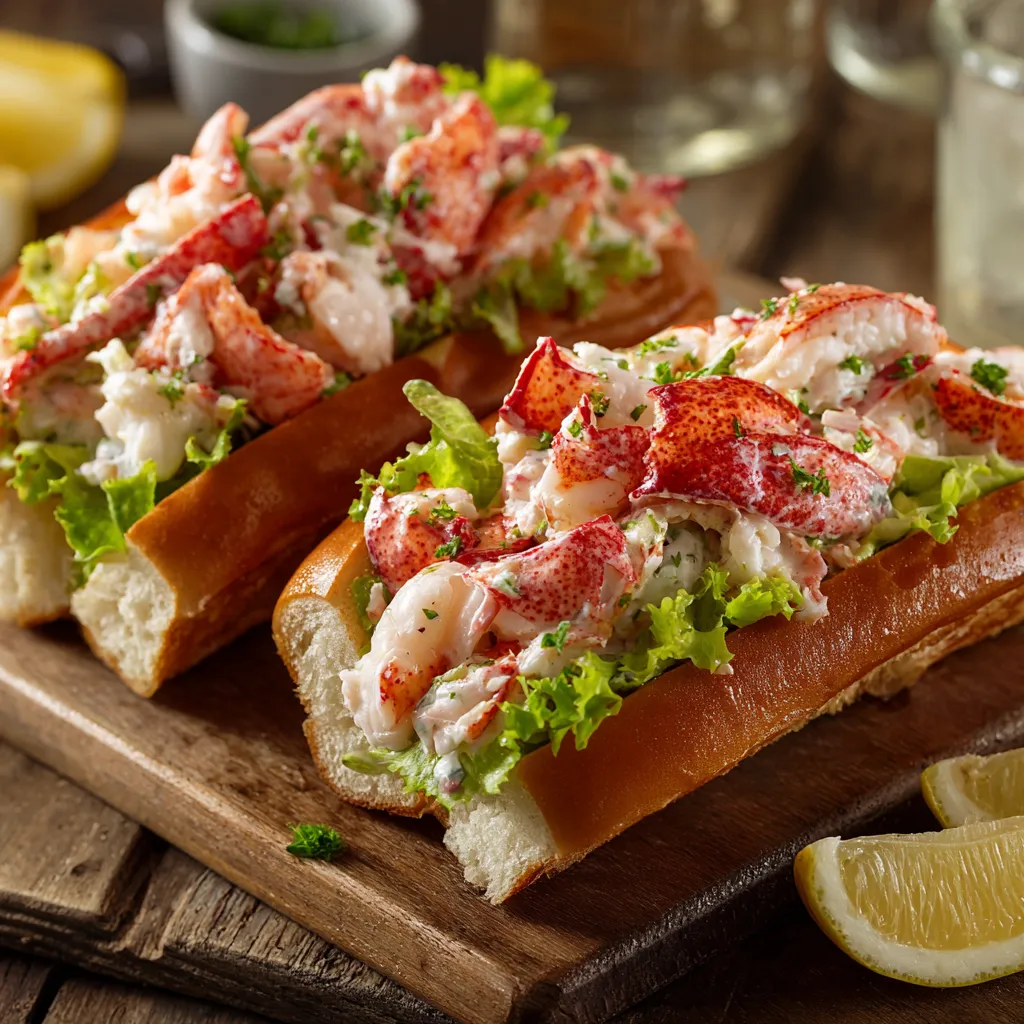
What is a Classic Lobster Roll?
A lobster roll is a simple yet sophisticated sandwich, most commonly associated with the coastal regions of New England, where it has become a staple of summer dining. What makes a classic lobster roll so irresistible? It’s the balance of tender lobster meat, a lightly toasted roll, and the subtle richness of a mayonnaise or butter-based dressing.
While there are variations, the two most popular styles of lobster rolls are Maine-style and Connecticut-style.
Maine-Style Lobster Roll
- Served cold with a light, creamy mayo dressing and a touch of lemon.
- Often includes finely chopped celery for added crunch and flavor.
Connecticut-Style Lobster Roll
- Served warm with melted butter, allowing the lobster to shine without any distractions.
- Simple, rich, and indulgent.
Whether you prefer it cold or warm, the key to a classic lobster roll is high-quality lobster, freshly cooked and treated with the care it deserves.
Why Make Lobster Rolls at Home?
While many associate lobster rolls with seaside shacks and upscale restaurants, there are plenty of reasons why making lobster rolls at home is not only doable but also highly rewarding.
Freshness and Quality You Can Control
When you make lobster rolls yourself, you get to choose the lobster. Freshness is critical for this dish, and while restaurant prices can be steep, preparing it at home ensures the lobster is as fresh as possible. You can also decide how much lobster you want to include in your roll—something that’s often out of your control at restaurants.
More Affordable Than Dining Out
Lobster rolls at restaurants can range from $20 to $50 per serving depending on the location. But with a little know-how, you can make lobster rolls at home for a fraction of the cost. Lobster, while expensive, can be found at seafood markets or even grocery stores, especially during peak lobster season.
Customization at Your Fingertips
When preparing lobster rolls at home, you have the flexibility to adjust the recipe to suit your tastes. Want a richer dressing? Go for more butter. Prefer your lobster roll with a tangy twist? Add extra lemon. The possibilities are endless when you’re in control of the ingredients.
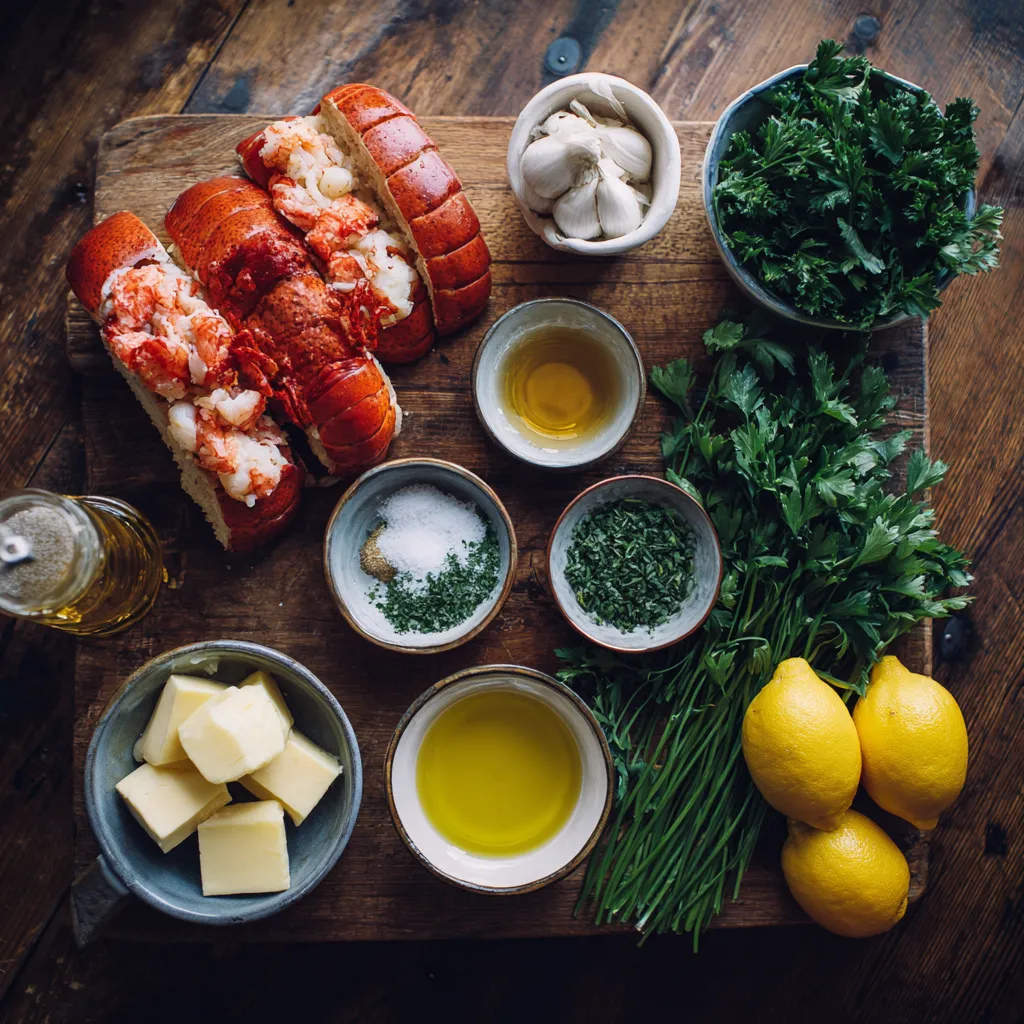
Ingredients You’ll Need for the Perfect Lobster Roll
The beauty of the classic lobster roll recipe is its simplicity. But simplicity doesn’t mean you can skip out on the quality of your ingredients. Let’s look at what you’ll need to create a show-stopping lobster roll at home.
| Ingredient | Amount |
|---|---|
| Fresh Lobster Meat | 1/2 to 3/4 lb per roll |
| Soft Split-top Buns | 1 per roll |
| Mayonnaise or Butter | 2–3 tbsp per roll |
| Celery (optional) | 1–2 tbsp, finely chopped |
| Lemon Juice | 1 tsp |
| Fresh Chives (optional) | 1 tsp, finely chopped |
| Salt & Pepper | To taste |
Fresh Lobster Meat: The Heart of the Dish
To make the best lobster roll, the freshest lobster meat is a must. You have a couple of options for getting lobster: you can buy lobster tails or go for whole lobsters. While lobster tails are easier to handle, using whole lobster often results in a richer flavor. If you do opt for whole lobster, you’ll need to cook it, remove the meat from the shell, and chop it into bite-sized pieces.
The Right Roll for a Lobster Roll
For an authentic lobster roll, you need split-top buns—these are soft rolls with a slight sweetness that perfectly complement the rich lobster. Split-top buns are great because they hold the lobster meat well without getting soggy. You can also use brioche buns for a slightly sweeter, richer experience, or even try traditional hot dog buns if you want a more casual option.
The Dressing: Mayonnaise or Butter?
A lobster roll is only as good as the dressing that holds it all together. For a Maine-style lobster roll, you’ll mix the lobster with mayonnaise, a little lemon juice, and salt and pepper. Some recipes add finely chopped celery for extra crunch and flavor. On the other hand, if you prefer a Connecticut-style lobster roll, you’ll skip the mayo and serve your lobster meat with melted butter—this allows the sweetness of the lobster to truly shine.
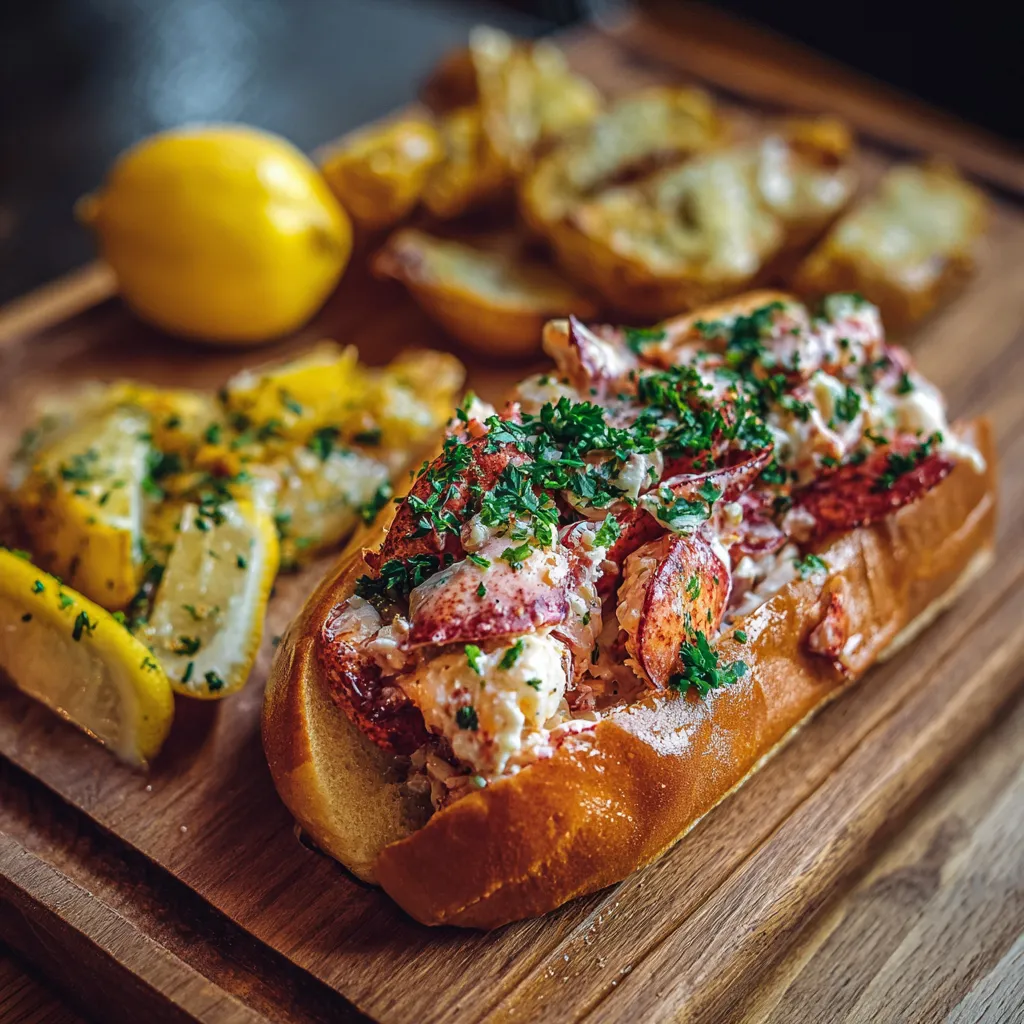
Classic Lobster Roll Recipe: Step-by-Step Instructions
Now that you have all the ingredients, it’s time to roll up your sleeves and get cooking. Here’s your step-by-step guide to making the perfect classic lobster roll recipe.
Step 1 – Prepare the Lobster Meat
- If you’re using whole lobster, bring a large pot of salted water to a boil. Carefully place the lobsters in the pot and cook for 7–10 minutes, depending on the size of the lobster.
- Once cooked, remove the lobster and allow it to cool. Once cool enough to handle, remove the lobster meat from the shells. Dice the meat into bite-sized pieces. If you want a more elegant look, you can keep the chunks larger.
Pro Tip: Be careful not to overcook the lobster. It should be tender, not rubbery, so watch the clock!
Step 2 – Prepare the Dressing
- For a Maine-style lobster roll, combine mayonnaise, lemon juice, salt, and pepper in a bowl. If you’re feeling adventurous, you can also add a touch of Dijon mustard or a dash of hot sauce for extra depth of flavor.
- For a Connecticut-style lobster roll, melt some butter in a saucepan, and add a pinch of salt and some finely chopped herbs (if desired). Keep the butter warm for serving.
Step 3 – Toast the Buns
- Lightly butter the split-top buns and toast them in a skillet over medium heat until golden brown on both sides. The toast should be crisp on the outside but still soft enough to hold the lobster mixture.
Pro Tip: To avoid soggy buns, don’t overload them with lobster filling. Aim for the perfect balance between lobster and bun.
Step 4 – Assemble the Lobster Rolls
- Spoon the lobster mixture generously into the toasted buns. If you’re making a Maine-style lobster roll, spoon the lobster mixed with mayo into the roll. For the Connecticut-style, spoon the warm lobster into the roll and pour over the melted butter.
- Garnish with a squeeze of lemon juice and freshly chopped chives for an extra pop of freshness and color.
Serve immediately, and don’t forget a side of crispy fries or a fresh coleslaw for a truly coastal dining experience!
Tips for the Best Homemade Lobster Roll
To truly elevate your lobster rolls, here are a few key tips that will make all the difference:
- Quality Matters: Always choose fresh, sustainably sourced lobster. Frozen lobster can work, but fresh is always best when it comes to flavor.
- Don’t Overdo the Dressing: The lobster should be the star of the show, so use just enough dressing to enhance the flavor without overwhelming it.
- Experiment with Buns: While split-top rolls are traditional, feel free to try other buns like brioche or hot dog buns to suit your tastes.
- Add Extras for Fun: For an extra pop, try adding a handful of arugula, avocado, or a sprinkle of paprika.
Common Mistakes to Avoid When Making Lobster Rolls
Making lobster rolls is relatively simple, but there are a few common mistakes that can derail your efforts. Here’s what to watch out for:
1. Overcooking the Lobster
- Problem: Overcooked lobster can turn rubbery and tough, ruining the delicate flavor.
- Solution: Be sure to boil or steam lobster for the exact time specified in your recipe to keep it tender.
2. Using the Wrong Type of Bun
- Problem: Dense or overly sweet buns can overshadow the flavor of the lobster.
- Solution: Stick with a soft, slightly sweet split-top roll or brioche for a perfect balance.
3. Overloading the Roll
- Problem: Too much lobster can make the sandwich difficult to eat and cause the bun to fall apart.
- Solution: Fill each roll with just the right amount of lobster to keep things neat and delicious.
FAQs About Lobster Rolls
As you prepare to make your perfect lobster roll, you might have a few lingering questions. Here are some common queries answered to help ensure your lobster roll turns out just right.
Q1: What type of lobster is best for lobster rolls?
- A1: The freshest Maine lobster is ideal for making lobster rolls, known for its sweet, tender meat. If fresh lobster isn’t available, you can use frozen lobster tails, but they should be thawed and handled with care to maintain the best texture.
Q2: Can I make lobster rolls ahead of time?
- A2: While it’s best to assemble lobster rolls right before serving to ensure the buns stay crisp, you can prep the lobster and dressing ahead of time. Store the lobster meat in an airtight container in the fridge and assemble the rolls just before serving.
Q3: Can I use frozen lobster?
- A3: Yes, you can use frozen lobster, but for the best results, make sure to thaw it properly and avoid overcooking it. Fresh lobster will always give you a superior texture and flavor, but frozen lobster can work in a pinch.
Q4: How do I choose the right bun for a lobster roll?
- A4: The key to the perfect lobster roll is the bun. Split-top rolls are traditional and work well because they’re soft yet sturdy enough to hold the lobster. You can also experiment with brioche for a slightly sweeter flavor or hot dog buns for a casual, classic option. Just make sure the bun is soft and not overly dense.
Q5: What drinks pair well with lobster rolls?
- A5: A chilled, crisp white wine like Chardonnay or Sauvignon Blanc pairs beautifully with lobster rolls. Alternatively, a refreshing pilsner or wheat beer can complement the sweetness of the lobster and the richness of the dressing.

Conclusion: Enjoy Your Homemade Lobster Roll
There’s something magical about making a classic lobster roll at home. From selecting the freshest lobster to toasting the perfect bun, the whole process connects you to the traditions of New England’s coastal cuisine. With just a few key ingredients and a bit of attention to detail, you can recreate this iconic dish in your own kitchen, whether you prefer it Maine-style with mayo or Connecticut-style with butter.
The joy of biting into a perfectly balanced lobster roll—crisp on the outside, tender and flavorful on the inside—can be yours anytime you want. You’ll not only savor the sweet, delicate flavor of the lobster, but you’ll also take pride in knowing you’ve created something special from scratch.
So, the next time you’re craving a lobster roll, skip the trip to the restaurant and bring the coastal flavors to your home kitchen. Try out different styles, experiment with seasonings, and most importantly, enjoy every last bite of your homemade lobster roll.
Ready to Get Cooking?
Grab your ingredients, toast those buns, and experience the delight of making your own lobster roll. It’s a delicious adventure that’s just waiting for you to dive in!
Table of Contents
https://labelrecipes.com/fluffy-meringue-recipe-made-at-home/