

There’s a moment in every baker’s journey when you discover the magic of meringue. Maybe it’s that first time you whisk egg whites into soft, glossy peaks, or the way a spoonful of sweet, airy fluff melts on your tongue. If you’ve ever wondered how to make that delicate cloud of sweetness at home, you’re in the right place.
In this guide, you’ll learn everything you need to know about creating a fluffy meringue recipe made at home — from the science behind the texture to step-by-step instructions and pro tips that guarantee success, even if it’s your first time holding a whisk.
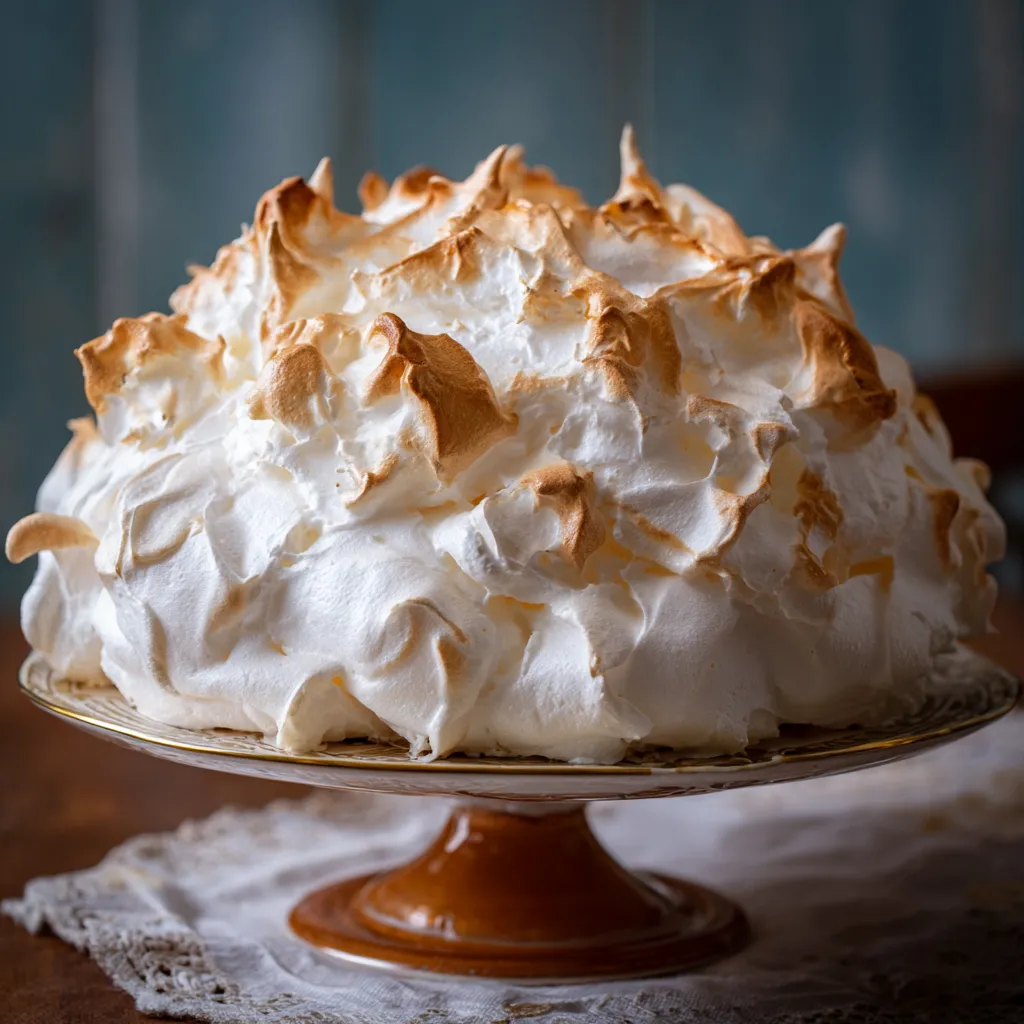
What Is Fluffy Meringue and Why You’ll Love Making It
At its heart, meringue is pure simplicity — just egg whites and sugar transformed into something extraordinary. But that transformation is what makes it so satisfying to master.
When you whip egg whites, you’re capturing air inside tiny protein bubbles. As you add sugar, those bubbles stabilize, turning the mixture into a glossy, marshmallow-like foam. That’s the essence of fluffy meringue — light as air, slightly chewy inside, and beautifully crisp on the outside when baked.
The Science Behind the Fluff
Here’s a quick peek into what happens in your mixing bowl:
- Egg whites contain proteins that stretch and trap air when beaten.
- Sugar helps those bubbles stay firm and prevents deflation.
- Acidic stabilizers like cream of tartar or lemon juice strengthen the foam’s structure.
It’s kitchen chemistry — and once you understand it, you’ll never look at your mixer the same way again.
Types of Meringue You Can Try
You’ll often hear about three main types of meringue. Each one has its charm and purpose:
- French Meringue – The classic method where you beat egg whites and gradually add sugar. Perfect for beginners.
- Swiss Meringue – Egg whites and sugar are gently heated before whipping, creating a smooth, glossy texture.
- Italian Meringue – Hot sugar syrup is poured into whipped egg whites for a silky, stable meringue used in buttercreams and toppings.
For your first attempt, stick with French meringue — simple, satisfying, and nearly foolproof when you follow the right steps.
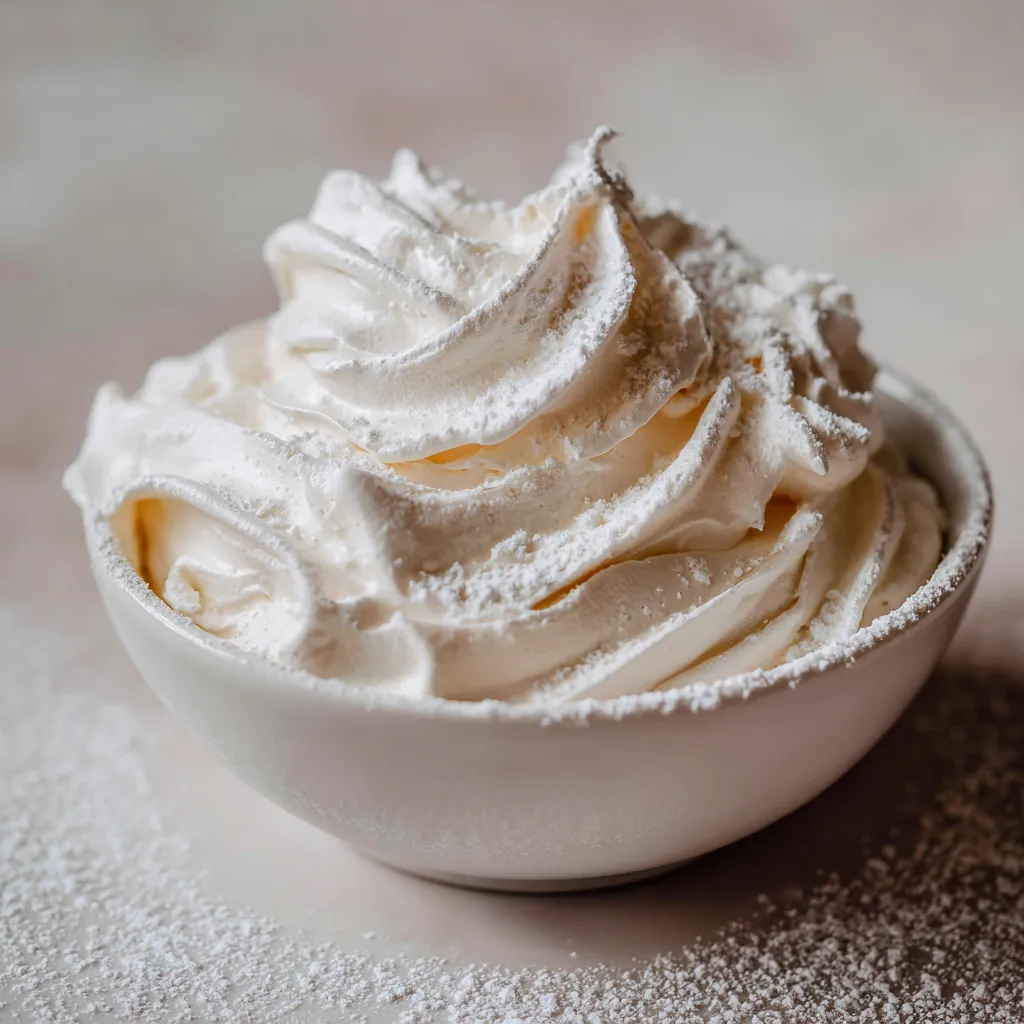
Ingredients for the Perfect Fluffy Meringue
The secret to making meringue isn’t about fancy ingredients — it’s about precision. Just a few simple items can create something extraordinary when measured and handled correctly.
| Ingredient | Amount | Notes / Tips |
|---|---|---|
| Egg whites | 4 large (room temperature) | Room-temp whites whip up higher and faster. |
| Granulated sugar | 1 cup | Use superfine sugar if possible for quicker dissolving. |
| Cream of tartar | 1/2 teaspoon | Helps stabilize the foam. |
| Vanilla extract | 1 teaspoon | Optional, adds sweetness and aroma. |
| Pinch of salt | — | Balances the flavor. |
Tips Before You Begin
- Separate your eggs while they’re cold — yolks are less likely to break.
- Ensure no trace of yolk or grease gets into your whites. Even a drop can prevent peaks from forming.
- Use a clean glass or metal bowl — plastic can hold oil residue.
- Wipe your bowl and whisk with a bit of vinegar or lemon juice to remove any lingering fat.
Step-by-Step Guide: How to Make Fluffy Meringue at Home
Now comes the fun part — turning those simple ingredients into something heavenly. Follow these steps carefully, and you’ll soon have a bowl of pure, airy perfection.
Step 1 – Prepare Your Tools
Before you crack a single egg, make sure everything is spotless. Any trace of fat can sabotage your meringue.
- Use a large, clean mixing bowl (metal or glass).
- Check that your beaters or whisk attachment are dry and grease-free.
- Keep your ingredients ready and measured.
Step 2 – Whip the Egg Whites
- Add the egg whites to your bowl.
- Begin beating on low speed, gradually increasing to medium.
- When the mixture starts to look foamy, sprinkle in the cream of tartar.
- Keep whisking until soft peaks form — when you lift the beaters, the peaks should curl gently at the tips.
Step 3 – Add Sugar Slowly
Now comes the crucial moment.
- With your mixer running on medium speed, add sugar one tablespoon at a time.
- Be patient. Adding it too quickly can cause the meringue to deflate.
- Continue beating until the sugar fully dissolves — rub a little mixture between your fingers; it should feel smooth, not gritty.
Step 4 – Beat to Stiff Peaks
Once all the sugar is in, turn your mixer to high. Watch closely:
- When you lift the whisk, the peaks should stand tall and glossy without drooping.
- Tilt the bowl — the meringue should stay put. That’s how you know you’ve reached perfection.
Step 5 – Bake or Use Immediately
Depending on how you plan to enjoy your meringue:
- For cookies: Pipe or spoon onto a lined baking sheet and bake at 225°F (110°C) for about 1 hour, then let them cool in the oven.
- For pie topping: Spread over your pie filling, ensuring it touches the crust edges to prevent shrinking, then bake until golden brown.
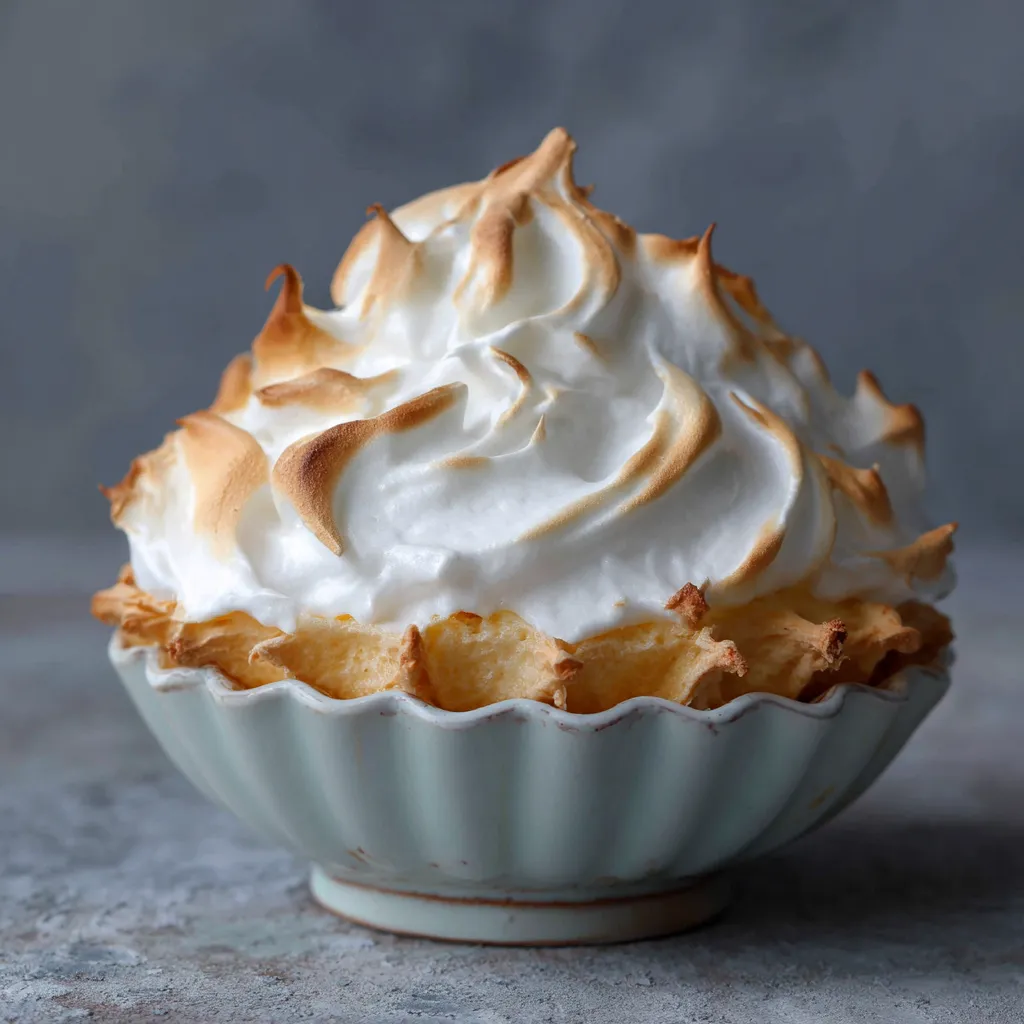
Troubleshooting: Fixing Common Meringue Mistakes
Even the best bakers have a batch that flops once in a while. Don’t worry — every mistake teaches you something. Here’s how to troubleshoot the most common problems.
1. Your Meringue Won’t Stiffen
- Possible cause: Fat or egg yolk got into the whites.
- Fix: Start over with clean tools and fresh egg whites.
2. Your Meringue Weeps or Collapses
- Possible cause: Underbaking or too much humidity.
- Fix: Bake longer at a lower temperature and let it cool gradually inside the oven.
3. It’s Grainy or Gritty
- Possible cause: Sugar wasn’t dissolved completely.
- Fix: Use superfine sugar or warm it slightly before adding.
4. It Turns Brown Too Quickly
- Possible cause: Oven too hot.
- Fix: Reduce temperature and bake longer for a crisp texture.
Expert Tips for the Fluffiest, Glossiest Meringue
Here’s how you can elevate your homemade meringue from good to spectacular:
- Always use room-temperature egg whites — they whip more efficiently.
- Add sugar gradually to avoid deflating the foam.
- Don’t overbeat; stop as soon as stiff peaks form.
- Humidity is meringue’s enemy — avoid making it on a damp day.
- Use a pinch of cornstarch if you want extra stability in your baked meringues.
- Try flavoring with almond extract, lemon zest, or cocoa powder for a twist.
Pro Tip: To make your meringue shine, finish it with a quick blast of heat from a kitchen torch. It adds a light caramelized finish and extra flavor depth.
Serving Ideas for Your Homemade Fluffy Meringue
Once you’ve nailed your meringue, the possibilities are endless. You can use it to decorate, sweeten, or completely transform a dessert.
Here are some delicious ways to use your fluffy meringue:
- Top a lemon meringue pie with generous swirls.
- Make bite-sized meringue kisses for a dainty tea-time treat.
- Layer it with whipped cream and fresh fruit for a classic pavlova.
- Crush baked meringues into a strawberry Eton Mess for a rustic dessert.
- Use it as a topping for hot chocolate or espresso for something unique.
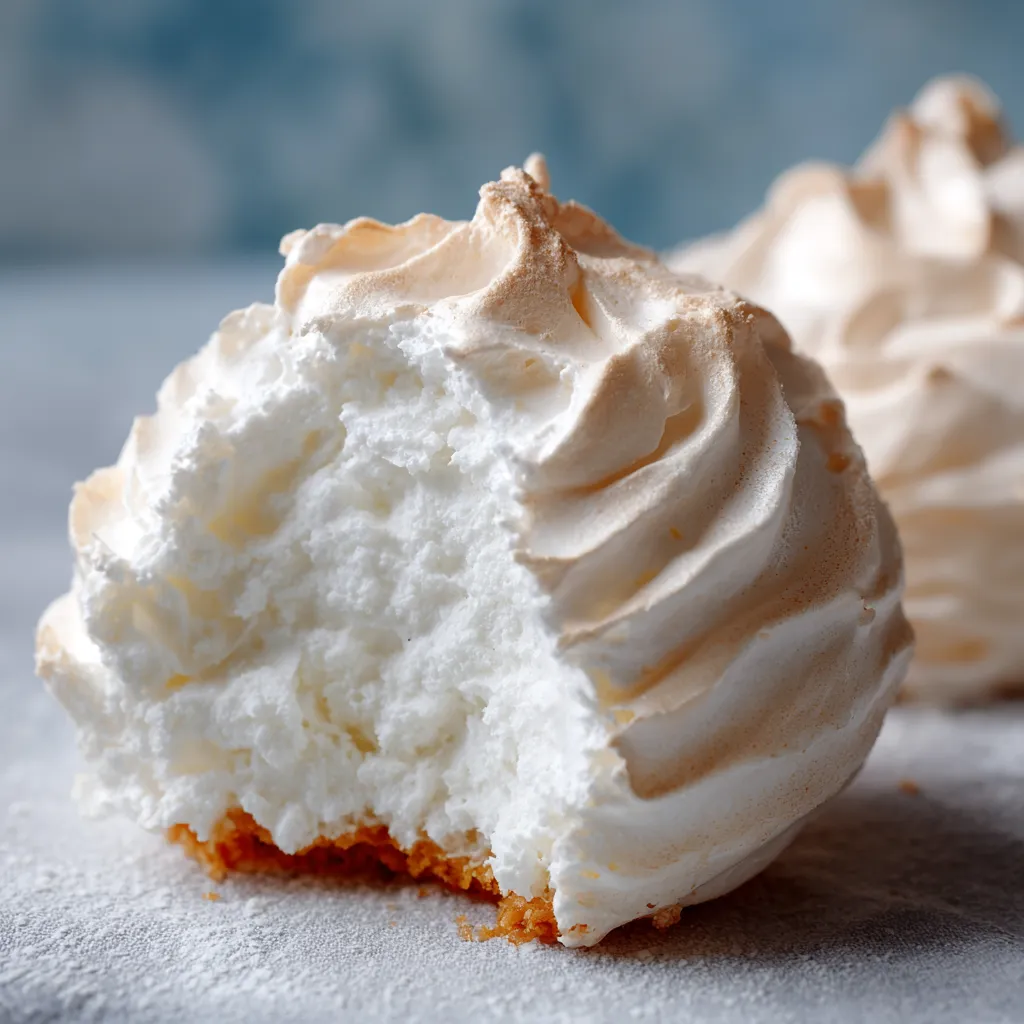
Frequently Asked Questions About Fluffy Meringue
Why Isn’t My Meringue Fluffy?
Usually, the egg whites weren’t beaten long enough, or a bit of fat sneaked in. Always check that your equipment is clean and dry before starting.
Can I Make Meringue Without Cream of Tartar?
Yes! You can replace it with 1/2 teaspoon of lemon juice or vinegar per four egg whites. Both acids help stabilize the foam just as well.
How Do I Store Fluffy Meringue?
Store baked meringues in an airtight container at room temperature for up to two weeks. If you’ve made an uncooked meringue topping, keep it refrigerated and use it within two days.
Can I Use Brown Sugar or Honey?
You can, but it changes the texture and color. Brown sugar makes meringue chewier, while honey adds moisture — not ideal for crisp cookies but great for toppings.
Conclusion: Bring the Clouds to Your Kitchen
Making fluffy meringue at home is more than just another recipe — it’s a baking rite of passage. It teaches you patience, precision, and the joy of transforming the simplest ingredients into something truly elegant.
With this guide in hand, you now have every tool you need to whip up meringue that’s light, glossy, and irresistible. Whether you bake it into delicate cookies, swirl it over pies, or enjoy it straight from the bowl (we won’t tell), you’ll feel a little proud every time you see those perfect peaks hold their shape.
Table of Contents
https://labelrecipes.com/simple-squash-casserole-recipe-for-dinner/