
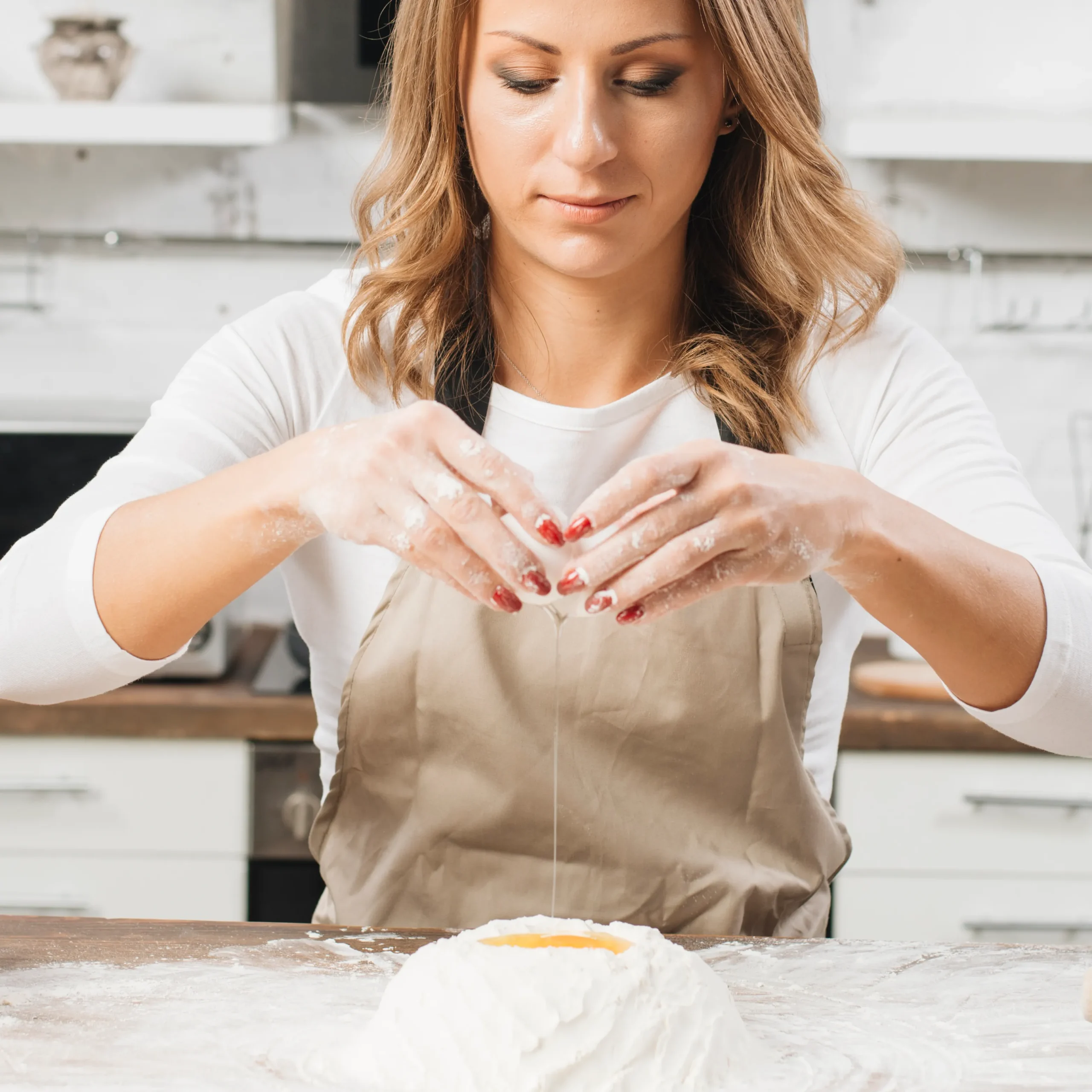
There’s something special about the smell of warm, golden bagels drifting through your kitchen on a lazy morning. That slightly crisp crust, the soft chewy center, the shine from a perfect boil — all signs that you’ve created something beautiful from scratch. Maybe you’ve been buying bagels from your favorite bakery for years, but once you discover how easy it is to make them at home, you’ll never go back.
Homemade bagels aren’t just about saving money or skipping preservatives — they’re about slowing down and enjoying a craft that’s as rewarding as it is delicious. Whether you’re a first-time baker or someone looking to level up your breakfast routine, this guide will walk you through every step of making bagels from scratch.
Why You’ll Love Making Bagels at Home
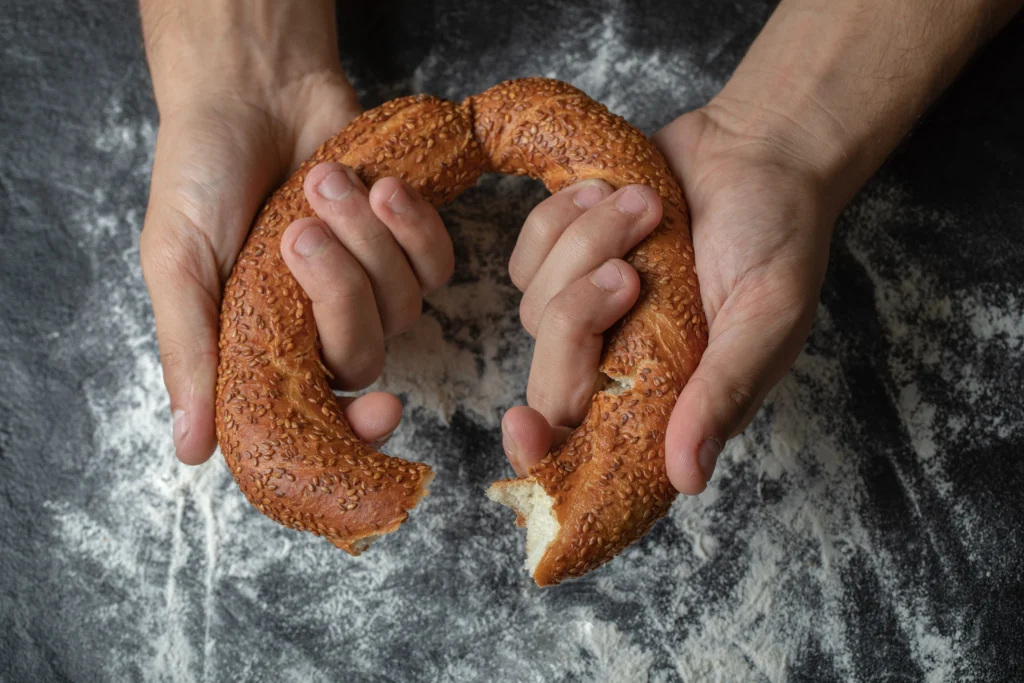
There’s a world of difference between homemade and store-bought bagels. When you make bagels yourself, you get full control over everything — the texture, the toppings, and even the sweetness. You decide what goes in, and what stays out.
Here’s why you’ll fall in love with making your own:
- Unbeatable freshness: Nothing compares to biting into a bagel that just came out of the oven.
- Customization: You can experiment with flavors — sesame, everything, cinnamon raisin, onion, or even chocolate chip.
- No preservatives or artificial ingredients: You know exactly what you’re eating.
- Satisfaction guaranteed: There’s a deep sense of pride that comes from baking your own bread.
Homemade vs. Store-Bought Bagels
| Feature | Homemade Bagels | Store-Bought Bagels |
|---|---|---|
| Taste | Fresh, rich flavor | Often bland or dry |
| Texture | Chewy and golden | Soft or overly dense |
| Ingredients | 100% natural | Preservatives added |
| Cost | Cheaper long-term | Higher per-bagel cost |
| Customization | Unlimited options | Very limited |
Once you make your first batch, you’ll see why bagel lovers everywhere are turning their kitchens into mini bakeries.
What You’ll Need to Make Bagels from Scratch
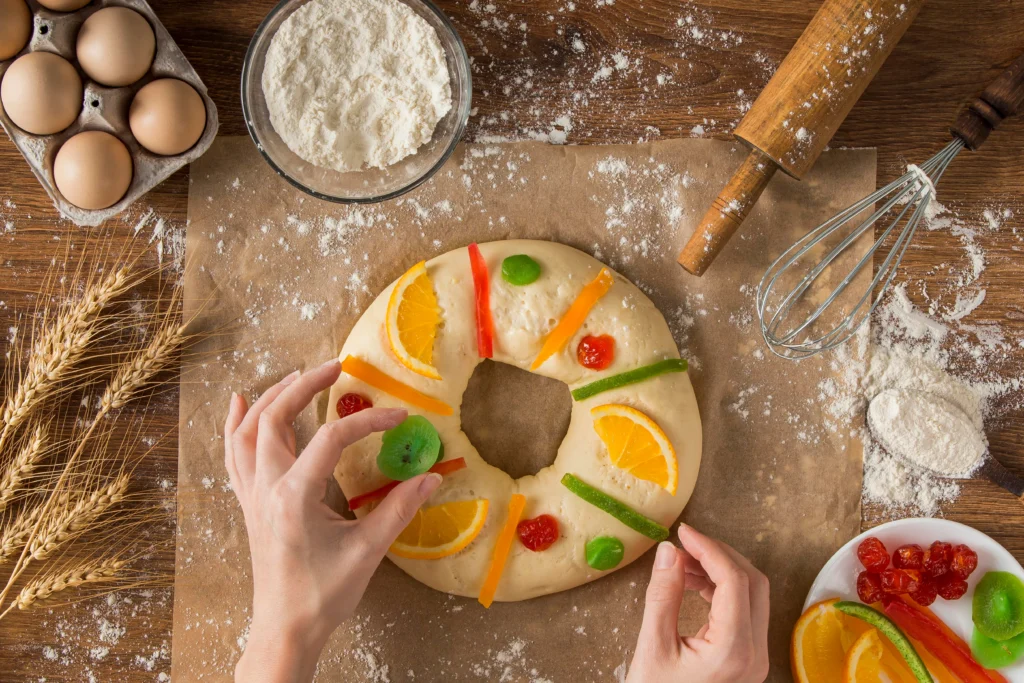
Before diving into the fun part, let’s gather everything you’ll need.
Ingredients
| Ingredient | Quantity | Purpose |
|---|---|---|
| Bread flour | 4 cups | Gives bagels their chewy texture |
| Warm water (about 110°F) | 1 ½ cups | Activates the yeast |
| Instant yeast | 2 ¼ tsp | Helps the dough rise |
| Sugar | 2 tbsp | Feeds yeast and adds light sweetness |
| Salt | 1 ½ tsp | Balances flavor |
| Barley malt syrup or honey | 1 tbsp | Adds shine and flavor to the crust (used in boiling water) |
💡 Tip: If you can’t find barley malt syrup, honey or molasses will do the trick. It helps give bagels that classic bakery shine.
Equipment You’ll Need
- Large mixing bowl
- Stand mixer with dough hook (optional but helpful)
- Baking sheet lined with parchment paper
- Large pot for boiling
- Slotted spoon
- Cooling rack
Now that your setup is ready, let’s move into the exciting part — actually making your bagels.
Step-by-Step Guide: How to Make Bagels from Scratch
Step 1: Activate the Yeast
Start by combining warm water, sugar, and instant yeast in your mixing bowl. Stir gently and let it sit for about 5–10 minutes until it becomes foamy.
That foam is a sign that your yeast is alive and ready to work. If it doesn’t bubble up, your yeast may be expired — start over for best results.
Step 2: Make the Dough
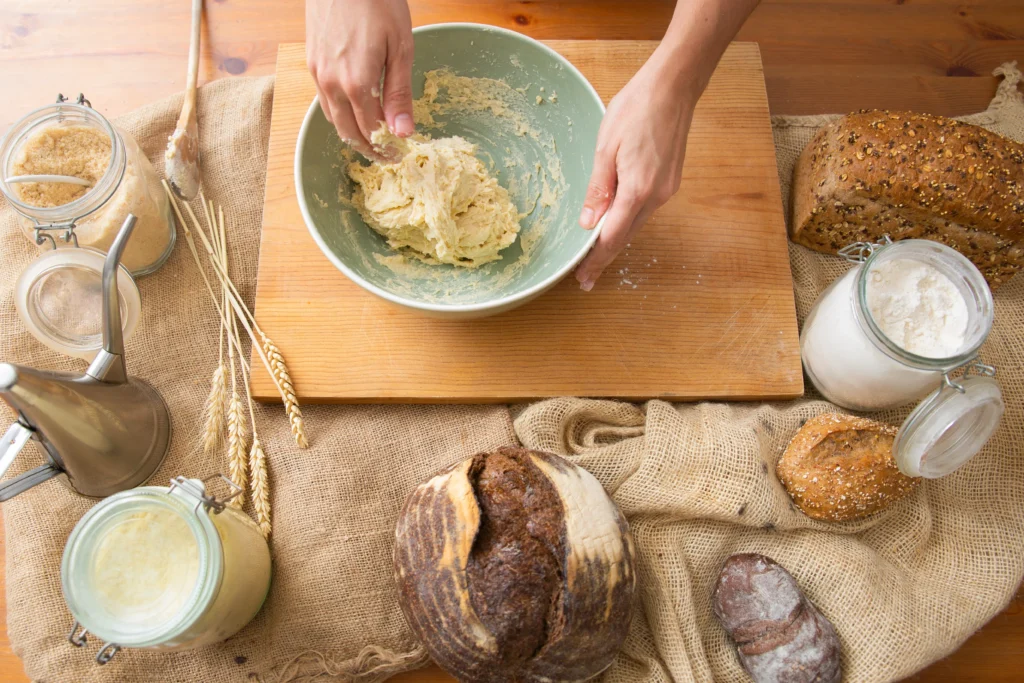
Add your bread flour and salt to the yeast mixture. Mix with a wooden spoon or in a stand mixer on low speed until a rough dough forms.
Then knead for about 8 to 10 minutes — by hand or using a dough hook — until the dough becomes smooth and elastic. The texture should bounce back slightly when pressed.
If the dough feels too dry, add a tablespoon of water at a time. If too sticky, sprinkle a little extra flour.
Step 3: Let the Dough Rise
Form the dough into a ball and place it in a lightly oiled bowl. Cover with a damp towel or plastic wrap and let it rise for about 1 hour, or until it has doubled in size.
For even better flavor, you can slow-proof it in the refrigerator overnight. This allows the yeast to develop a deeper, slightly tangy flavor that resembles professional bakery-style bagels.
Step 4: Shape the Bagels
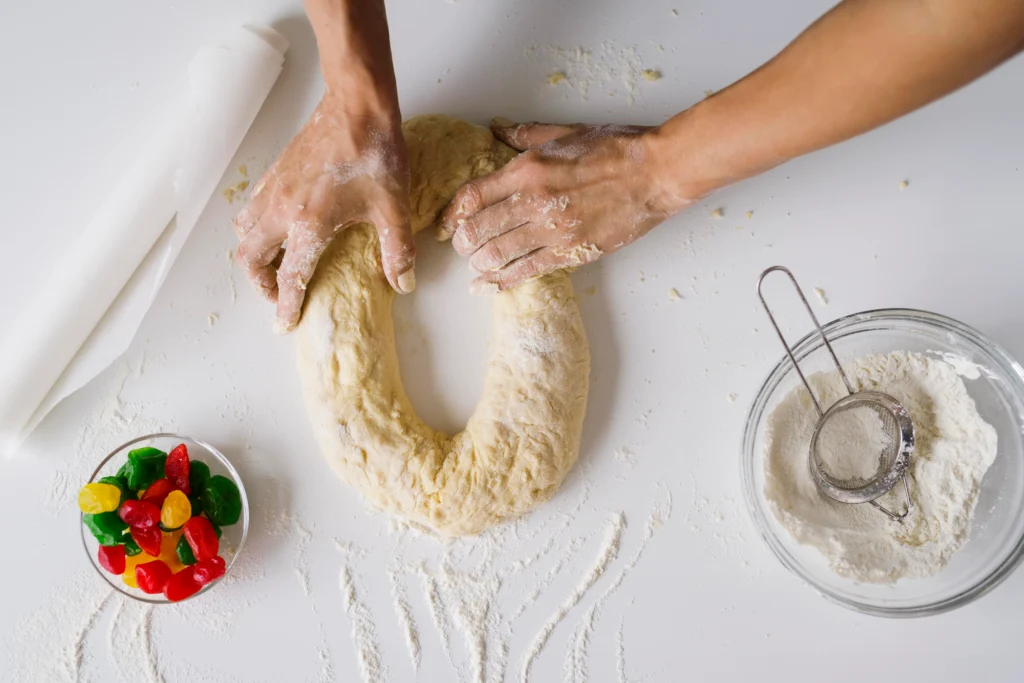
Once the dough has risen, punch it down gently to release excess air. Divide it into 8 equal pieces (a kitchen scale helps keep them even).
Roll each piece into a smooth ball. To shape them:
- Poke your thumb through the center to form a hole.
- Gently stretch the hole to about 1.5–2 inches wide.
Alternatively, you can roll each piece into a rope and join the ends — but the poke method tends to give a more classic look.
Step 5: Boil the Bagels
This is the step that gives bagels their signature chewy crust.
Bring a large pot of water to a gentle boil and add 1 tablespoon of barley malt syrup or honey.
Drop 2–3 bagels at a time into the water. Boil for 30 to 60 seconds per side — less time for a lighter texture, more time for chewier bagels.
Use a slotted spoon to remove them and place them on a parchment-lined baking sheet.
Step 6: Add Toppings
While the bagels are still wet from boiling, sprinkle your favorite toppings on top:
- Sesame seeds
- Poppy seeds
- Minced garlic or onion flakes
- Everything bagel seasoning
- Cheese or cinnamon sugar
The moisture helps the toppings stick beautifully.
Step 7: Bake to Perfection
Preheat your oven to 425°F (220°C). Bake the bagels for 20–25 minutes, rotating halfway through, until they’re golden brown and slightly crisp on the outside.
Cool them on a wire rack for at least 15 minutes before slicing. (We know it’s tempting, but trust us — it’s worth the wait!)
Tips for Perfect Homemade Bagels
You’re already halfway to becoming a bagel master, but these extra tips will take your baking to the next level.
Expert Tips
- Use bread flour: It has higher protein content, which gives bagels their signature chew.
- Don’t skip boiling: This is what creates that shiny crust and chewy texture.
- Let them cool completely: Cutting too soon can make the inside gummy.
- Experiment with fermentation: A slow rise in the fridge creates more complex flavors.
- Steam helps: Placing a pan of hot water in the oven while baking improves the crust.
Common Mistakes to Avoid
- Using all-purpose flour: Results in soft, bread-like bagels.
- Overproofing the dough: Leads to flat, dense bagels.
- Skipping the topping step: If you add toppings too late, they won’t stick.
- Overcrowding the pot: Boil in small batches for even cooking.
Fun Variations of Homemade Bagels
Once you’ve mastered the classic version, the possibilities are endless. Here are a few fun ways to switch things up:
- Everything Bagels: Mix sesame, poppy seeds, dried garlic, onion, and sea salt.
- Cinnamon Raisin Bagels: Add raisins and 1 teaspoon of cinnamon to the dough.
- Cheddar Jalapeño Bagels: Sprinkle shredded cheese and sliced jalapeños before baking.
- Whole Wheat Bagels: Replace half the bread flour with whole wheat for a nutty flavor.
- Blueberry Bagels: Fold in fresh or dried blueberries and a dash of vanilla extract.
Bagels aren’t just for breakfast either — they make perfect sandwiches, mini pizzas, and even dessert bases with cream cheese and fruit.
Storing and Freezing Homemade Bagels
You worked hard to make them, so here’s how to keep them fresh.
- Room Temperature: Store in an airtight container or paper bag for up to 3 days.
- Freezing: Slice bagels in half and store them in freezer-safe bags for up to 3 months.
- Reheating: Toast directly from frozen — no need to thaw.
Pro Tip: To bring back that “just baked” texture, sprinkle a few drops of water on frozen bagels before toasting.
Frequently Asked Questions (FAQ)
Can I make bagels without a stand mixer?
Yes! While a mixer saves time, kneading by hand works just as well. Aim for about 10 minutes of kneading until the dough feels elastic and smooth.
Why do bagels need to be boiled before baking?
Boiling is key to their texture. It gelatinizes the outer starch, giving bagels their glossy crust and chewy bite. Skipping this step makes them more like regular bread rolls.
Can I make gluten-free bagels?
Absolutely. Use a high-quality gluten-free bread flour blend. The texture will differ slightly, but they can still be soft and flavorful.
What’s the best flour for making bagels?
Always go for bread flour. Its higher protein content (around 12–14%) gives your bagels that chewy, bakery-style consistency.
Can I make bagels without yeast?
You can, but the texture won’t be the same. Baking powder or soda can help them rise slightly, but true bagels rely on yeast for flavor and structure.
Conclusion: The Joy of Making Bagels from Scratch
By now, you’ve learned every step of how to make bagels from scratch — from mixing and shaping to boiling and baking. But beyond the recipe, there’s something deeply satisfying about the process itself. You’ve transformed a handful of basic ingredients into golden, chewy rings of comfort.
Whether you’re spreading cream cheese on a warm plain bagel, making an egg sandwich, or gifting a batch to a friend, you’re sharing a piece of care and creativity. That’s what homemade food is all about.
So, roll up your sleeves and give it a try. Your kitchen is about to smell incredible — and once you’ve tasted your first homemade bagel, you’ll wonder why you ever bought them pre-made.
Table of Contents
https://labelrecipes.com/baked-chipotle-chicken-recipe-healthier-juicier/